By The Cheryl Grant Real Estate Team
Grand Rapids investment conversations often start with neighborhood nuance, since rental demand and resale strength can shift quickly between Heritage Hill’s historic homes, Eastown’s walkable blocks, and newer condo pockets near Downtown and the Medical Mile. The city’s riverfront layout, major employers near Michigan Street, and steady event calendar around Van Andel Arena help shape where tenants want to live and how properties lease.
This guide breaks down investing in real estate in Grand Rapids MI with a clear framework for property selection, underwriting, and long-term positioning.
Key Takeaways
- Neighborhood fit: Demand varies block by block
- Property type: Duplexes, condos, and small multifamily
- Numbers first: Rents, reserves, and capex planning
- Exit plan: Refinance, hold, or resale strategy
Why Grand Rapids Works for Long-Term Real Estate Investment
Grand Rapids supports investment plans through diversified employment, an active Downtown core, and neighborhood districts that attract renters who want walkability and character.
Local demand drivers we watch closely
- Medical Mile energy: Tenant demand tied to Michigan Street institutions and hospital shifts
- Downtown employers: Office and hospitality routines near Monroe Center and Bridge Street
- Event traffic: Games and concerts around Van Andel Arena and DeVos Place
- Lifestyle districts: Dining and coffee hubs like Eastown and Cherry Street
Neighborhoods and Micro-Markets That Investors Compare First
Grand Rapids neighborhoods behave like distinct micro-markets, so a strong plan starts by matching the property to the type of tenant and the type of rental experience you want to provide.
Micro-areas we evaluate in every search
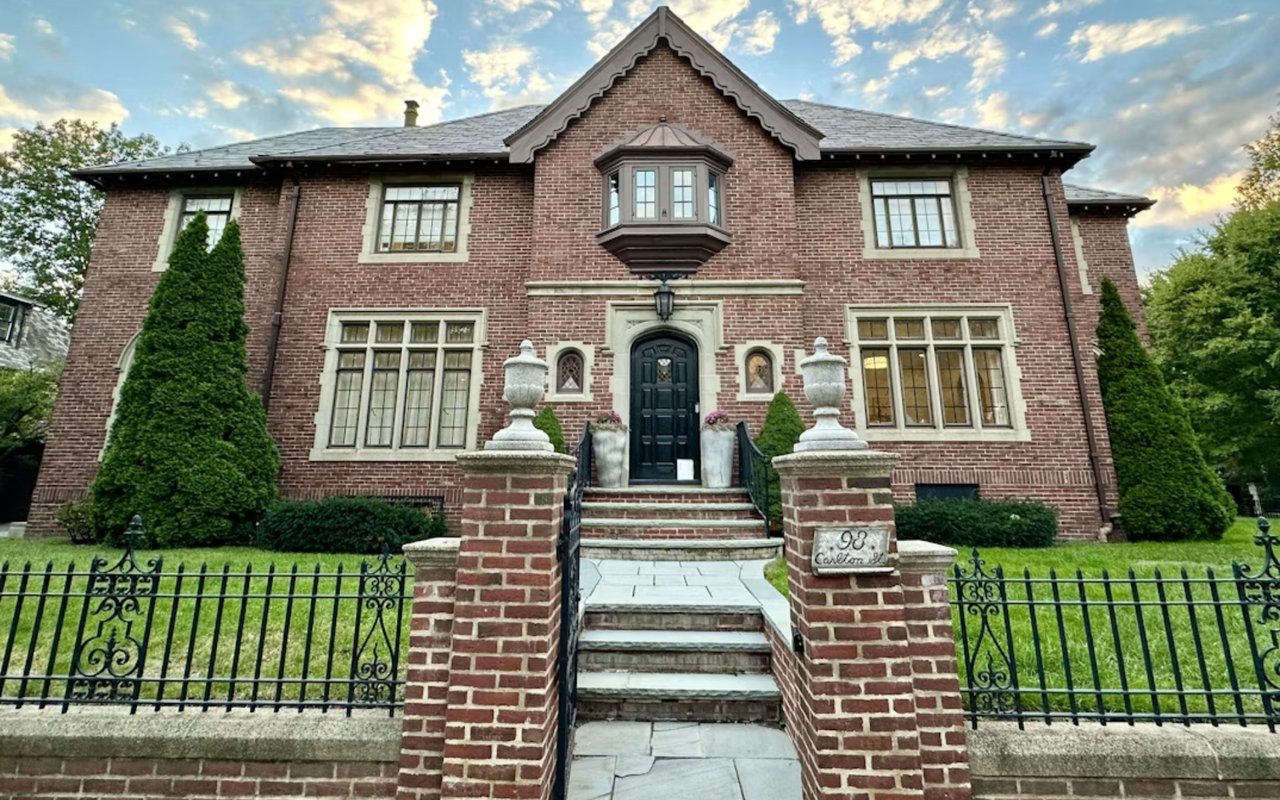
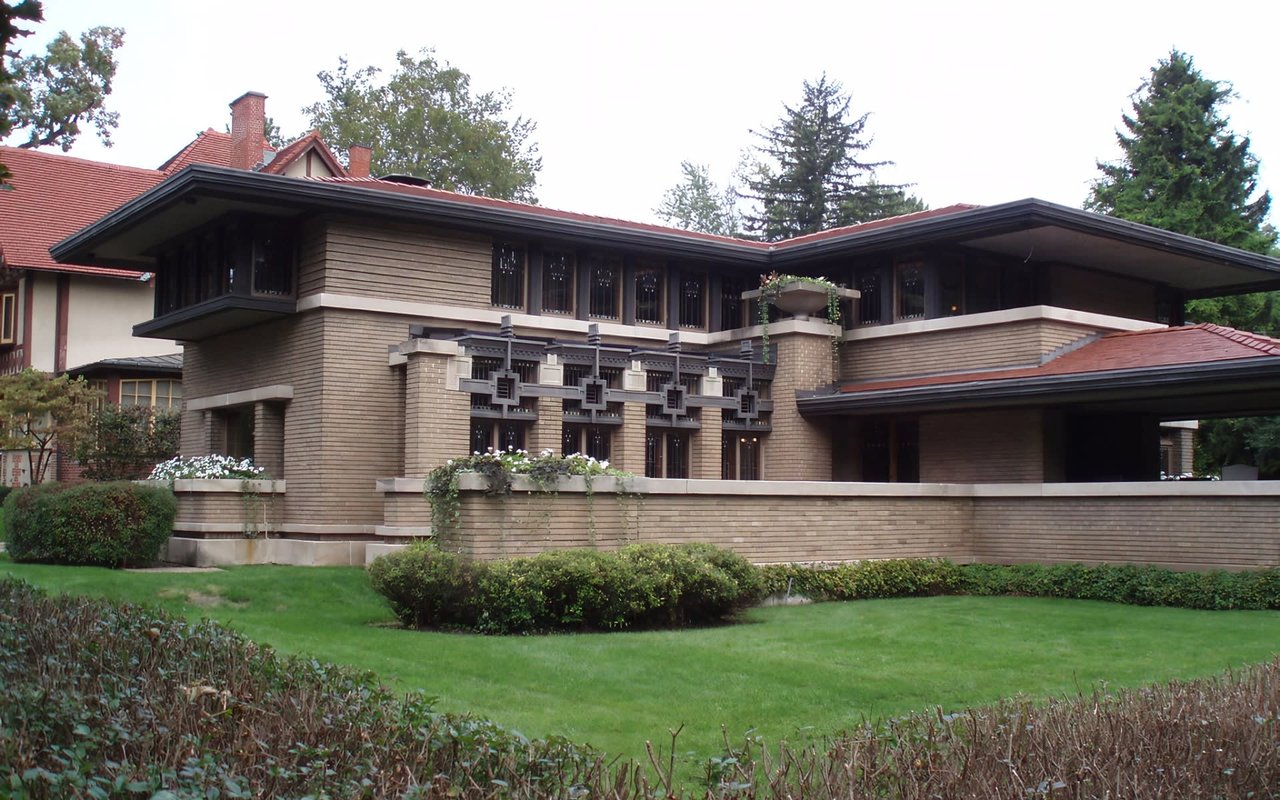
- Heritage Hill: Historic homes and duplex inventory with strong character appeal
- Eastown: Walkable streets near restaurants and local shops
- Creston: Residential blocks with quick access to Plainfield Avenue corridors
- West Side: Bridge Street access and newer build options close to Downtown
Property Types That Perform Best in Grand Rapids
The strongest investment fit depends on whether the goal is stable rental demand, lower maintenance, or renovation upside.
How we match property type to investment goals
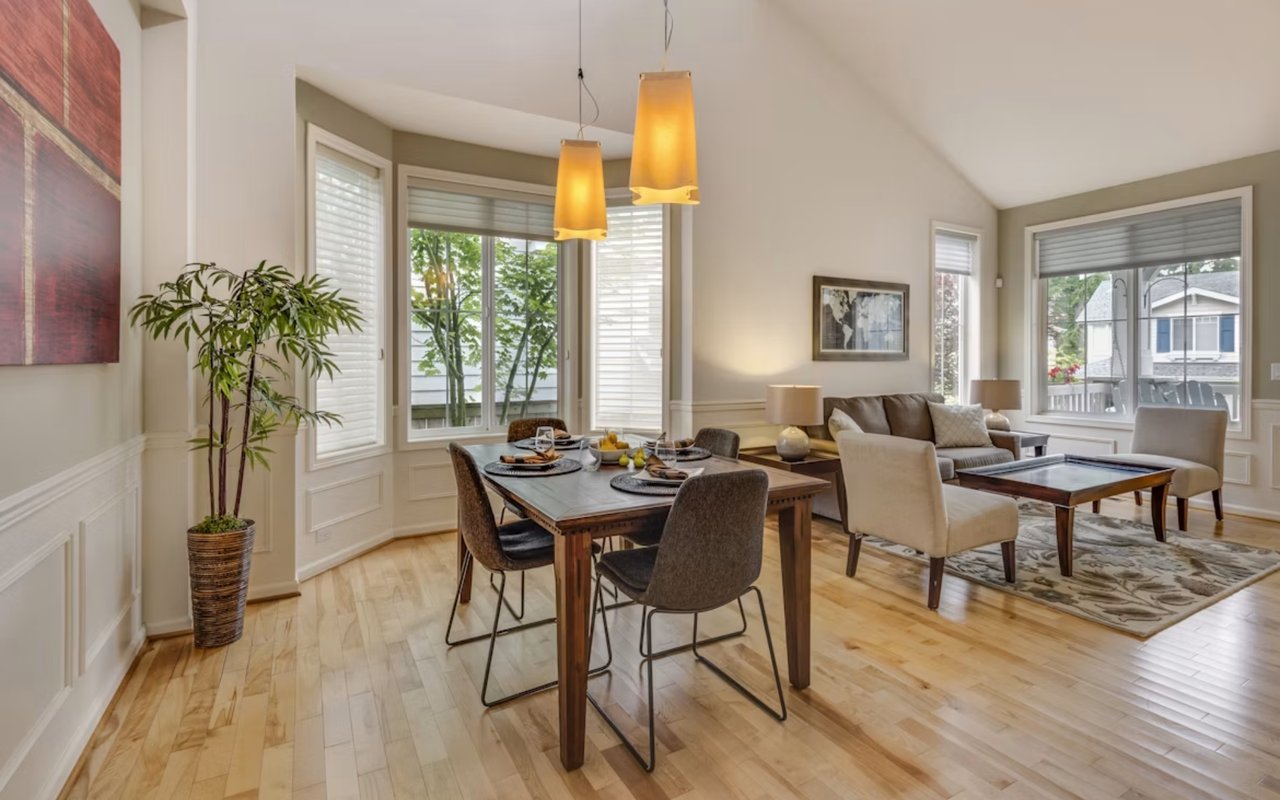
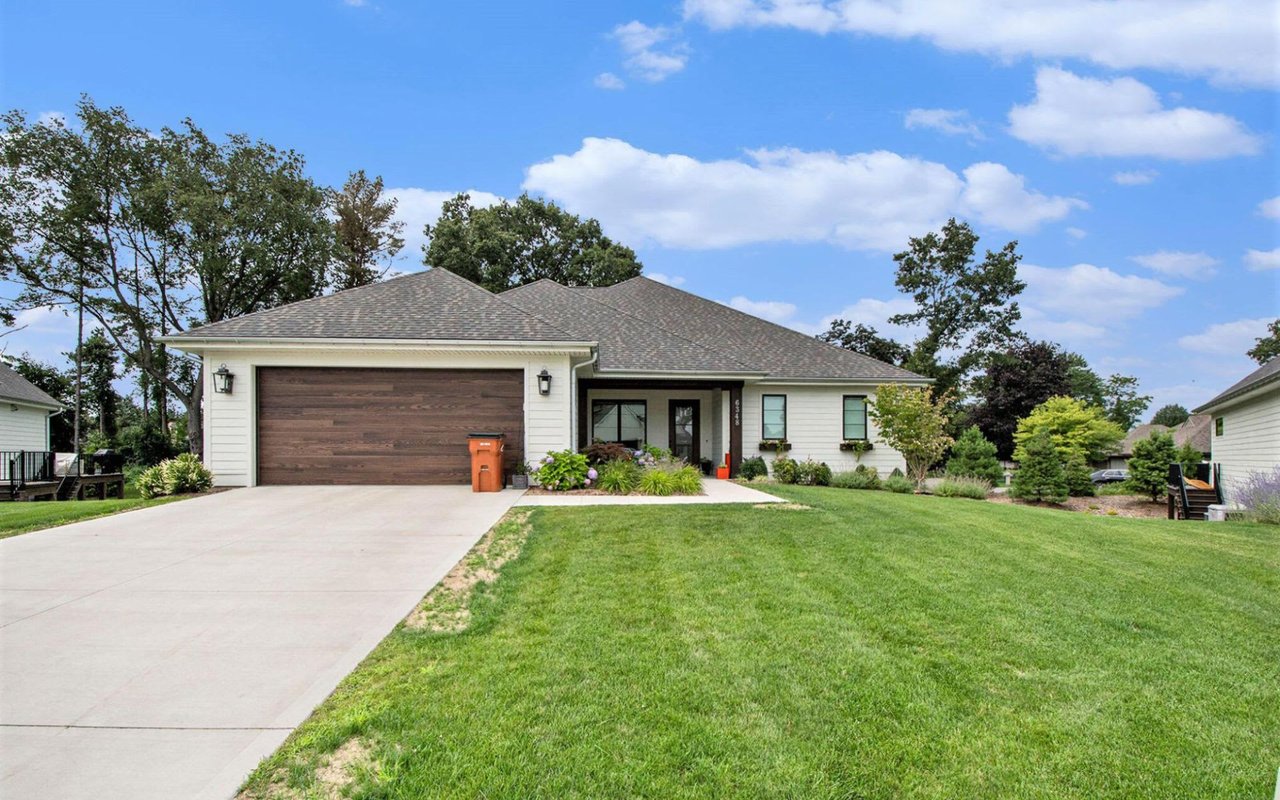
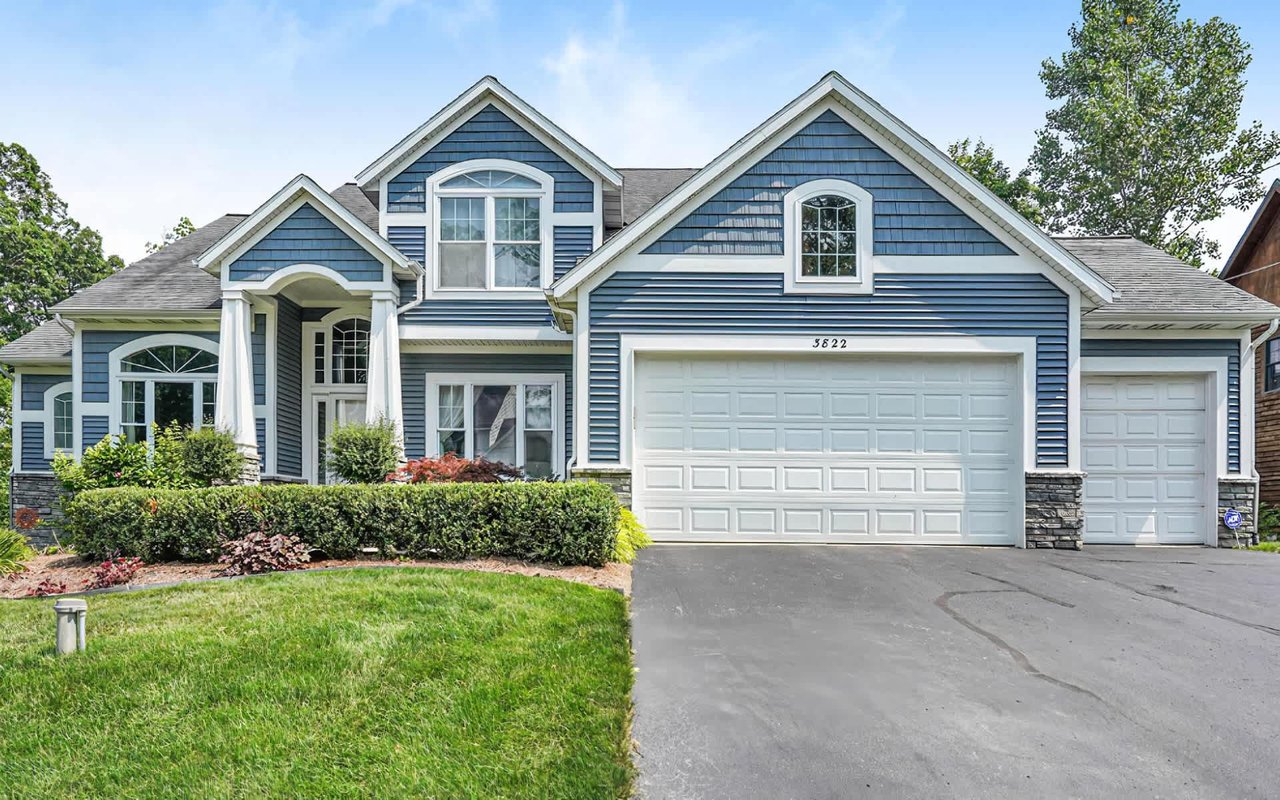
- Duplexes: Flexible unit mix for steady demand and long-term hold strategies
- Small multifamily: Scalable income with shared systems and larger rent rolls
- Condos: Lower exterior maintenance with building rules that require careful review
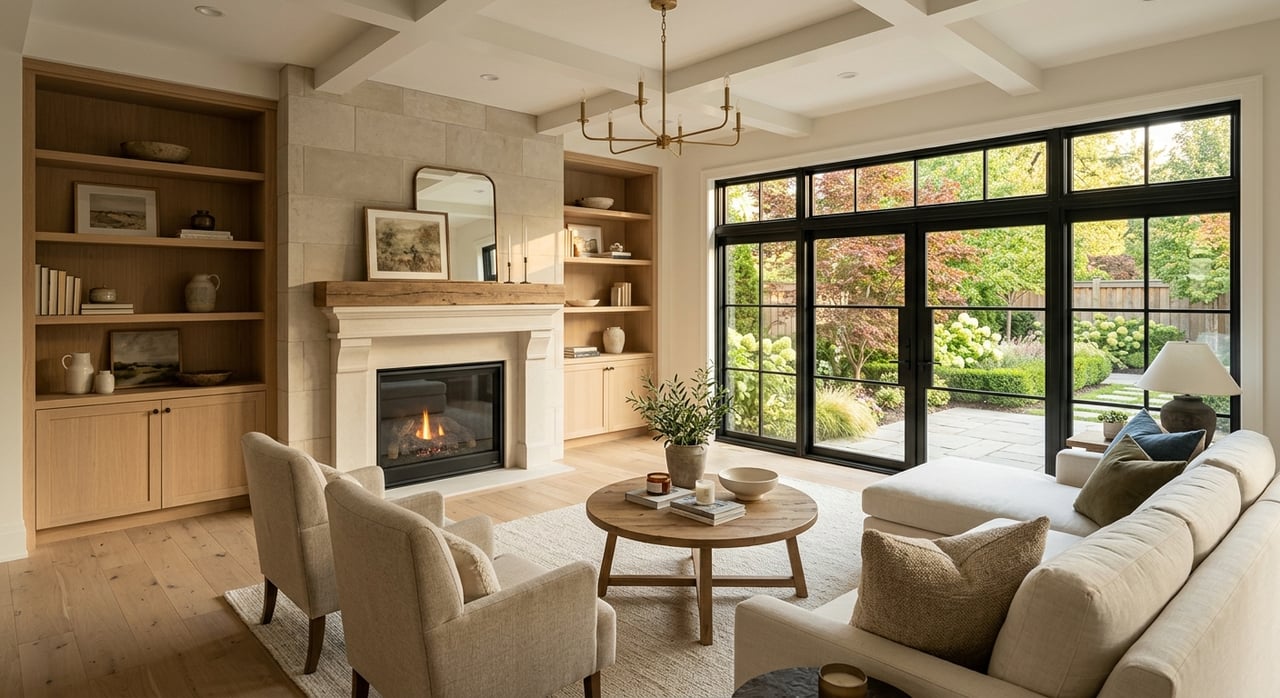
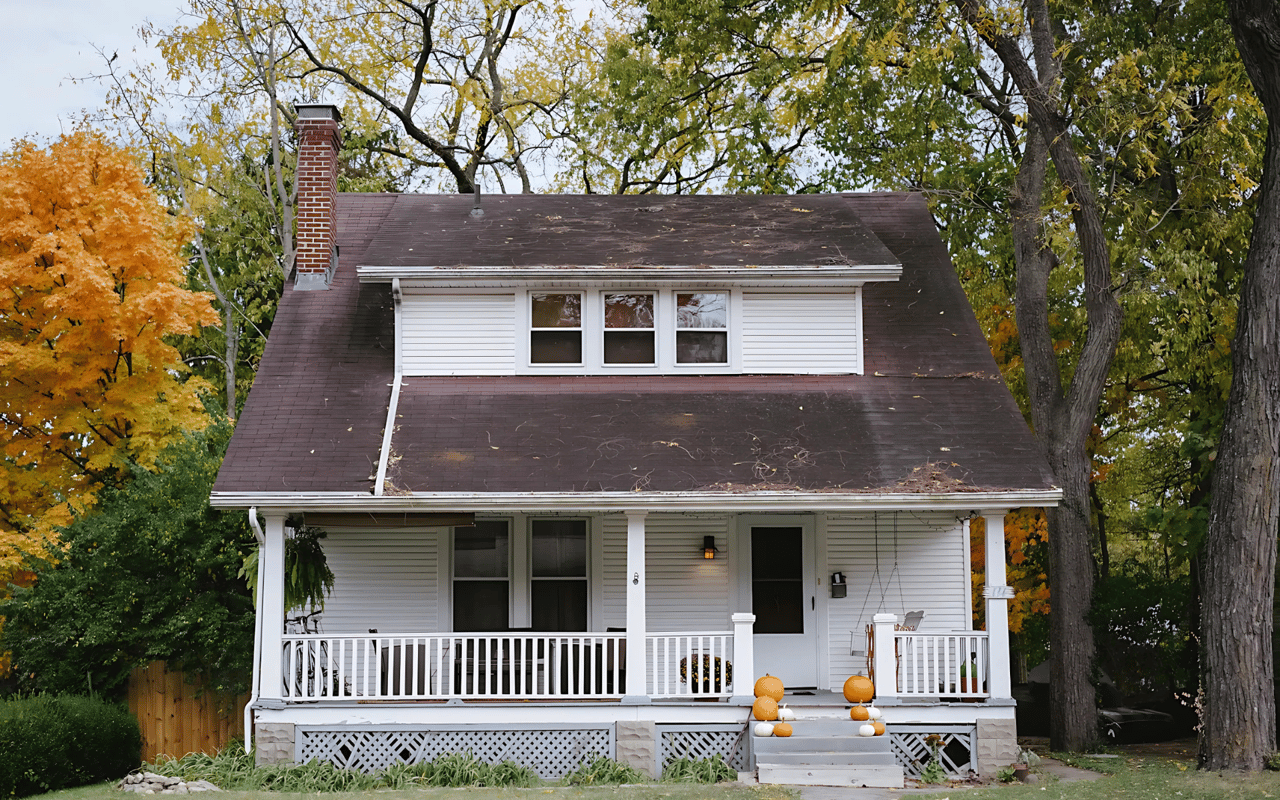
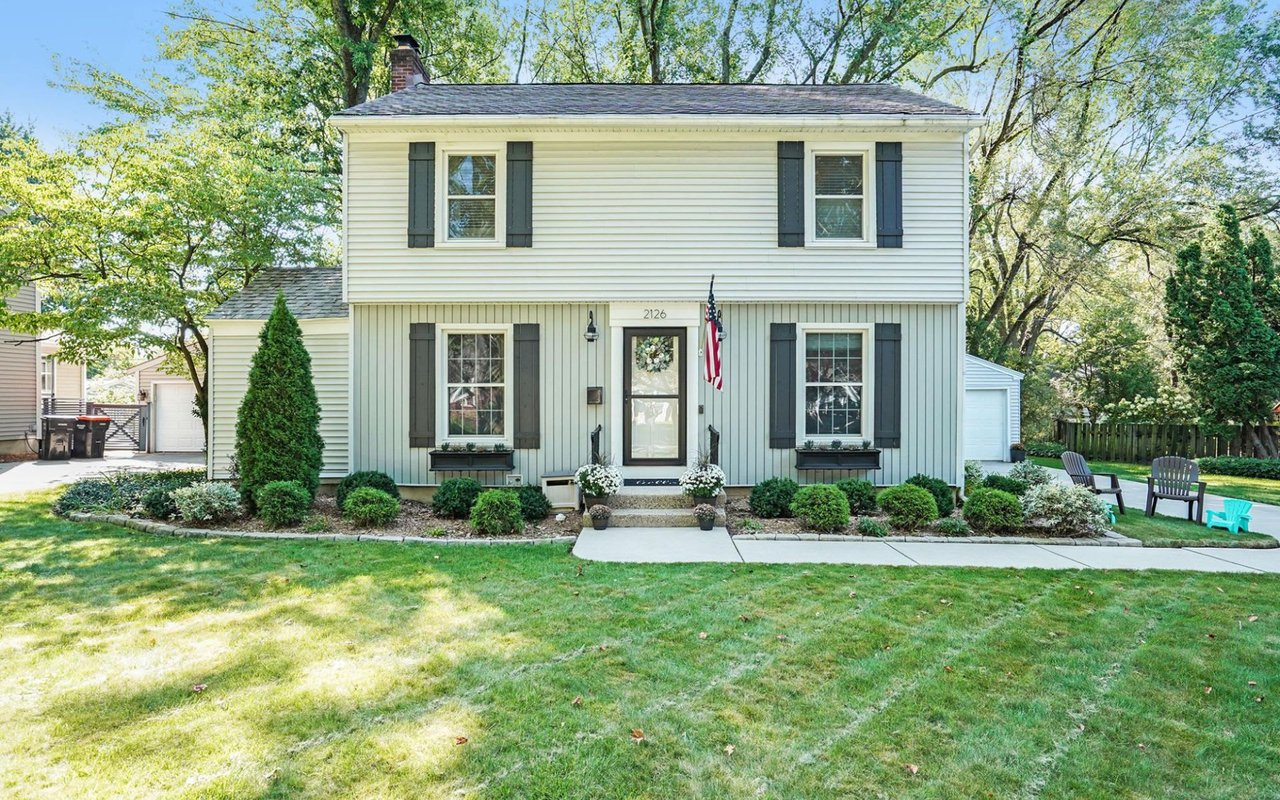
- Single-family rentals: Strong tenant demand in neighborhood pockets with easy access routes
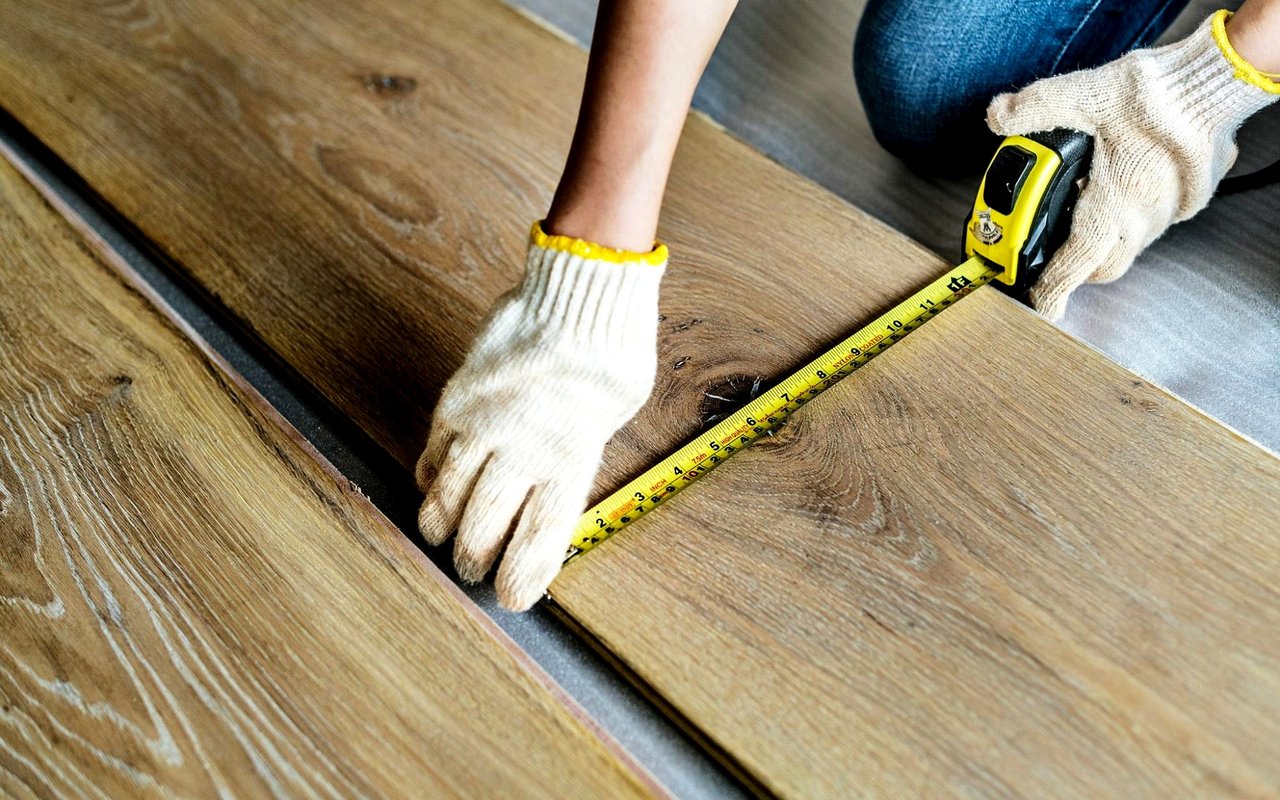
Renovation Strategy for Rental and Resale Performance
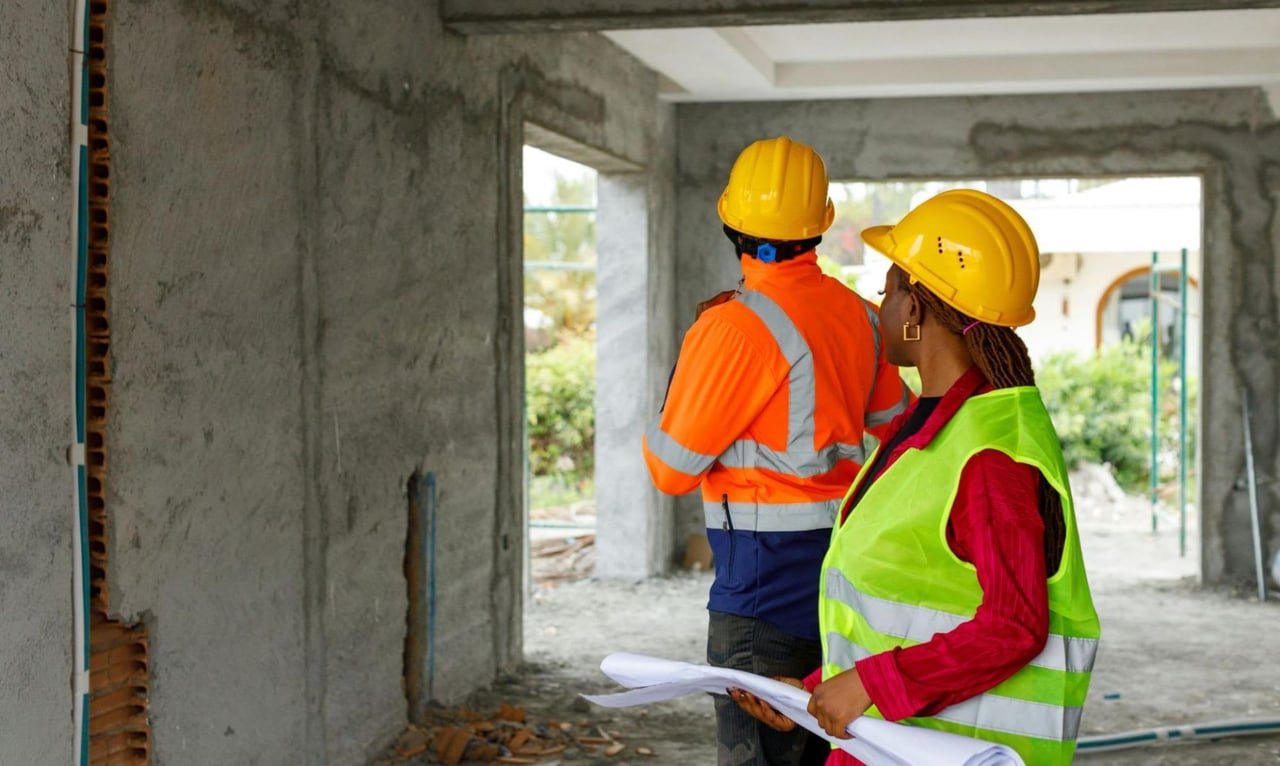
Renovations work best when they focus on durable finishes and tenant-friendly layouts rather than trend-only upgrades.
Upgrades that tend to pay off in local rentals
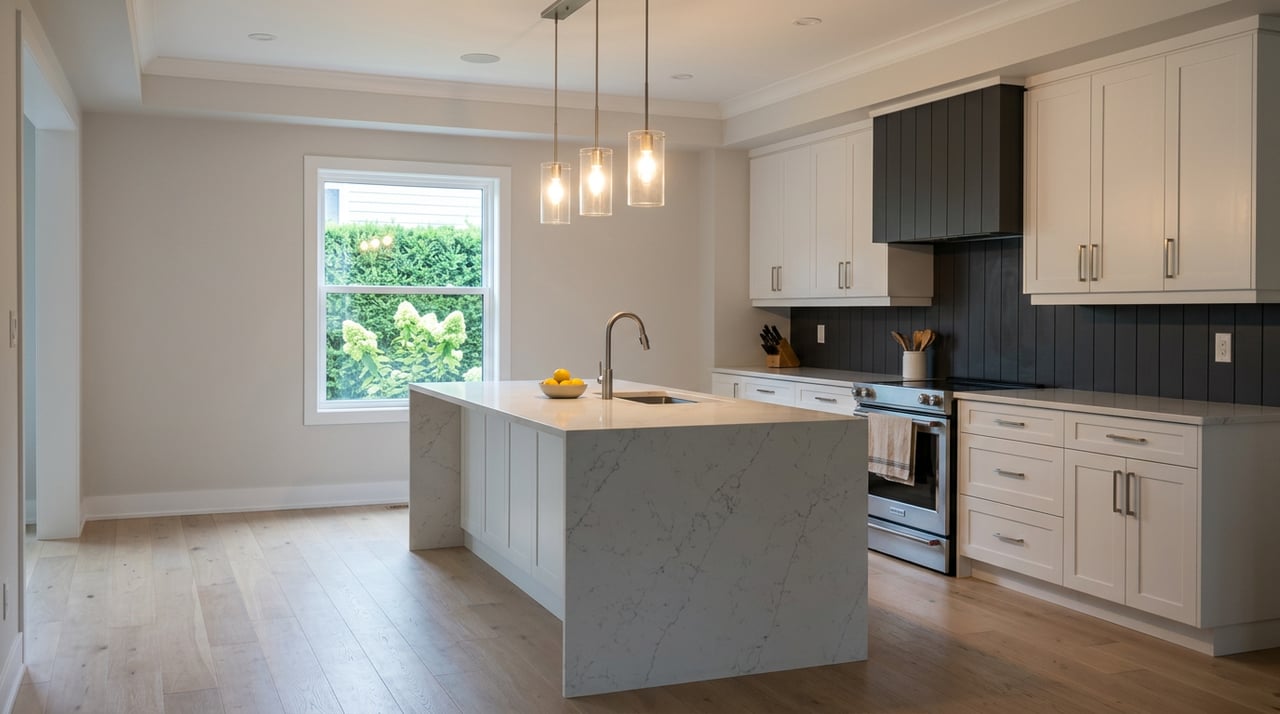
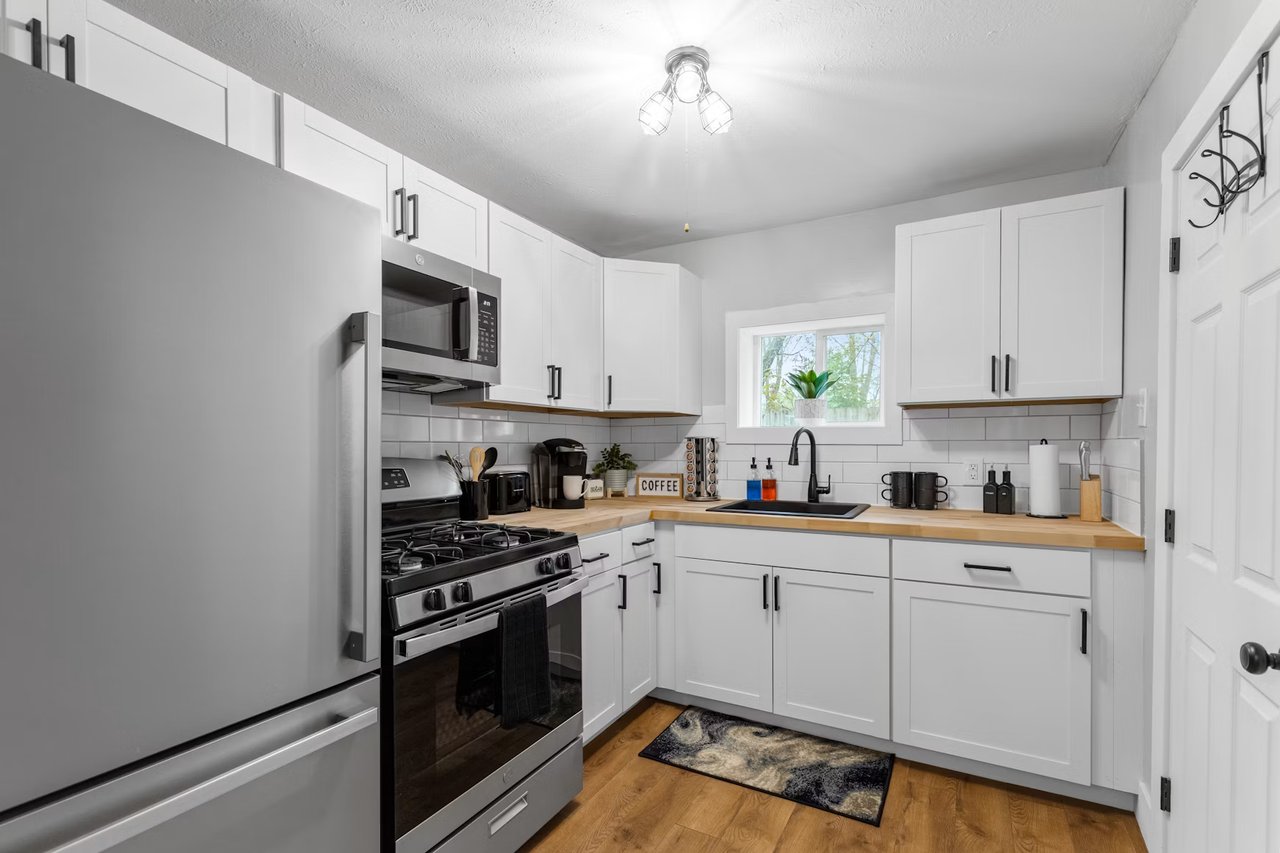
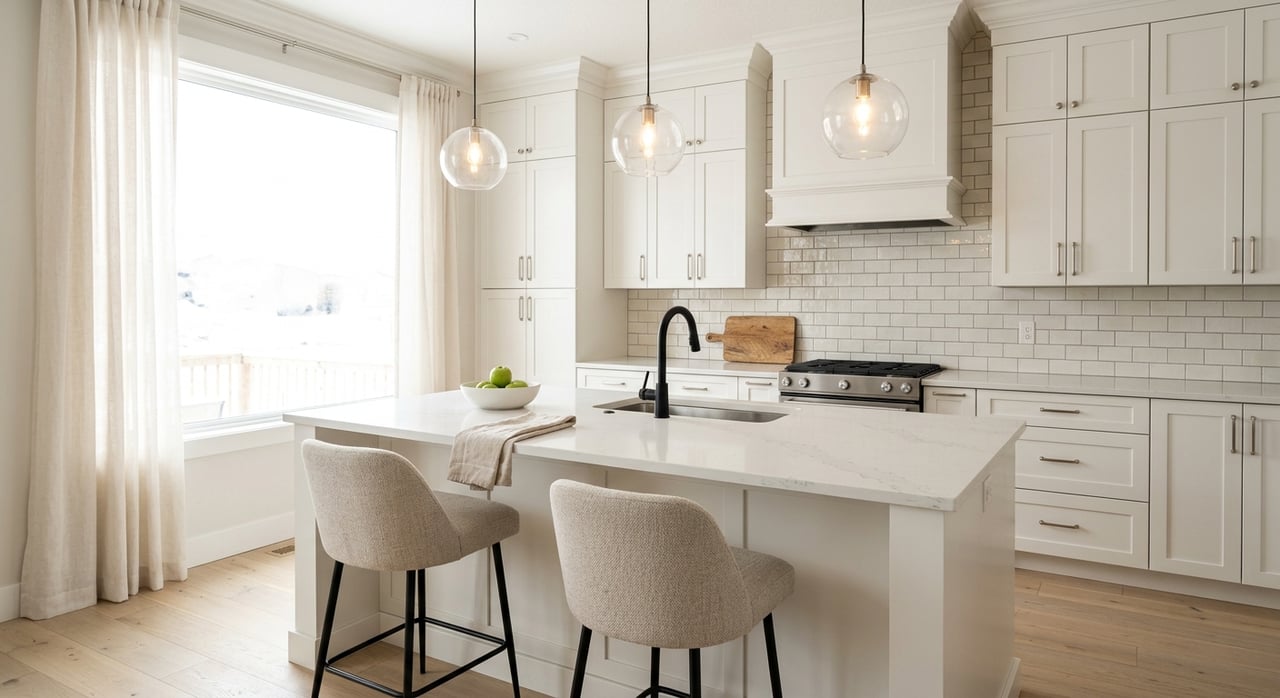
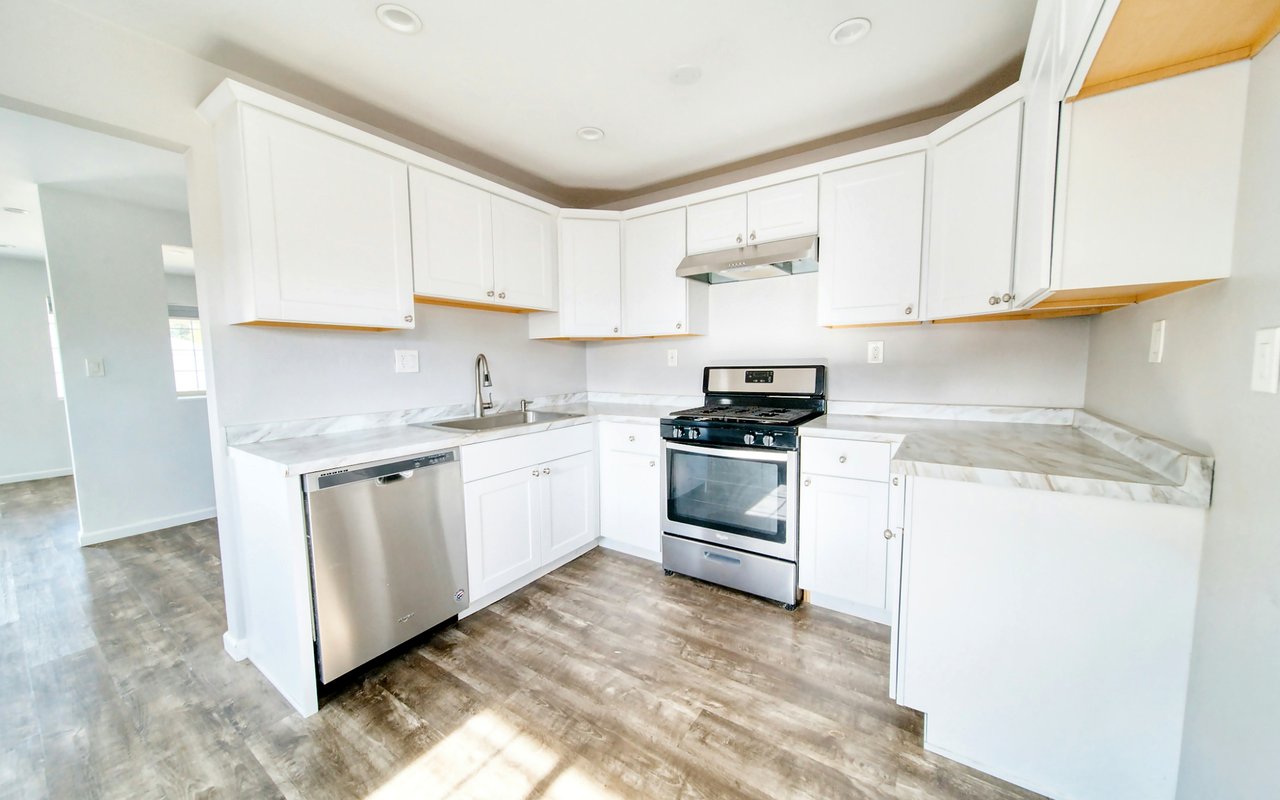
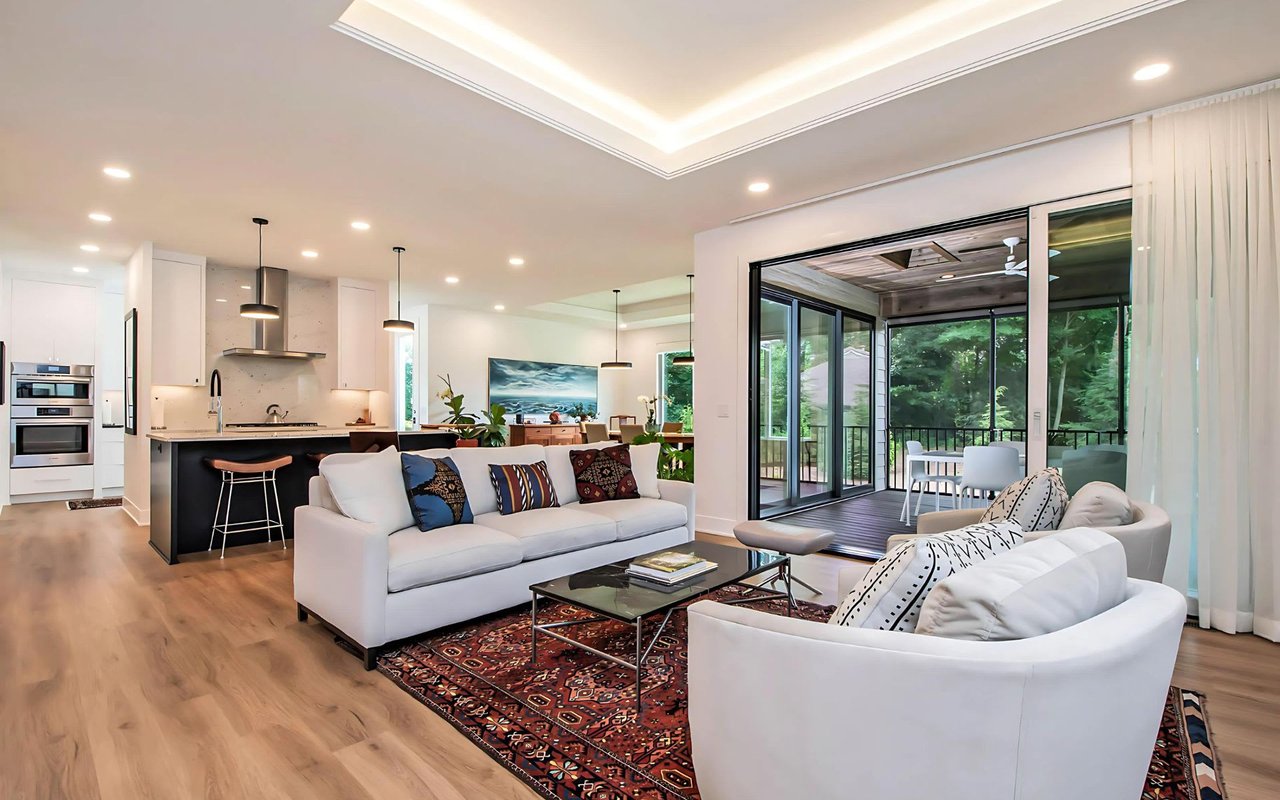
- Kitchen function: Solid counters, clean storage, and reliable appliances
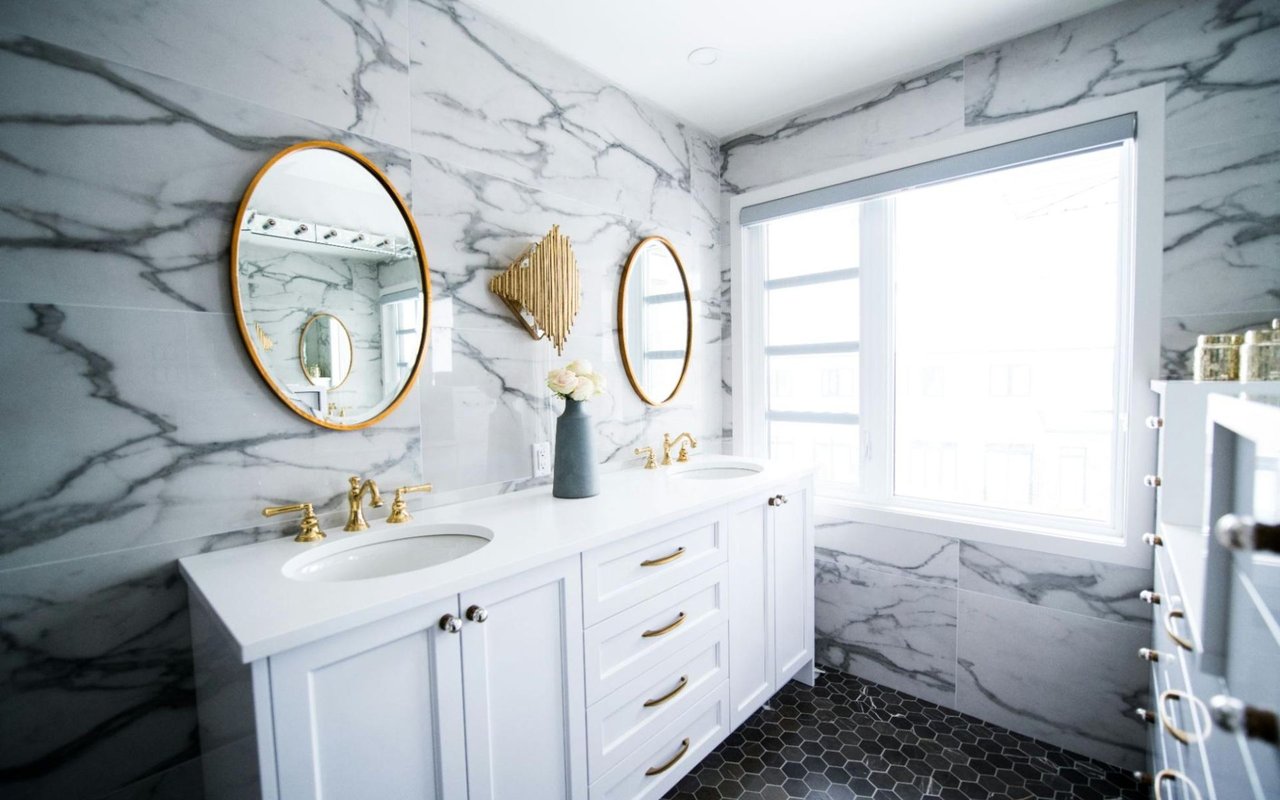
- Bath durability: Quality tile, ventilation, and simple fixtures
- Mechanical updates: HVAC, water heaters, and electrical capacity checks
- Laundry setup: In-unit laundry, where feasible for tenant convenience
Tenant Experience and Operations in a Four-Season City
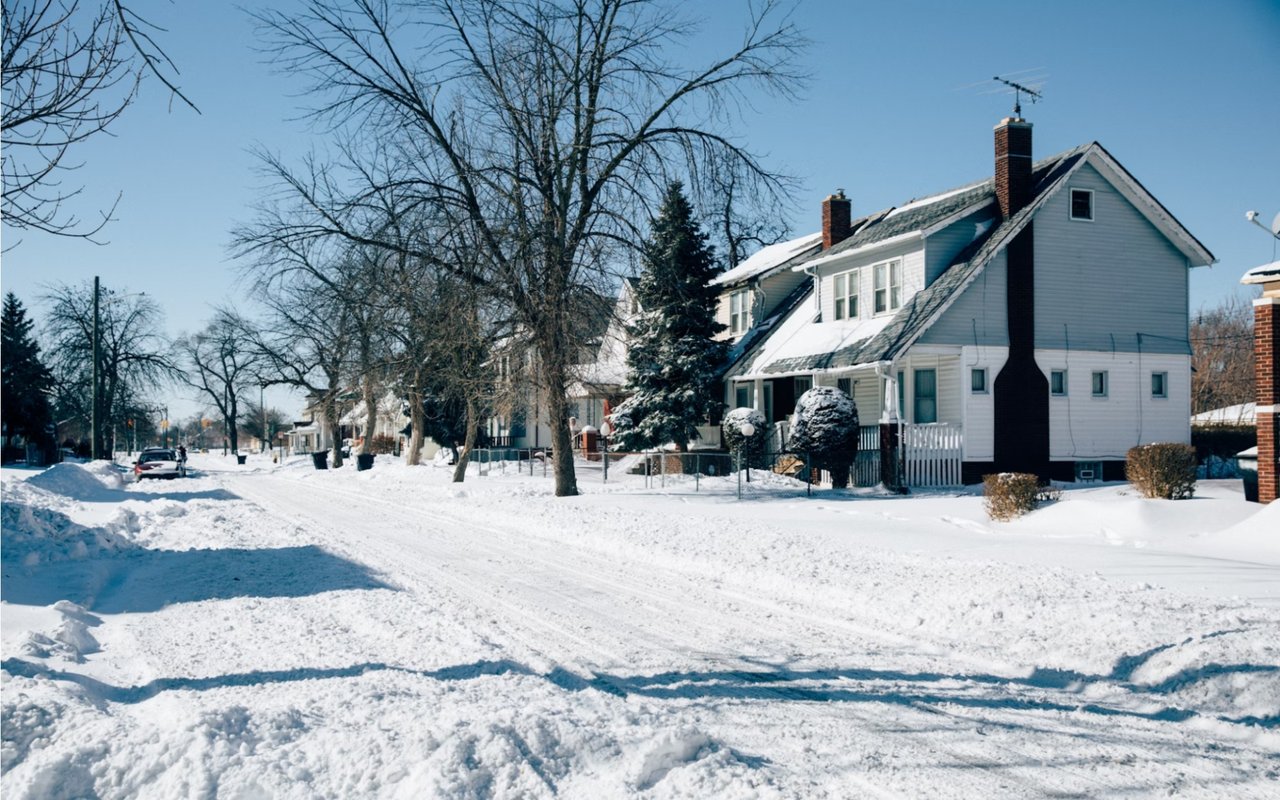
Operations in Grand Rapids require seasonal planning, from snow and ice routines to humidity control during summer.
Operational planning items we keep consistent
- Winter readiness: Ice management, entry mats, and exterior checks
- HVAC servicing: Spring and fall tune-ups with filter schedules
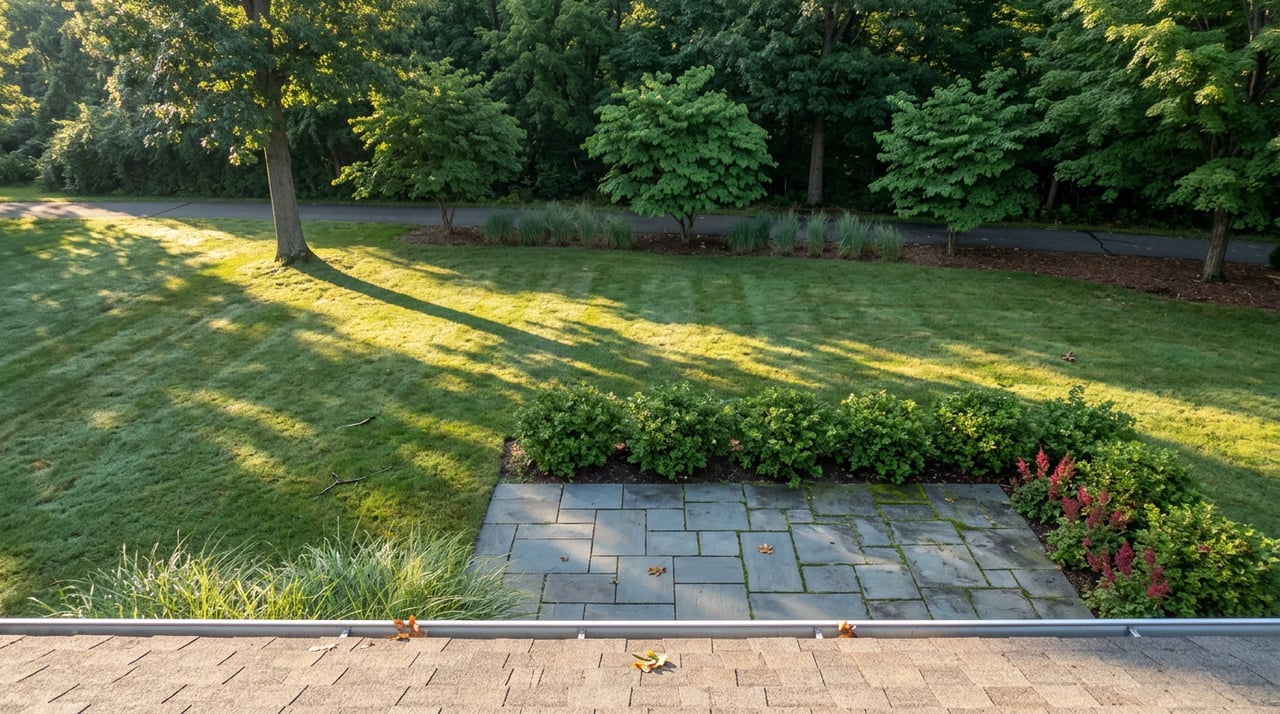
- Water management: Gutter cleaning and grading checks around older foundations
- Vendor roster: Reliable trades for plumbing, electrical, and general repairs
FAQs
What is the first step before touring investment properties in Grand Rapids?
We start by defining the target neighborhood and property type, then we pull comparable rent and sales data for that micro-area. A clear buy box helps tours stay focused and efficient.
How do you evaluate a duplex versus a single-family rental?
We compare maintenance scope, vacancy risk, and how the unit mix matches local renter demand. We also review long-term resale flexibility, since duplexes and single-family homes can behave differently depending on the block.
Which upgrades usually matter most for rental performance?
Kitchen function, durable bathrooms, and mechanical reliability tend to create the strongest day-to-day performance. In-unit laundry also tends to strengthen leasing appeal when the layout supports it.
Contact The Cheryl Grant Real Estate Team Today
Grand Rapids stands out because investment options range from Heritage Hill character duplexes to West Side newer builds near Bridge Street, and each micro-market has its own rent and resale logic.
Reach out to us at The Cheryl Grant Real Estate Team, and we will map investing in real estate in Grand Rapids MI to the neighborhoods and property types that match your goals, whether that means stable long-term holds, renovation upside, or a low-maintenance condo approach.
Reach out to us at The Cheryl Grant Real Estate Team, and we will map investing in real estate in Grand Rapids MI to the neighborhoods and property types that match your goals, whether that means stable long-term holds, renovation upside, or a low-maintenance condo approach.