If you are shopping for a home in Grand Rapids, style is more than a design preference. It can shape how you live, what you maintain, and what rules may apply after you move in. In a city known for its distinct neighborhoods and wide mix of older and newer homes, understanding local housing styles can help you buy with more confidence. Let’s dive in.
Why housing style matters in Grand Rapids
Grand Rapids describes itself as a city of neighborhoods, and that shows up clearly in its housing. Across the city, you will find historic homes, early twentieth-century houses, post-war neighborhoods, and newer infill housing all in the same market.
That variety matters because Grand Rapids is not a one-style city. Census data shows a mixed owner-renter market, with a 54.0% owner-occupied housing rate and a median owner-occupied home value of $244,500. For buyers, that means your options may range from a first home with vintage details to a larger suburban-style layout or a newer in-city build.
Housing age is also a major part of the story. A city housing plan found that 64.6% of Grand Rapids housing stock was 50 years old or older, including more than 31,000 homes built before 1940. That older stock gives the city much of its visual character, but it also means condition, systems, and long-term upkeep should stay top of mind.
Historic homes in Grand Rapids
Heritage Hill sets the tone
If you want the clearest look at classic Grand Rapids architecture, Heritage Hill is the place buyers usually notice first. The district includes about 1,300 structures and is recognized as one of the largest urban historic districts in the country.
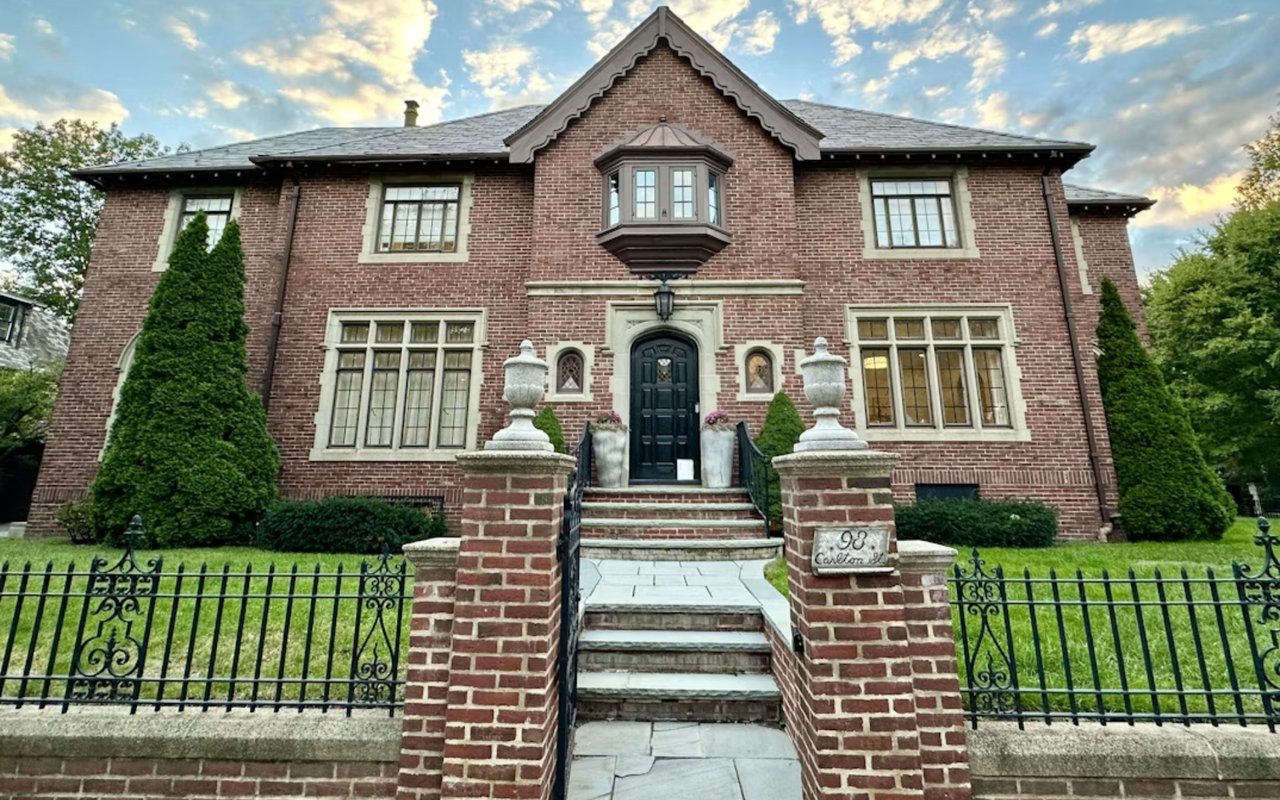
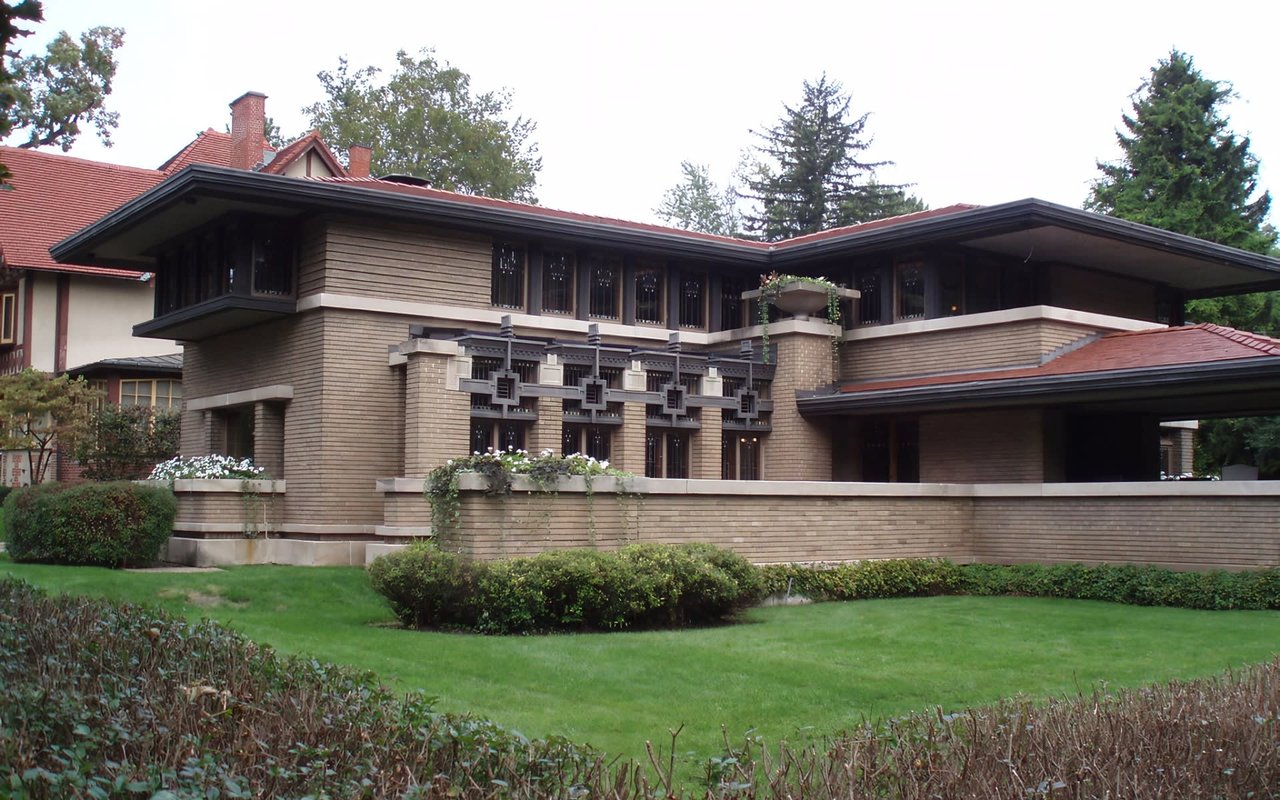
What makes Heritage Hill stand out is its range. Buyers may see Greek Revival, Italianate, Queen Anne, Colonial Revival, Tudor Revival, Prairie, American Foursquare, Craftsman and Bungalow, and Modern Movement homes within the same district. That variety gives the area a layered, collected feel rather than a repeat-one-model look.
Historic districts come with added considerations
In Grand Rapids, buying in a historic district means you are choosing more than a certain exterior style. The city has designated six multi-resource historic districts and 79 local historic landmarks, which creates a stronger preservation framework than you would find in a typical neighborhood.
That matters if you plan to make exterior updates. In a local historic district or on a historic landmark, exterior changes, additions, improvements, and repairs may require a Certificate of Appropriateness. If you love historic homes, it is smart to appreciate both the charm and the process that can come with preserving it.
Early twentieth-century homes
Walkable neighborhoods and mixed housing
Many buyers are drawn to Grand Rapids neighborhoods built from about 1900 to 1945. According to the city’s neighborhood typology, these areas were often shaped by streetcar lines and tend to be highly walkable, with mixed uses in some blocks.
In practical terms, that can mean a traditional street grid, sidewalks, older trees, and a blend of single-family homes, duplexes, small apartment buildings, and corner commercial structures. If you want a neighborhood with a connected, established feel, these areas often deliver that experience.
Style variety is part of the appeal
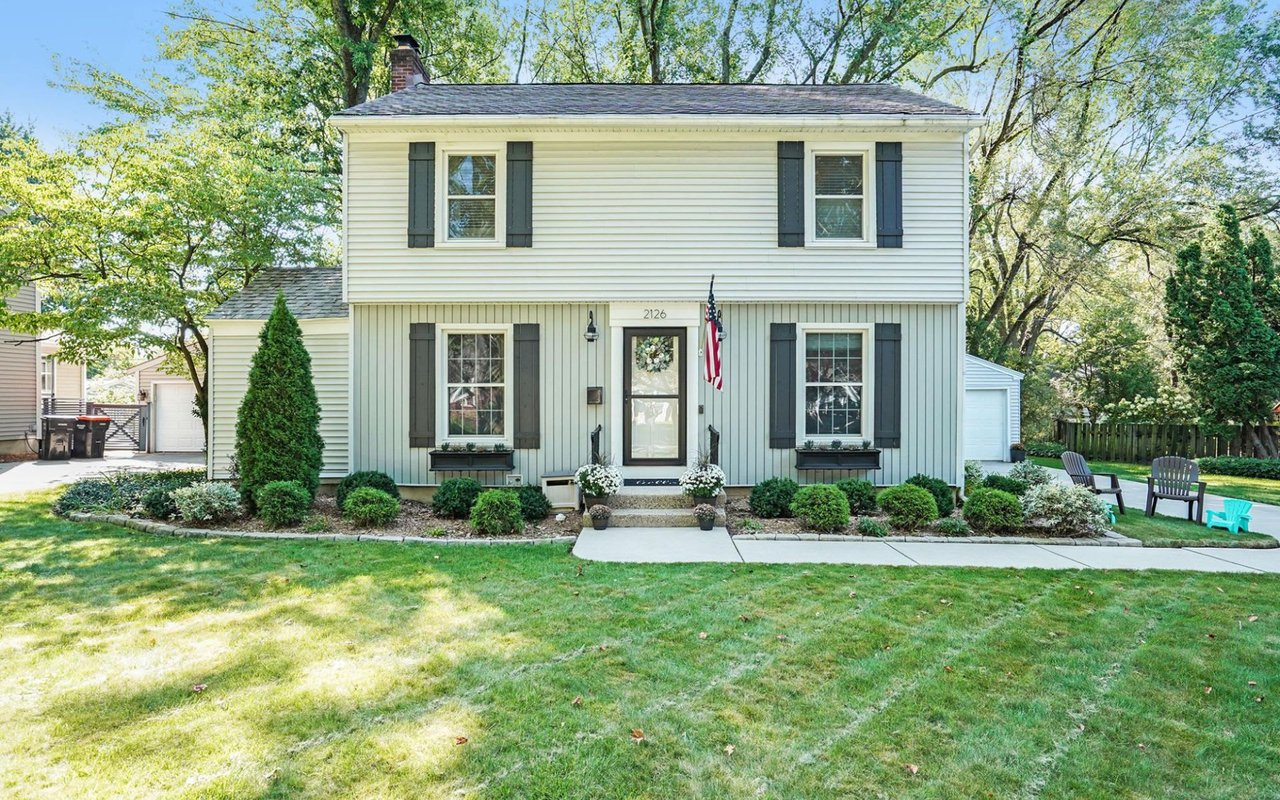
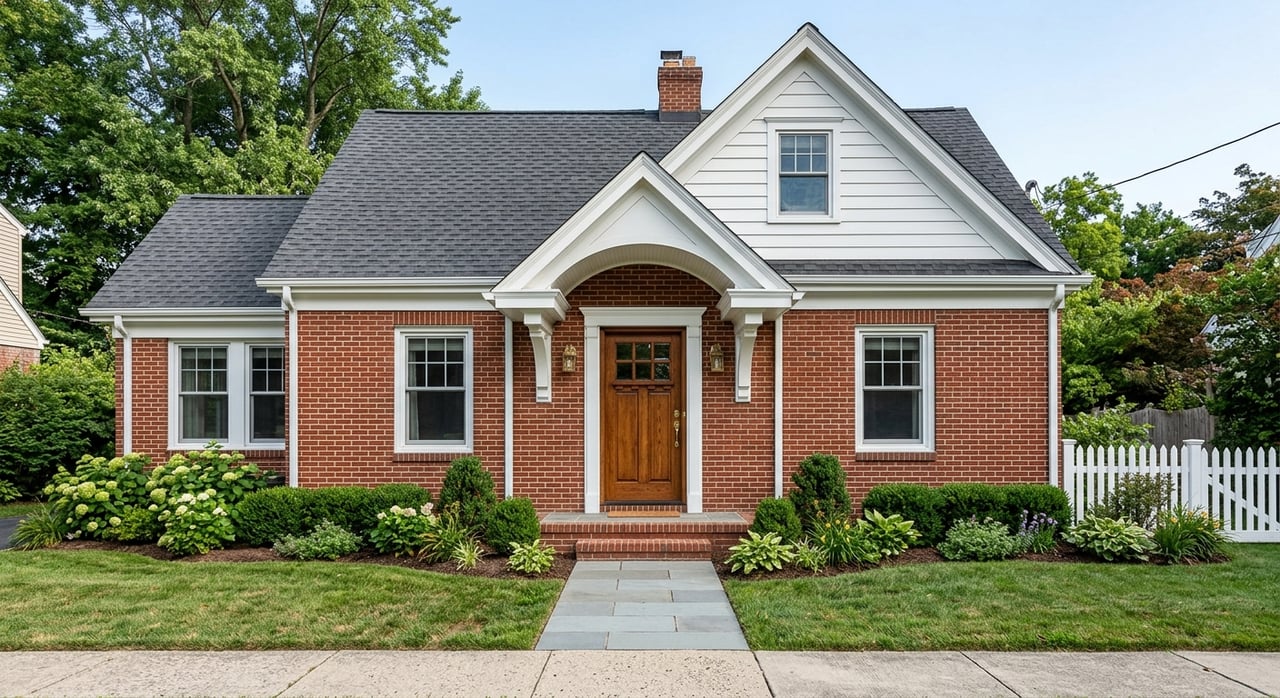
One of the strengths of older Grand Rapids neighborhoods is that homes from the same general era do not always look the same. You may see Colonial Revival next to Prairie, or Tudor Revival near a Craftsman or Bungalow.
For buyers, that can be a real advantage. It gives you more architectural personality and more choices in layout, curb appeal, and exterior materials, even within a small area of the city.
Post-war homes and later neighborhoods
Simpler design and practical layouts
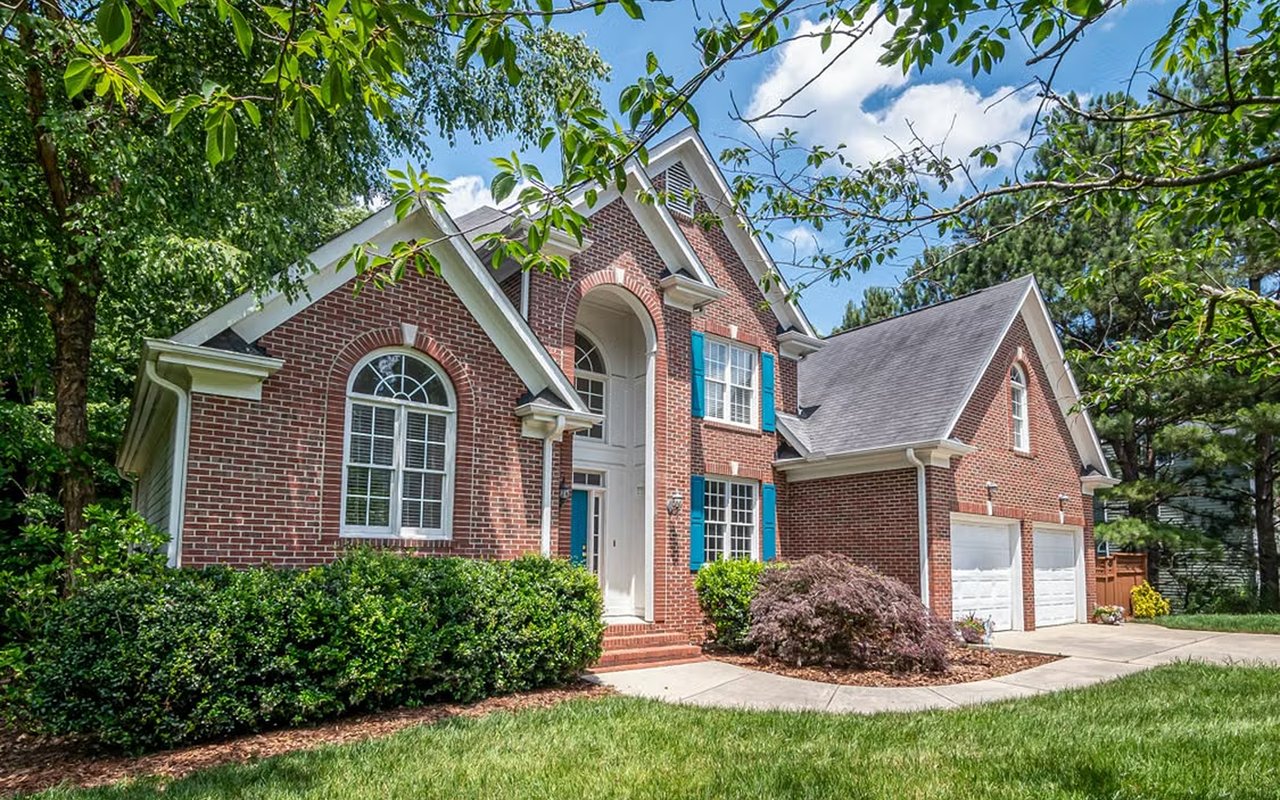
Homes built roughly from 1945 to 1970 often feel different from the city’s older core neighborhoods. Grand Rapids describes these post-war areas as more curvilinear, with cul-de-sacs, less mixed use, and lower walkability than earlier grid neighborhoods.
That shift usually brings a different kind of appeal. Instead of ornate exterior detail or a dense urban layout, you may find more focus on garage access, lot use, and interior function.
The ranch is a key style to know
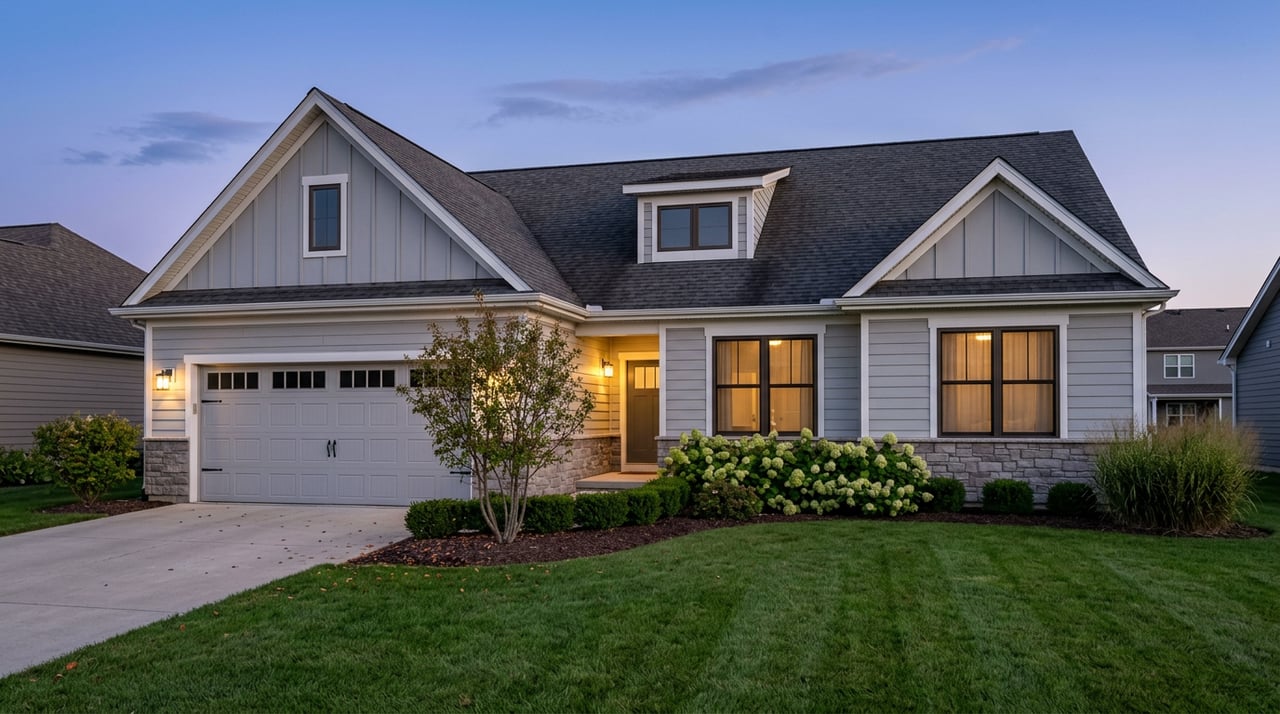
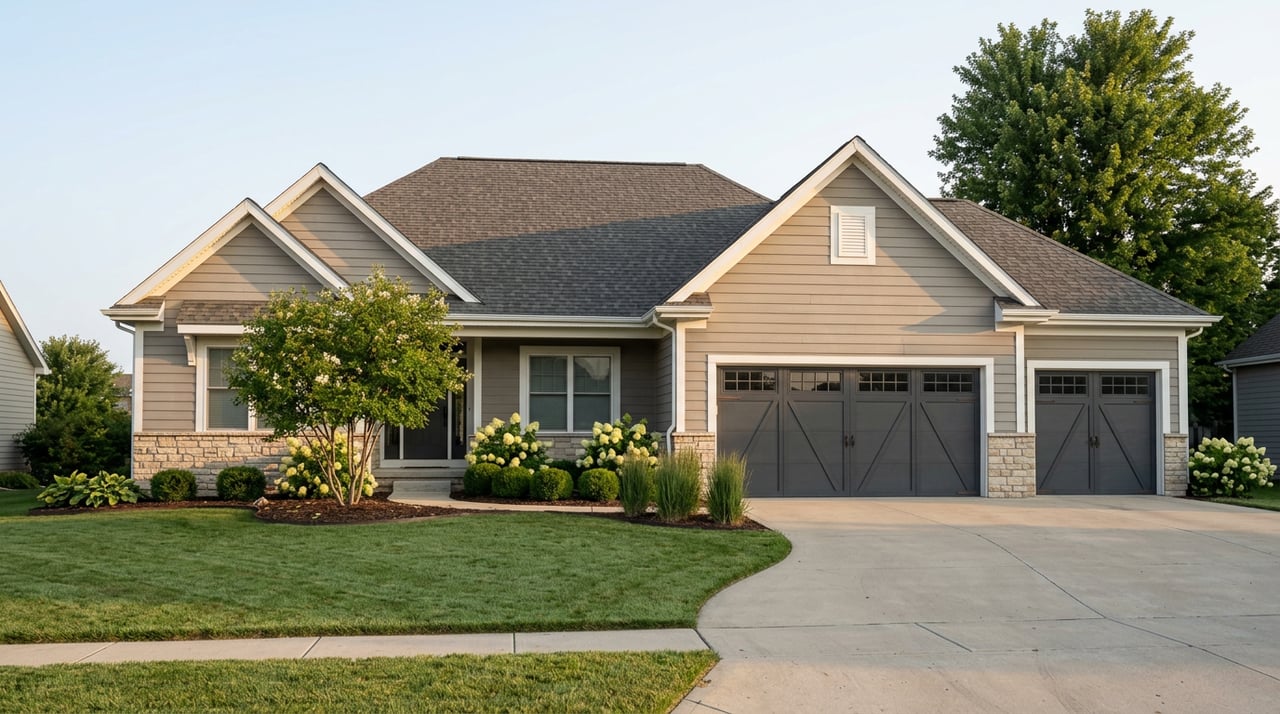
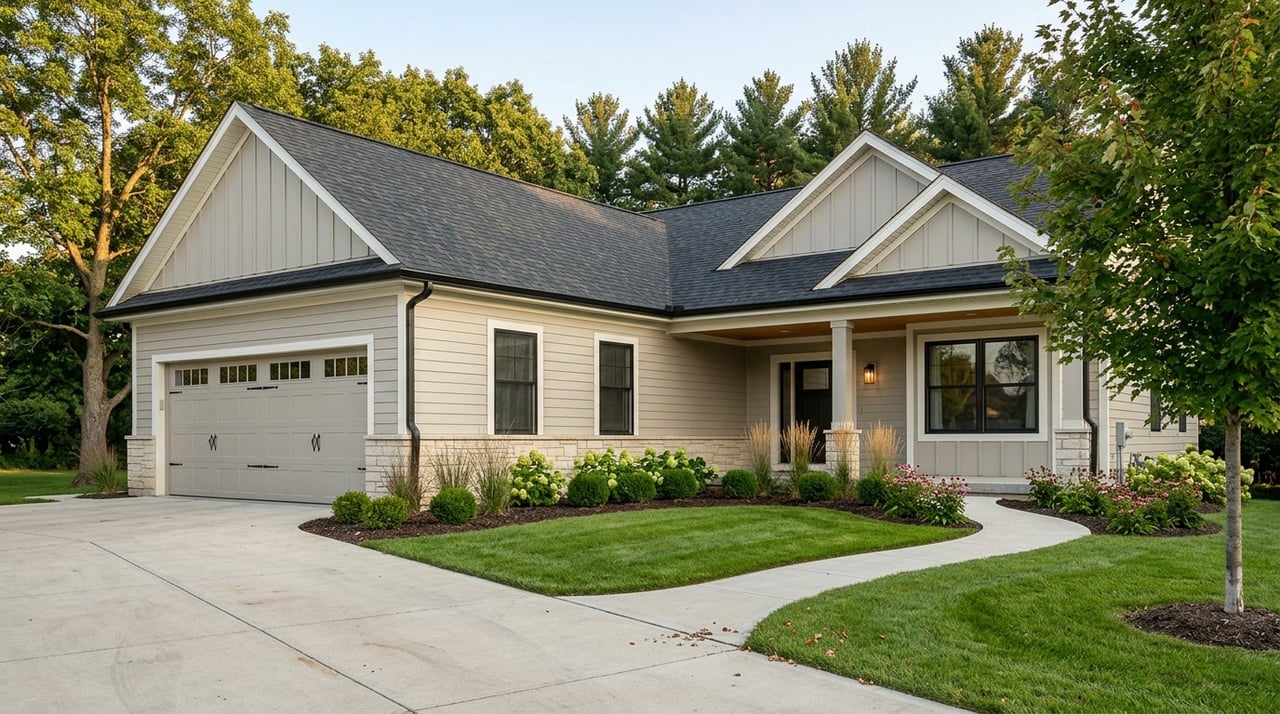
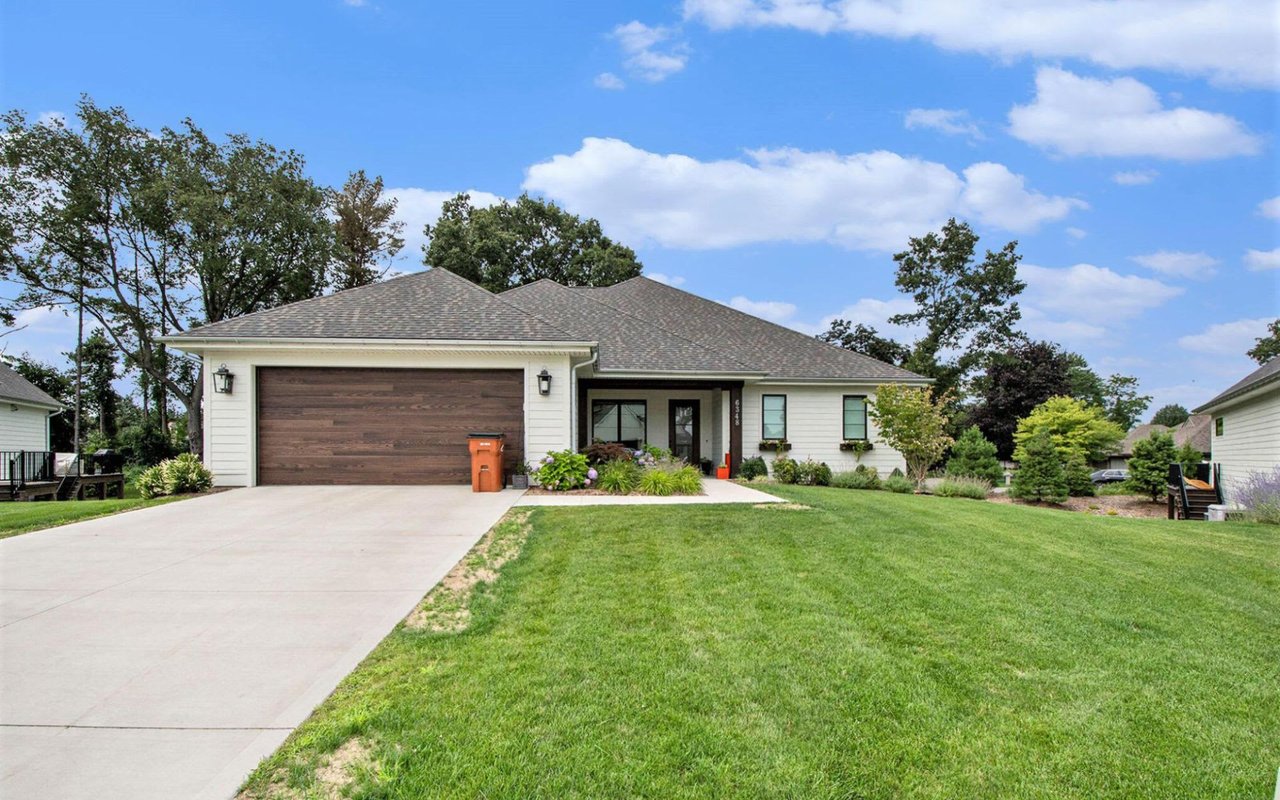
One of the most recognizable post-war styles is the ranch house. Britannica describes the ranch as a typically one-level house with a low roof and rectangular open plan, and it became especially popular during the post-World War II building boom.
In the Grand Rapids market, ranch homes can be a useful shorthand for mid-century and post-war housing. If you want easier one-level living or a simpler footprint, this is one of the first styles to watch for.
Newer housing and infill options
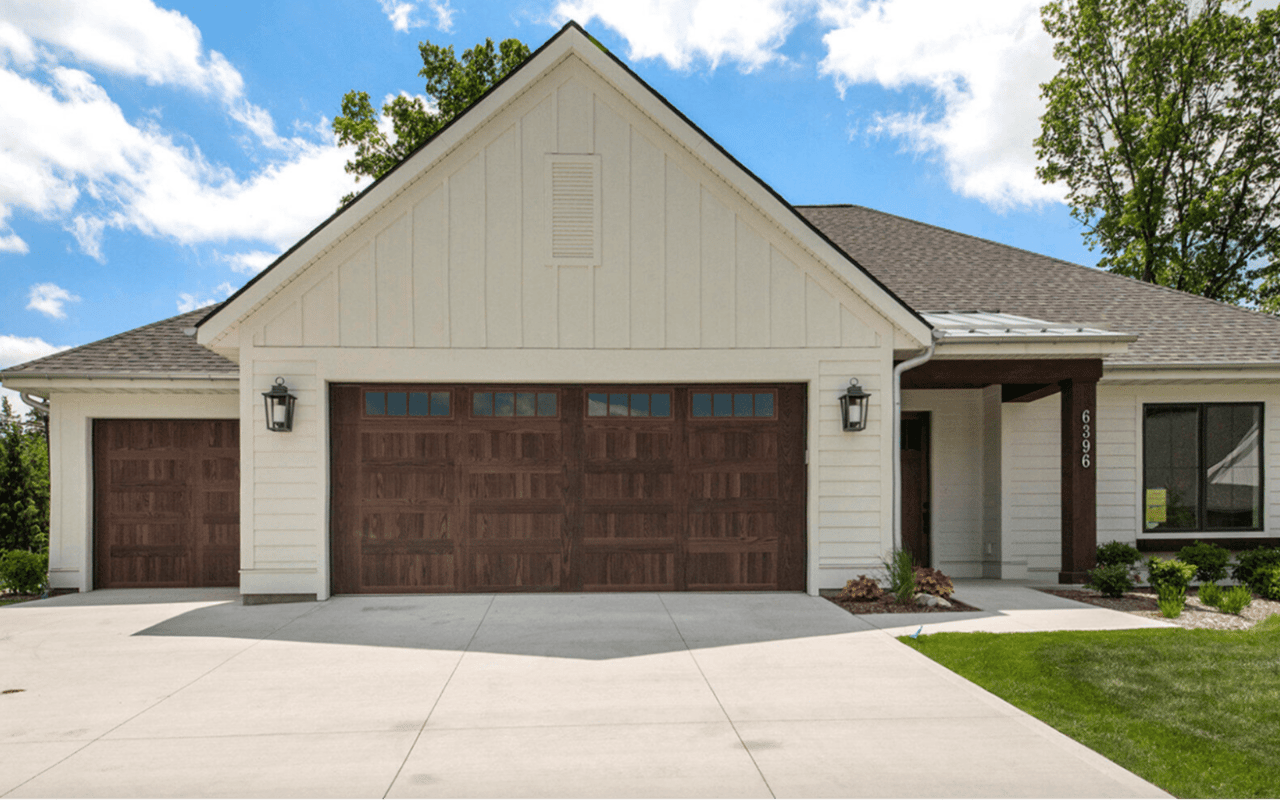
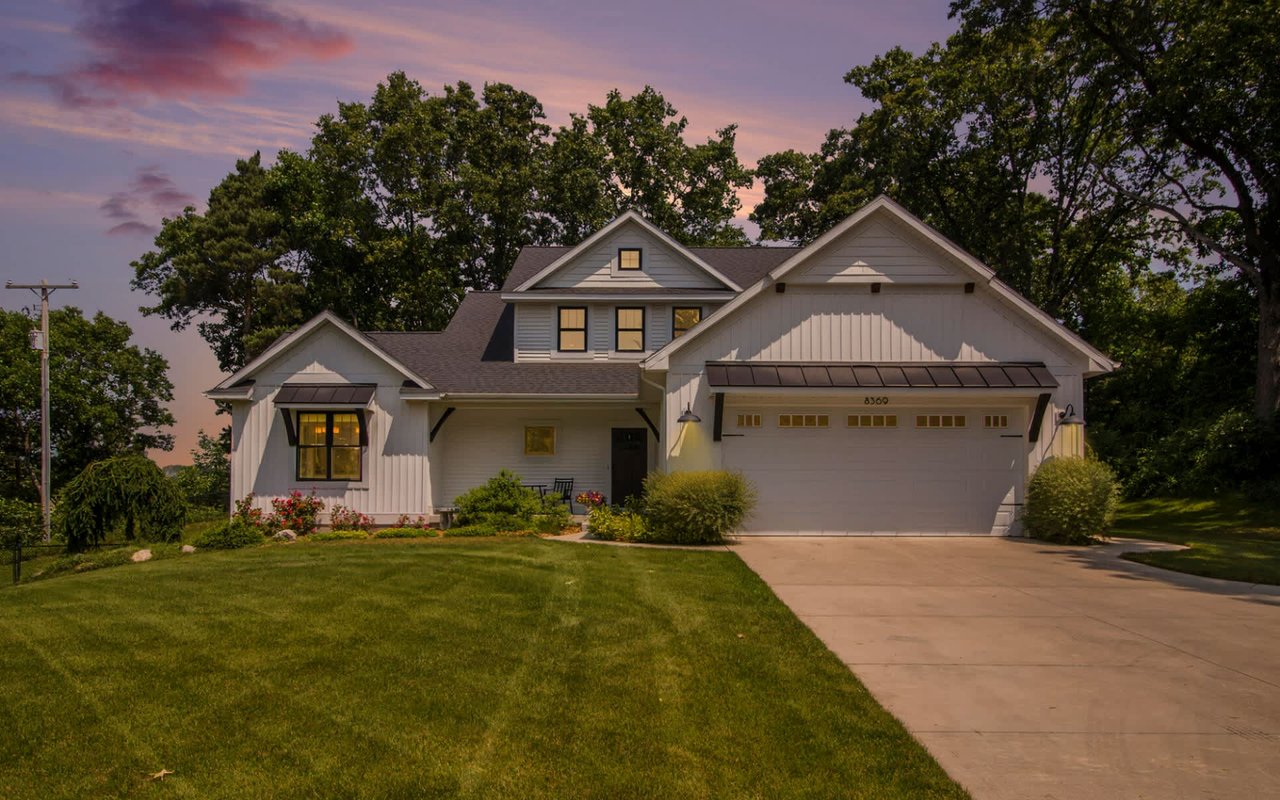
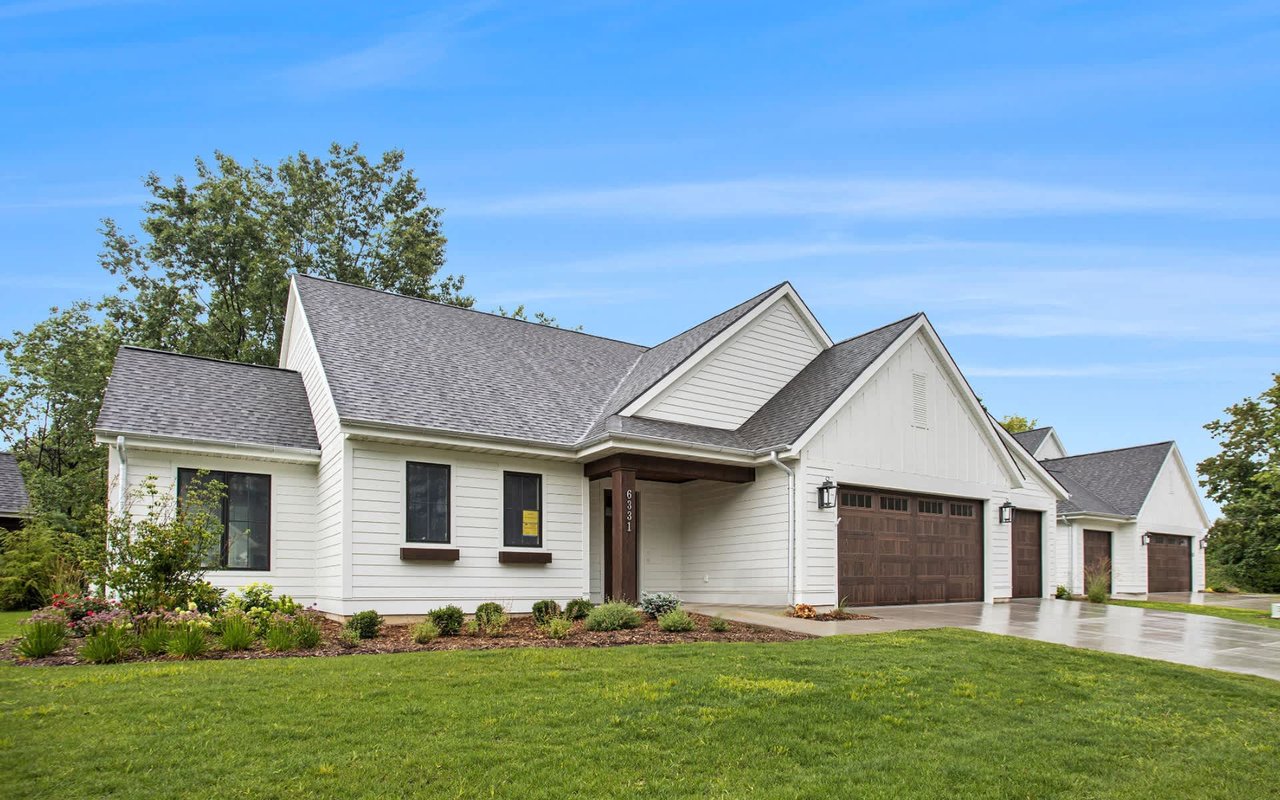
Grand Rapids is not only a market of older homes. The city’s planning department highlights accessory dwelling unit updates and permit-ready plans for single-family, two-family, and multi-family housing, showing that infill and redevelopment are active parts of today’s housing picture.
That means newer housing in Grand Rapids may not fit one classic architectural label. Instead, it is often tied to flexibility, redevelopment, and filling in the city’s existing neighborhood fabric.
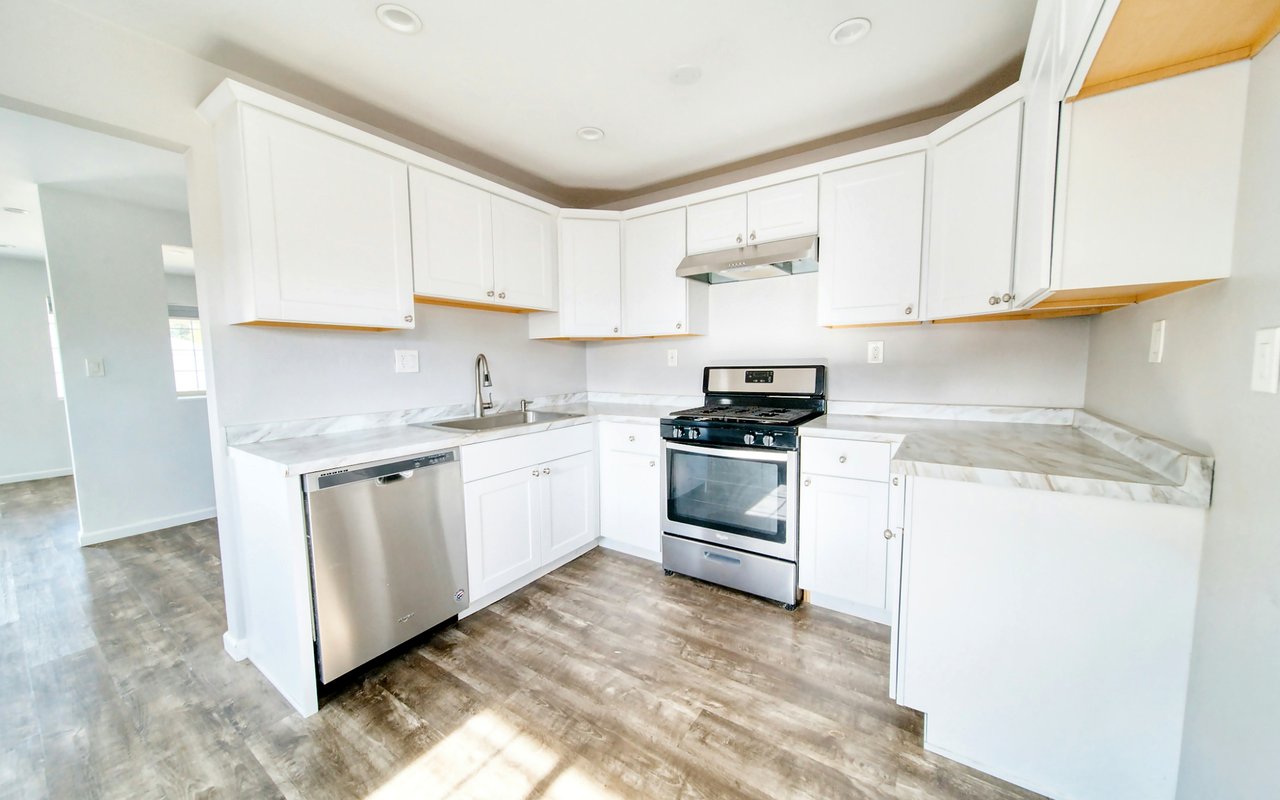
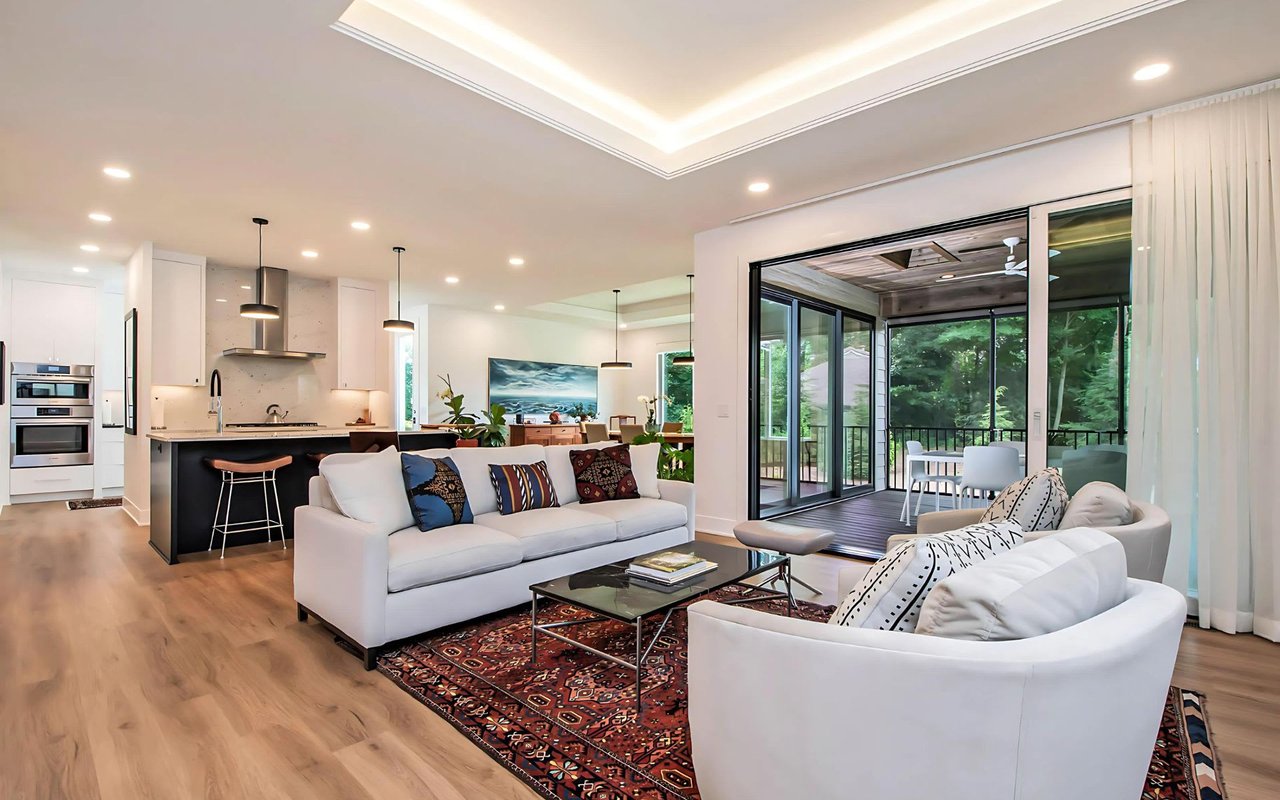
For buyers, this creates more choices. If you love the location and energy of the city but want newer systems or lower-maintenance construction, it may be worth including newer infill homes in your search.
How style affects daily living
The right home style is not only about curb appeal. It also affects how your home functions day to day.
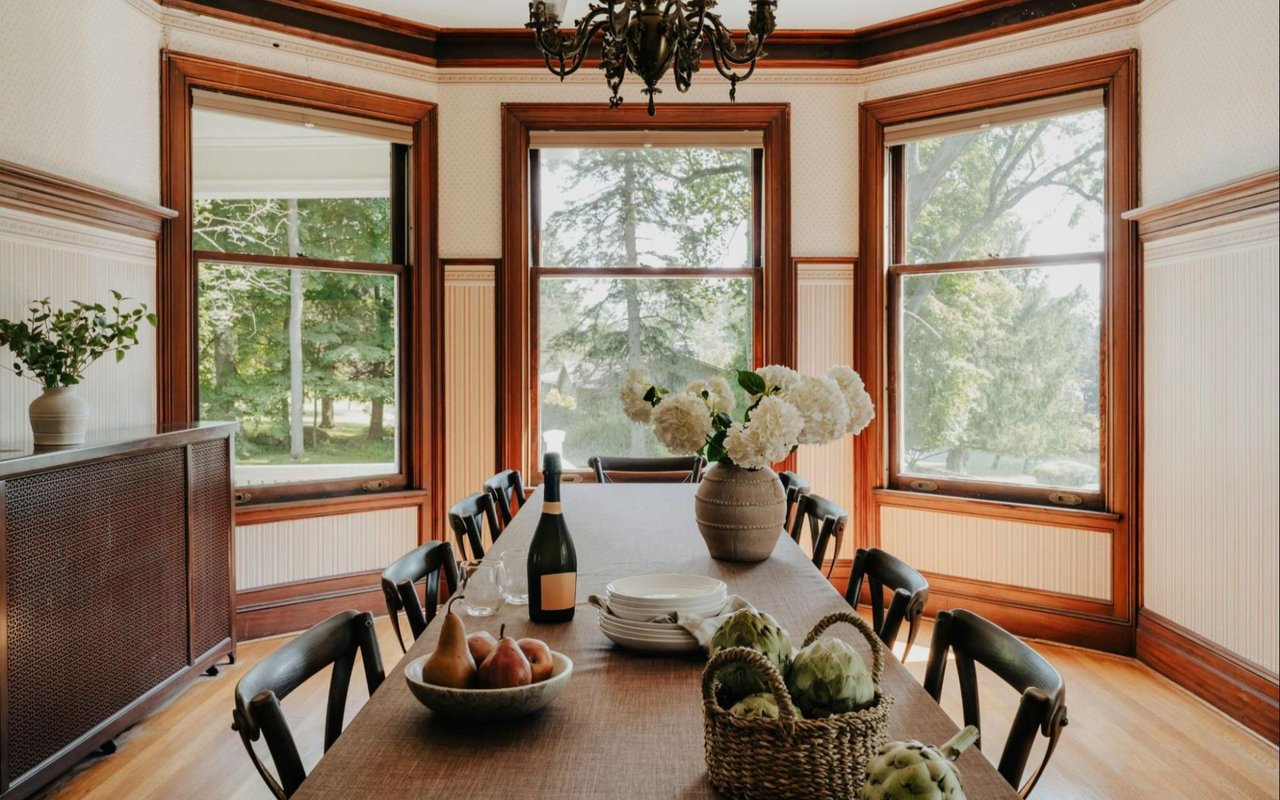
Older homes often offer stronger architectural character and a more established street presence. At the same time, they may come with more exterior maintenance, older materials, and more planning if you want to make changes. In historic areas, the preservation process can be an important part of ownership.
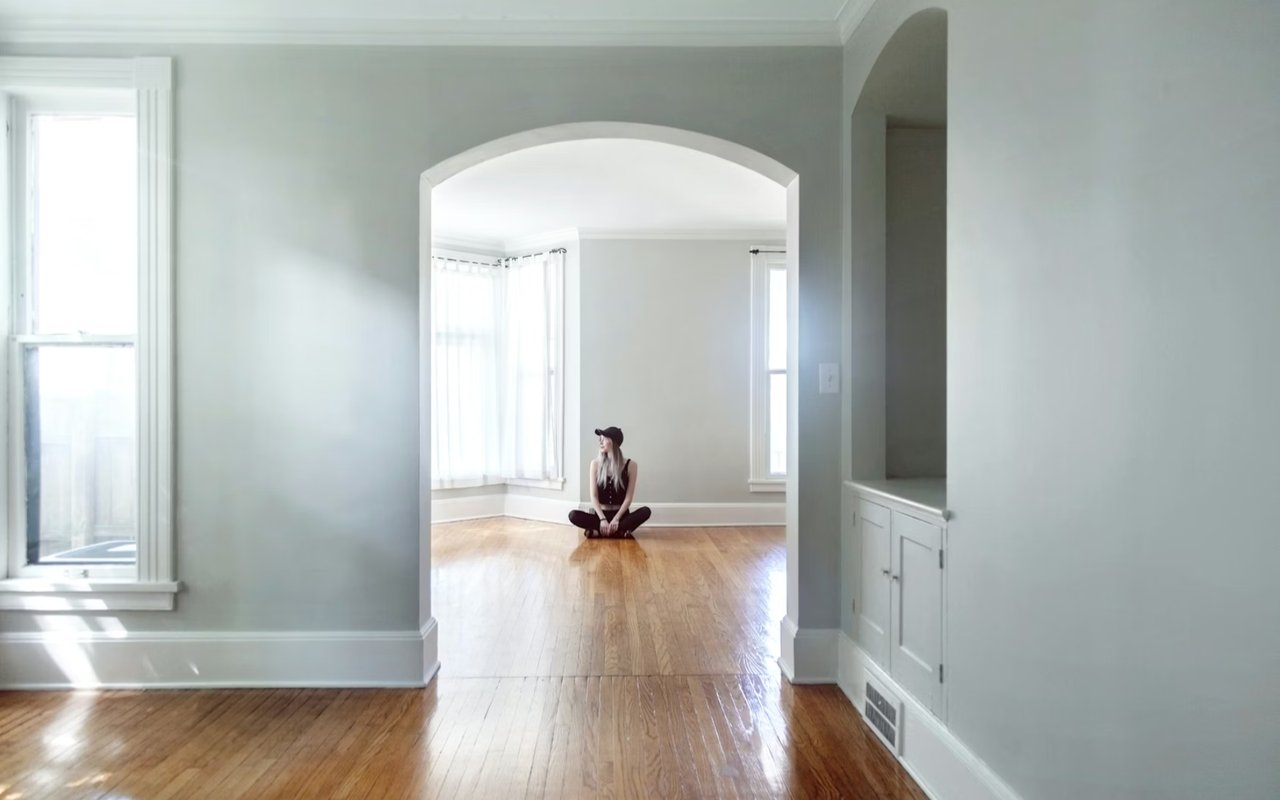
Post-war and later homes often trade decorative detail for ease of living. Simpler rooflines, fewer ornate exterior features, and more practical layouts can make daily upkeep more straightforward. In many cases, the neighborhood pattern is also more auto-oriented, which changes how you use the home and surrounding area.
What buyers should watch in older homes
In Grand Rapids, older architecture often means older systems too. The city notes that before 1950, many water service lines were made of lead, and homes built before 1978 can carry higher lead-related risk for children.
That does not mean you should avoid older homes. It does mean you should look beyond the trim, porch, and original woodwork. Plumbing, water service line age, and overall system condition deserve close attention during your home search and inspection period.
A helpful way to think about it is this: charm and maintenance often travel together. When you understand that up front, you can make a smarter decision about what fits your budget, your timeline, and your comfort level for future projects.
Are historic homes always more expensive?
Not necessarily. The most accurate way to think about value in Grand Rapids is that historic preservation can support property value stability, but no automatic price premium is guaranteed.
Actual pricing still depends on the usual factors, including location, condition, lot size, and how much work the home needs. A beautifully maintained historic home may command strong interest, while another home with similar architecture could require enough updates to affect pricing.
That is why style should be only one part of your decision. The better question is how the home’s architecture, condition, and location work together for your goals.
How Grand Rapids compares with nearby suburbs
Grand Rapids proper generally offers the broadest concentration of older, denser, walkable architectural variety. If you want a wide mix of historic homes, early twentieth-century styles, and established city blocks, the city often delivers the most options in one market.
Nearby suburbs can look different, though not always in a simple newer-versus-older way. East Grand Rapids, for example, reports major home-building periods in the 1920s and 1950s and includes Victorian, traditional, modern, and newer designs. Wyoming describes its housing stock as a balance of older and modern homes.
The takeaway is simple. If you are comparing the city with nearby communities, do not assume one area has all the character or all the convenience. Each market has its own housing mix, and your best fit depends on what matters most to you.
How to narrow down your ideal style
If you are just starting your search, it helps to match style with lifestyle before you tour too many homes. Ask yourself a few practical questions:
- Do you want architectural character or lower-maintenance simplicity?
- Do you prefer a walkable street grid or a more auto-oriented layout?
- Are you comfortable with the upkeep that can come with an older home?
- Would one-level living make daily life easier?
- Are you open to newer infill housing inside the city?
When you answer those questions first, you can search with more focus. You are not just choosing a look. You are choosing how you want to live in Grand Rapids.
Whether you are drawn to a classic Heritage Hill home, a Craftsman in an early twentieth-century neighborhood, or a practical ranch in a later-era area, the best match is the one that fits both your taste and your day-to-day needs. If you want help comparing Grand Rapids neighborhoods and housing styles, connect with Cheryl Grant - MI - Main Site for trusted local guidance.
FAQs
What housing styles are most common in Grand Rapids?
- Grand Rapids includes a broad mix of historic styles, early twentieth-century homes, post-war houses such as ranches, and newer infill housing.
What should buyers know about historic homes in Grand Rapids?
- Buyers should know that historic homes may come with added exterior review requirements in designated historic districts or on historic landmarks.
What makes Heritage Hill homes different from other Grand Rapids homes?
- Heritage Hill stands out for its large concentration of historic homes and its unusually wide range of architectural styles in one district.
What should buyers inspect in older Grand Rapids homes?
- Buyers should pay close attention to plumbing, water service line age, and other older systems, especially in homes built before 1950.
Are ranch homes common in Grand Rapids neighborhoods?
- Ranch homes are a key style in post-war Grand Rapids neighborhoods and are often associated with one-level living and practical layouts.
Are there newer homes available inside Grand Rapids city limits?
- Yes, Grand Rapids is actively discussing ADUs and permit-ready plans for single-family, two-family, and multi-family housing, which supports newer infill and redevelopment options inside the city.