By The Cheryl Grant Real Estate Team
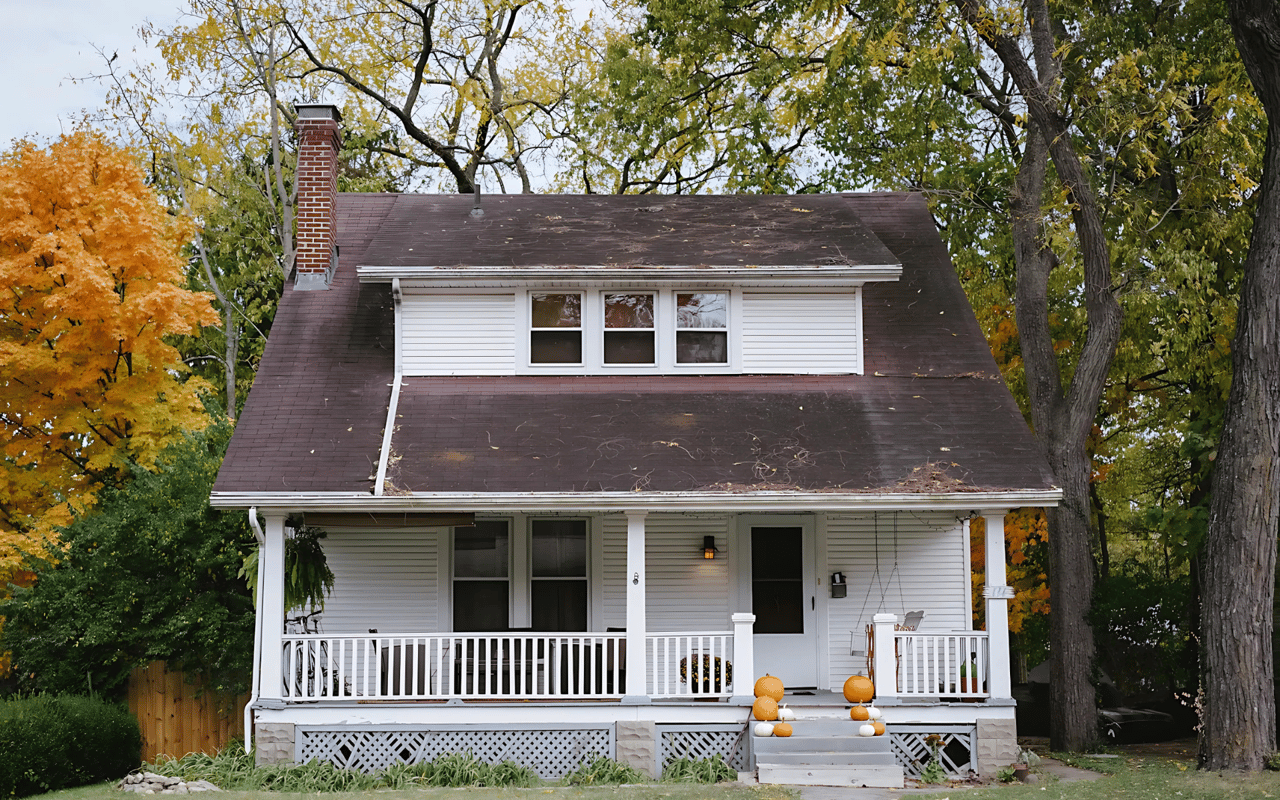
Historic district homes in Grand Rapids carry a character and craftsmanship that newer construction simply cannot replicate. The architectural detail, the mature street trees, the sense of place that comes from a neighborhood with genuine history—these are the qualities that draw buyers to areas like Heritage Hill, Midtown, and Creston time and again.
But purchasing real estate in historic districts also comes with a distinct set of considerations that every informed buyer needs to understand before making an offer. We work with buyers in Grand Rapids' historic neighborhoods regularly, and the clients who navigate these purchases most successfully are the ones who come prepared.
Key Takeaways
- Learn what historic district designation means for homeowners in Grand Rapids and how it affects renovation and exterior modification decisions.
- Discover the key due diligence steps that matter most when evaluating older homes in Grand Rapids' established historic neighborhoods.
- Find out how to assess the financial picture of a historic home purchase, including maintenance costs and available preservation incentives.
- Understand what makes real estate in historic districts a compelling long-term investment in the Grand Rapids market.
What Historic District Designation Actually Means
Not every older home in Grand Rapids carries a historic district designation, and understanding the difference matters before you begin your search. Locally designated historic districts in Grand Rapids are overseen by the City's Historic Preservation Commission, which reviews proposed exterior changes to ensure they align with the character of the district. This is an important distinction from simply purchasing an older home outside of any designated area.
What Buyers Should Understand About Historic District Rules
- Exterior modifications including window replacements, siding changes, additions, and even paint colors in some cases may require review and approval from the Historic Preservation Commission before work begins.
- Interior renovations are generally not subject to historic review, giving homeowners significant freedom to update kitchens, bathrooms, and mechanical systems without commission oversight.
- The review process is designed to protect the architectural integrity of the district as a whole, not to prevent owners from maintaining or improving their properties.
- Buyers who plan significant exterior changes should research the specific guidelines for their target district before purchasing to ensure their vision for the home is achievable within those parameters.
Understanding the framework upfront prevents surprises after closing and helps buyers evaluate whether a specific property aligns with their renovation intentions.
Due Diligence That Matters Most for Historic Homes
Purchasing a home in Heritage Hill or another Grand Rapids historic neighborhood requires a more thorough due diligence process than buying newer construction. The age of these properties means that certain systems and structural elements deserve closer scrutiny than a standard inspection checklist typically provides.
The Inspection and Research Priorities for Historic District Buyers
- A home inspector with specific experience evaluating older homes is worth seeking out. Inspectors familiar with Grand Rapids' historic housing stock understand the issues most common to homes built in the late 19th and early 20th centuries.
- Foundation evaluation deserves particular attention in older Grand Rapids homes where settlement, moisture intrusion, and original construction materials vary considerably from property to property.
- Electrical systems in historic homes frequently include original or partially updated wiring that may not meet current code requirements, representing both a safety consideration and a potential renovation cost.
- Lead paint and asbestos-containing materials are common in homes built before 1978 and should be factored into both inspection scope and renovation budgeting for any historic district property.
Thorough due diligence in a historic home purchase is not about finding reasons to walk away. It is about entering the transaction with a complete and accurate picture of what you are buying.
The Financial Picture of Owning a Historic Home
Real estate in historic districts can be an exceptional long-term investment, but the financial picture requires honest evaluation beyond the purchase price. Maintenance and renovation costs for older homes can differ significantly from what buyers accustomed to newer construction might expect.
Financial Considerations Every Historic District Buyer Should Evaluate
- Original materials like plaster walls, wood windows, and historic masonry require specialized repair expertise that can cost more than standard contractor work but is often required to maintain historic integrity and qualify for preservation incentives.
- Michigan's State Historic Tax Credit program offers financial incentives for qualifying rehabilitation work on certified historic properties, which can meaningfully offset renovation costs for buyers planning significant improvements.
- Energy efficiency upgrades require a thoughtful approach in historic homes, balancing modern performance goals with preservation standards, particularly when it comes to window treatment and insulation strategies.
- Reserve budgeting for ongoing maintenance is essential. Historic homes reward owners who maintain them consistently and penalize deferred maintenance more significantly than newer construction typically does.
Buyers who approach the financial planning for a historic home purchase with the same care they bring to the purchase price itself are the ones who enjoy these properties most over the long term.
Why Historic Districts Remain a Compelling Investment in Grand Rapids
Despite the additional considerations involved, real estate in historic districts in Grand Rapids has demonstrated consistent appeal among buyers who value architectural authenticity, walkable urban neighborhoods, and long-term community stability. Heritage Hill's Victorian and Craftsman homes, the bungalows and foursquares of Creston, and the varied architectural fabric of Midtown each represent a distinct and enduring segment of the Grand Rapids market.
What Makes Historic District Properties Strong Long-Term Holdings
- Historic designation provides a degree of neighborhood stability that unregulated areas cannot guarantee, as the review process limits the kind of incompatible development that can erode residential character over time.
- The irreplaceable nature of historic architecture creates sustained buyer demand that supports property values in ways that commodity construction cannot match.
- Proximity to Grand Rapids' urban core, including the Medical Mile, downtown employment, and cultural destinations along Monroe Center, gives historic district neighborhoods a location advantage that compounds over time.
- Grand Rapids' ongoing investment in its historic neighborhoods through preservation programs and infrastructure improvements signals continued institutional support for these communities.
For buyers who are prepared to approach the purchase thoughtfully, historic district properties in Grand Rapids offer a combination of character, location, and long-term value that is genuinely difficult to find elsewhere in the market.
Frequently Asked Questions
Can we remodel the interior of a historic home in Grand Rapids without restriction?
In most cases, yes. Historic preservation oversight in Grand Rapids is primarily focused on exterior changes visible from the public right-of-way. Interior renovations are generally at the homeowner's discretion, which gives buyers considerable freedom to modernize living spaces while preserving the home's exterior character.
How do we find out if a specific property is in a locally designated historic district?
The City of Grand Rapids maintains records of locally designated historic districts and individual landmark properties. We help our buyers verify district status and understand the specific guidelines that apply to any property they are seriously considering.
Are historic homes harder to insure or finance than newer properties?
Some insurers and lenders approach older homes with additional requirements, but historic district properties in established Grand Rapids neighborhoods are routinely financed and insured without significant complications. Working with lenders and insurers experienced with older homes makes the process considerably smoother.
Reach Out to The Cheryl Grant Real Estate Team Today
Purchasing a historic home in Grand Rapids is one of the most rewarding real estate decisions a buyer can make when approached with the right preparation and the right guidance. We bring deep familiarity with Grand Rapids' historic neighborhoods and the specific knowledge these transactions require to help our clients move forward with confidence.
When you are ready to explore historic district properties in Grand Rapids, reach out to The Cheryl Grant Real Estate Team and let's find the right home for you.