By The Cheryl Grant Real Estate Team
Grand Rapids has built a well-deserved reputation as one of the most stable and investor-friendly housing markets in the Midwest, and house flipping in Grand Rapids MI has become an increasingly active corner of that market. Grand Rapids offers flippers something genuinely valuable: a city where the fundamentals are real and not artificially inflated. We work in this market every day and know its neighborhoods, its quirks, and its opportunities in the kind of detail that only comes from genuinely working here.
Here's what every flipper should understand before they start.
Key Takeaways
- The market moves fast: Grand Rapids homes sell in an average of six days on the market as of mid-2026, meaning flippers who complete a quality renovation can expect genuine buyer urgency when they list
- Neighborhood selection is everything: Grand Rapids is a city of distinct neighborhoods, and the difference between a flip that generates strong returns and one that disappoints often comes down to where on the map the property sits
- Michigan property taxes and holding costs require careful budgeting: Michigan's average property tax rate of 1.32 percent of assessed value is a carrying cost that adds up quickly on a flip with a longer renovation timeline
- House flipping in Grand Rapids MI: The city's combination of affordable entry points, steady appreciation, and strong buyer demand makes it one of the more compelling flip markets in Michigan
Why Grand Rapids Is a Strong Market for Flippers Right Now
The macroeconomic case for house flipping in Grand Rapids MI rests on a set of fundamentals that have proven more durable than most comparable Midwestern markets.
- Steady appreciation without speculation: Grand Rapids home prices were up 3.4 percent year-over-year as of mid-2026, with forecasts calling for similar appreciation through the end of the year
- A diversified economic base: Grand Rapids' economy is anchored by major healthcare employers including Spectrum Health and Corewell Health, Grand Valley State University, growing manufacturing, and a nationally recognized craft beer industry
- Recognition as a top housing market: Grand Rapids was named one of the National Association of Realtors' top ten housing markets for 2025, reflecting the city's combination of affordability, economic vitality, and sustained demand that makes it attractive not just to flippers but to the end buyers they are ultimately selling to
The strength of Grand Rapids' underlying fundamentals is what makes the flip model work here. Investors are selling into genuine demand, not manufacturing it.
Neighborhoods Worth Knowing for Flippers
Grand Rapids' neighborhoods vary significantly in terms of price point, buyer profile, and flip potential, and choosing the right one is the most consequential decision a flipper makes before any renovation begins.
- Near downtown and the Medical Mile: Properties near downtown Grand Rapids and the Medical Mile carry strong demand from healthcare professionals and young buyers, making well-renovated homes in this corridor attractive to a deep, consistent buyer pool
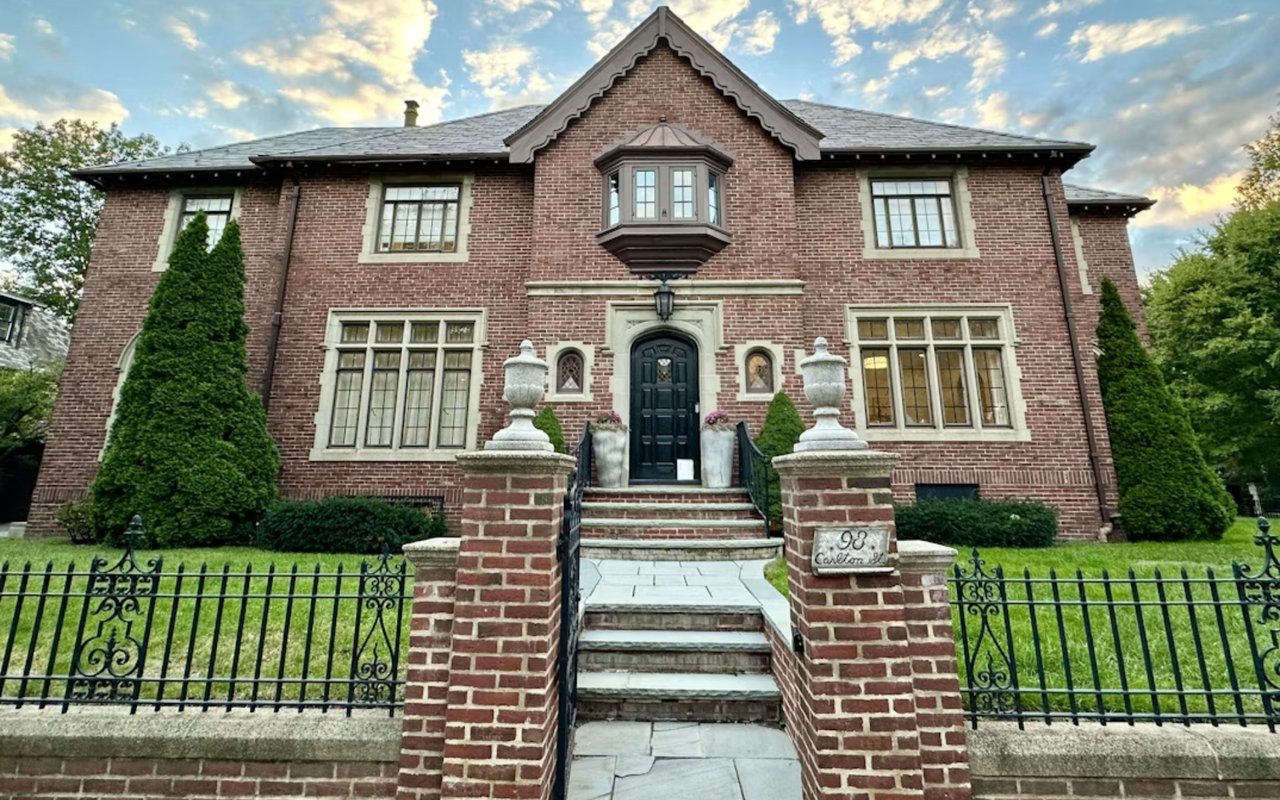
- Historic neighborhoods with value-add potential: Areas like Eastown, Heartside, and the Creston neighborhood offer older housing stock with genuine architectural character that rewards thoughtful renovation and appeals strongly to the millennial and first-time buyer demographic that makes up a significant share of Grand Rapids' active buyers
- Factory Yards and emerging development corridors: The $150 million Factory Yards redevelopment in the Black Hills and Roosevelt Park neighborhoods is one of the clearest signals of where neighborhood investment energy is flowing, and properties in adjacent streets stand to benefit from that surrounding momentum
Flippers who take the time to understand which neighborhoods are attracting end buyers, and why, consistently outperform those who simply chase the lowest purchase price regardless of location.
Financing, Budgeting, and the Numbers That Matter
The financial mechanics of house flipping in Grand Rapids MI require the same discipline as any investment market, and the specific cost structure here has some Michigan-specific elements worth planning around from the start.
- Hard money and private lending as the primary flip financing tools: Traditional bank loans are rarely practical for the short timelines flipping requires, and most Grand Rapids flippers use hard money loans or private money lenders at 8 to 10 percent, both of which require a realistic renovation timeline and exit strategy to pencil out
- Michigan property taxes as a holding cost: Michigan's average property tax rate of 1.32 percent of assessed value is a real carrying cost that adds up during a renovation, particularly if weather delays push a project into additional months
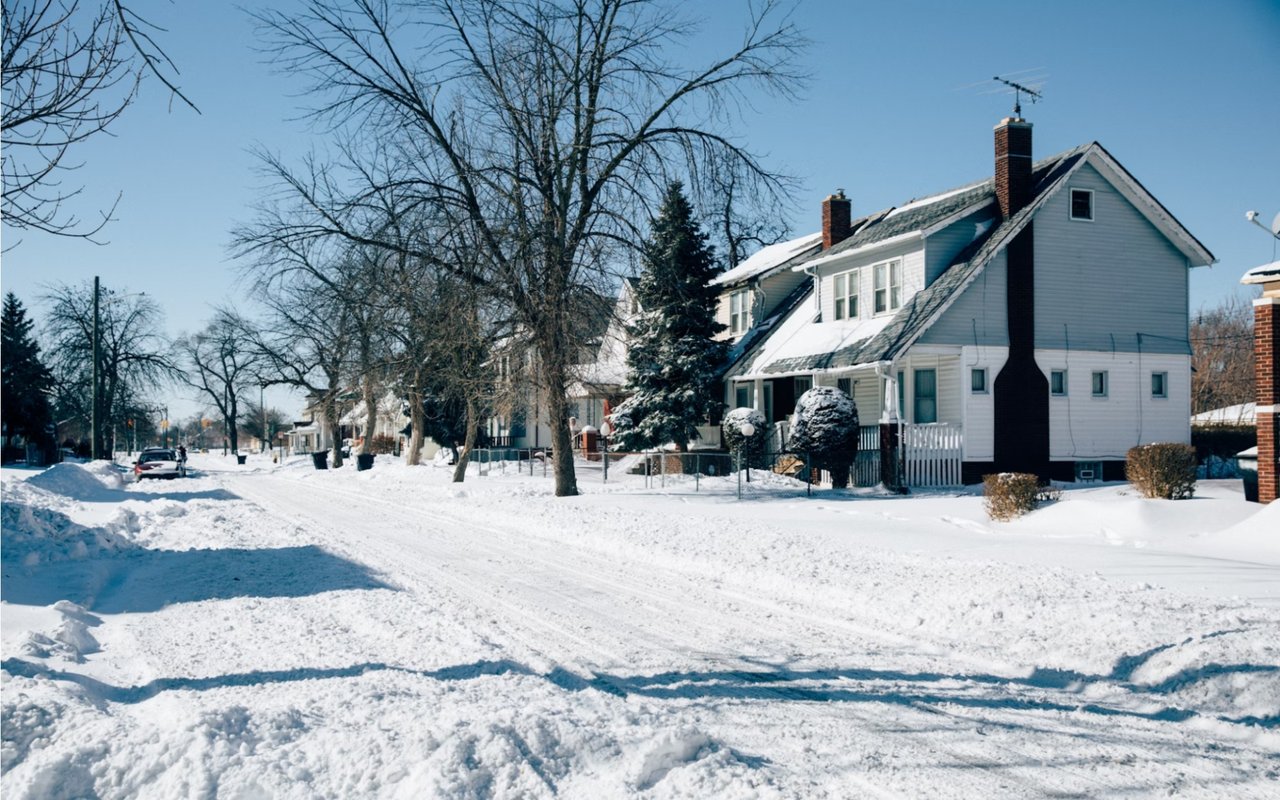
- Michigan winters and renovation timelines: Michigan's climate creates genuine seasonal constraints, with harsh winters capable of delaying exterior work and driving up material and labor costs, while summers see increased demand for contractors
Getting the financing structure, the holding cost calculation, and the renovation timeline right from the start is the foundation that determines whether a Grand Rapids flip generates the returns the market is capable of delivering.
FAQs
What gross profit can flippers realistically expect from house flipping in Grand Rapids MI?
Michigan flippers earned an average gross profit of approximately $70,000 per flip in 2024, with some sources citing gross profit margins near 53 percent in Grand Rapids specifically, though these figures represent gross returns. Net returns vary significantly based on purchase price, renovation scope, and timeline, which is why running a complete cost analysis before committing to a purchase is non-negotiable.
How competitive is it to find distressed properties in Grand Rapids right now?
Grand Rapids is a tight inventory market, with only around 550 to 650 active listings at any given time, which means distressed and value-add properties attract real competition when they hit the MLS. Successful flippers in this market typically combine active MLS monitoring with direct mail campaigns, relationships with wholesalers, and participation in bank auctions to access opportunities before they are broadly available.
Are there specific property types that tend to produce better flip outcomes in Grand Rapids?
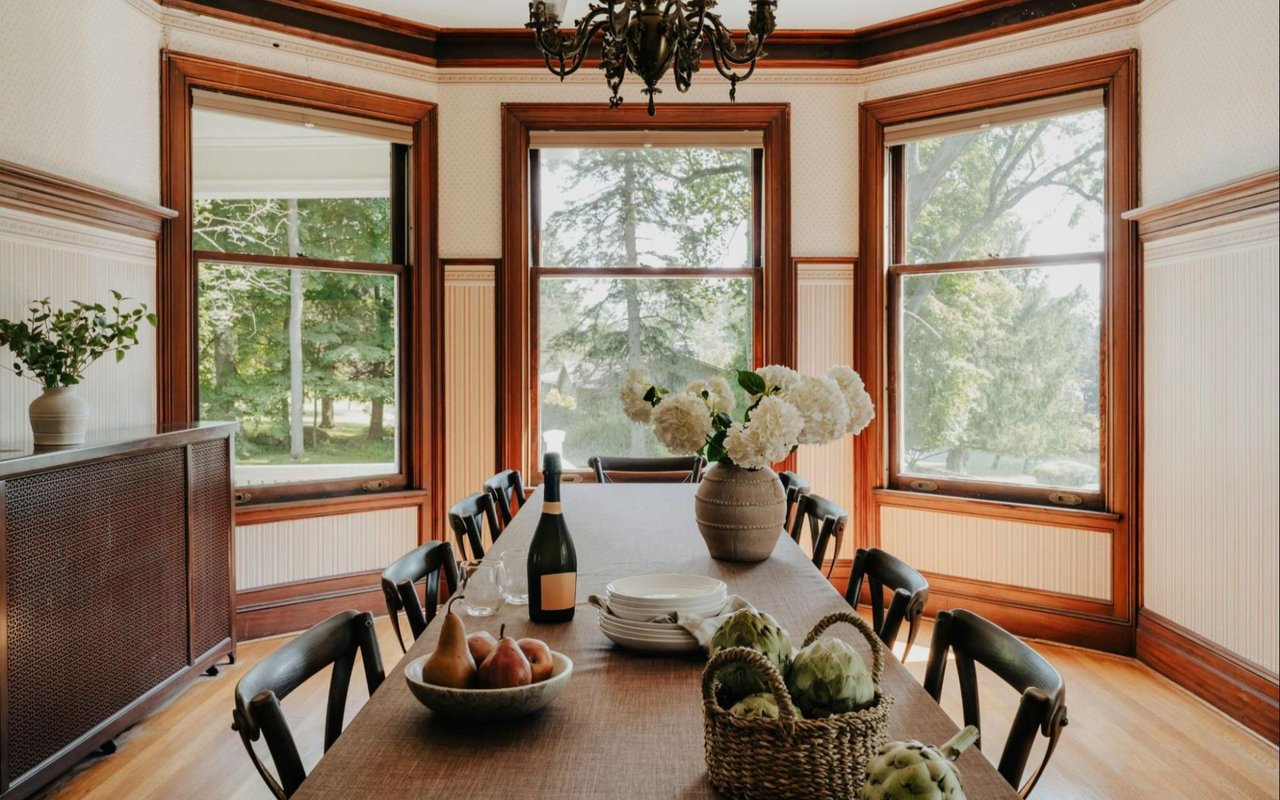
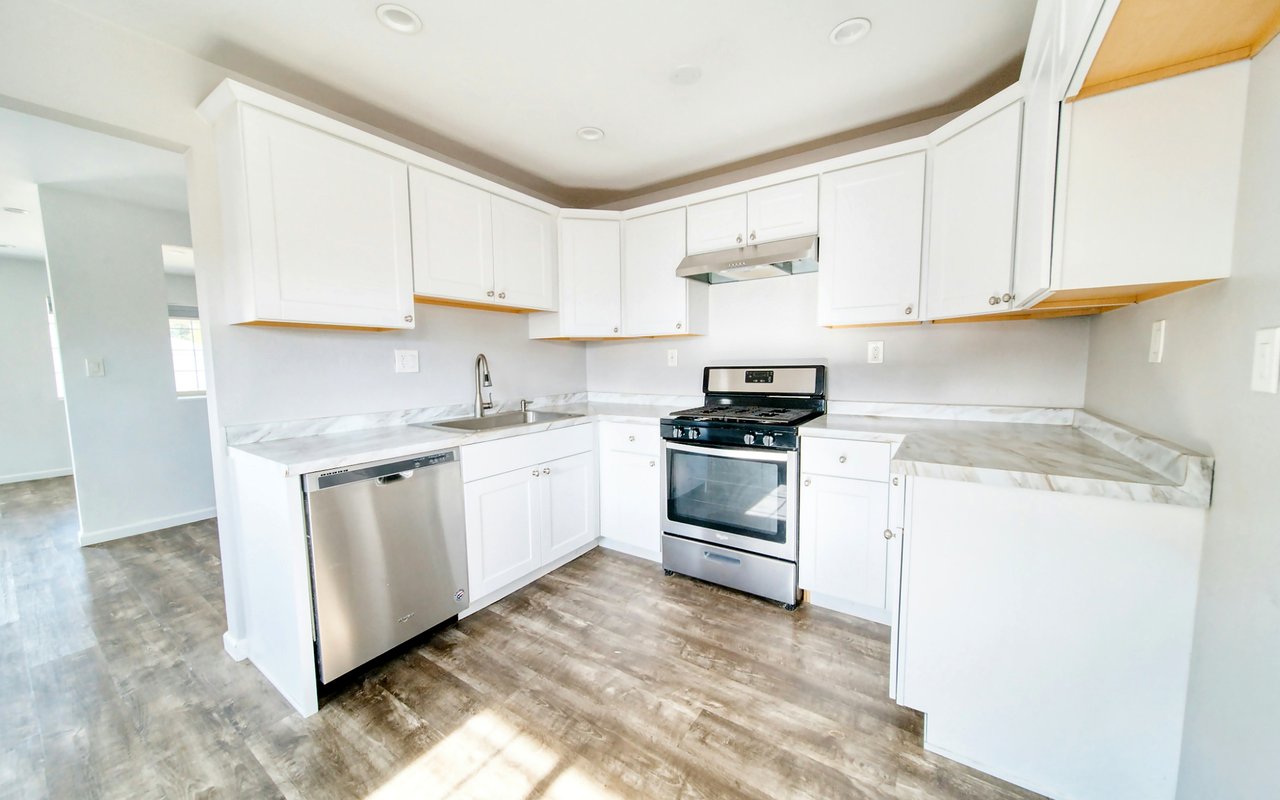
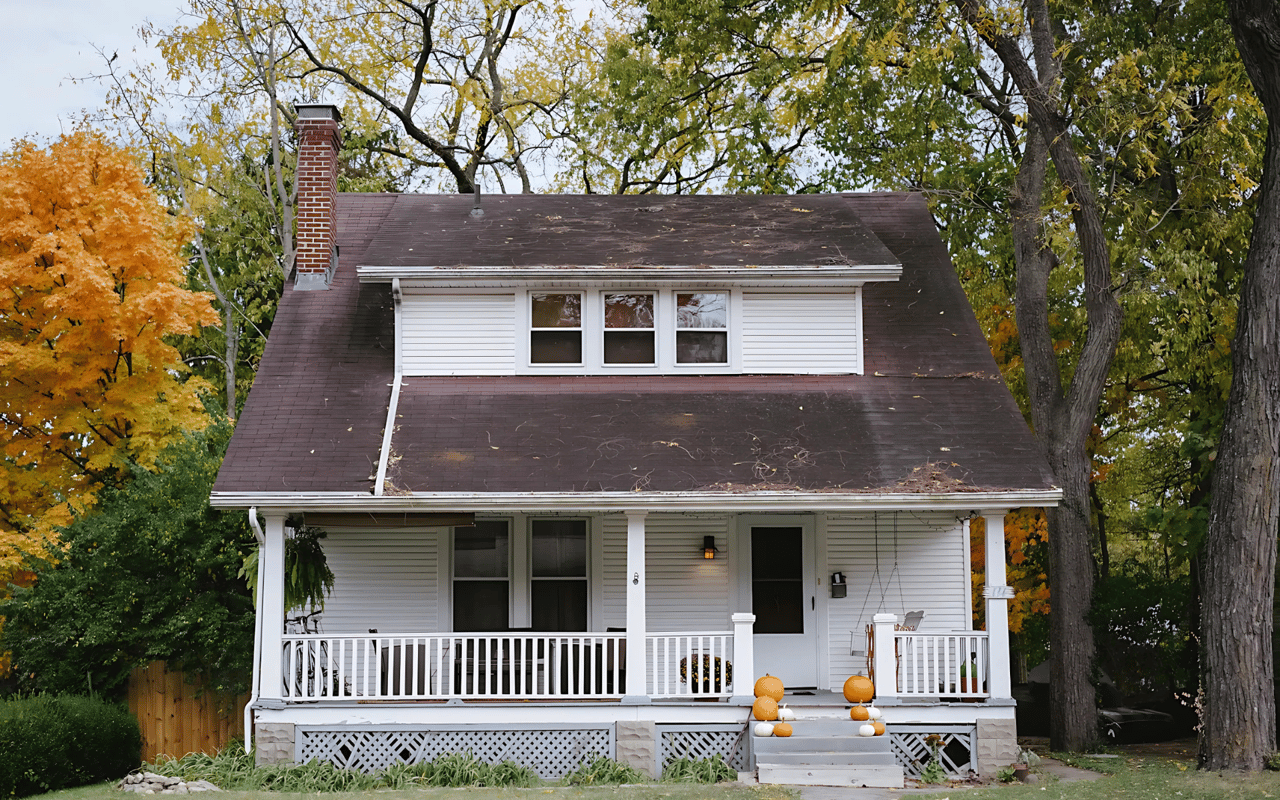
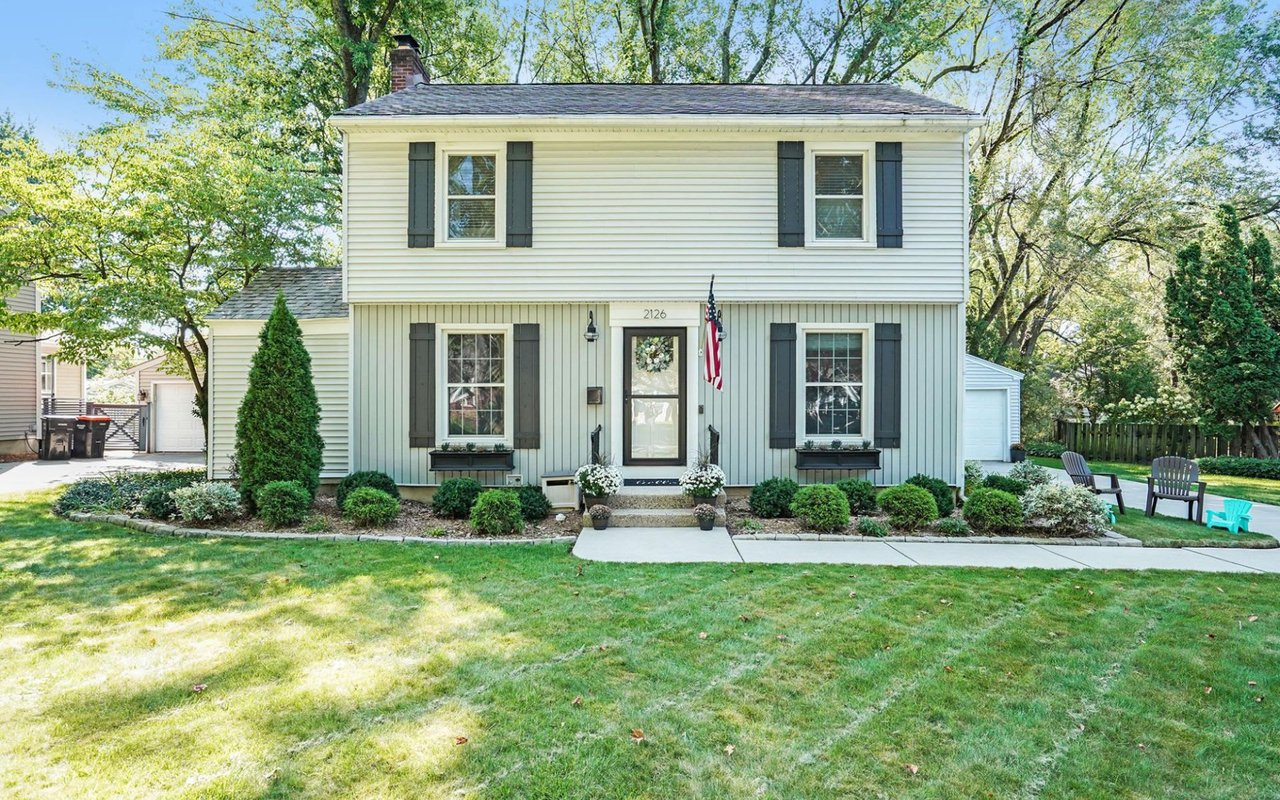
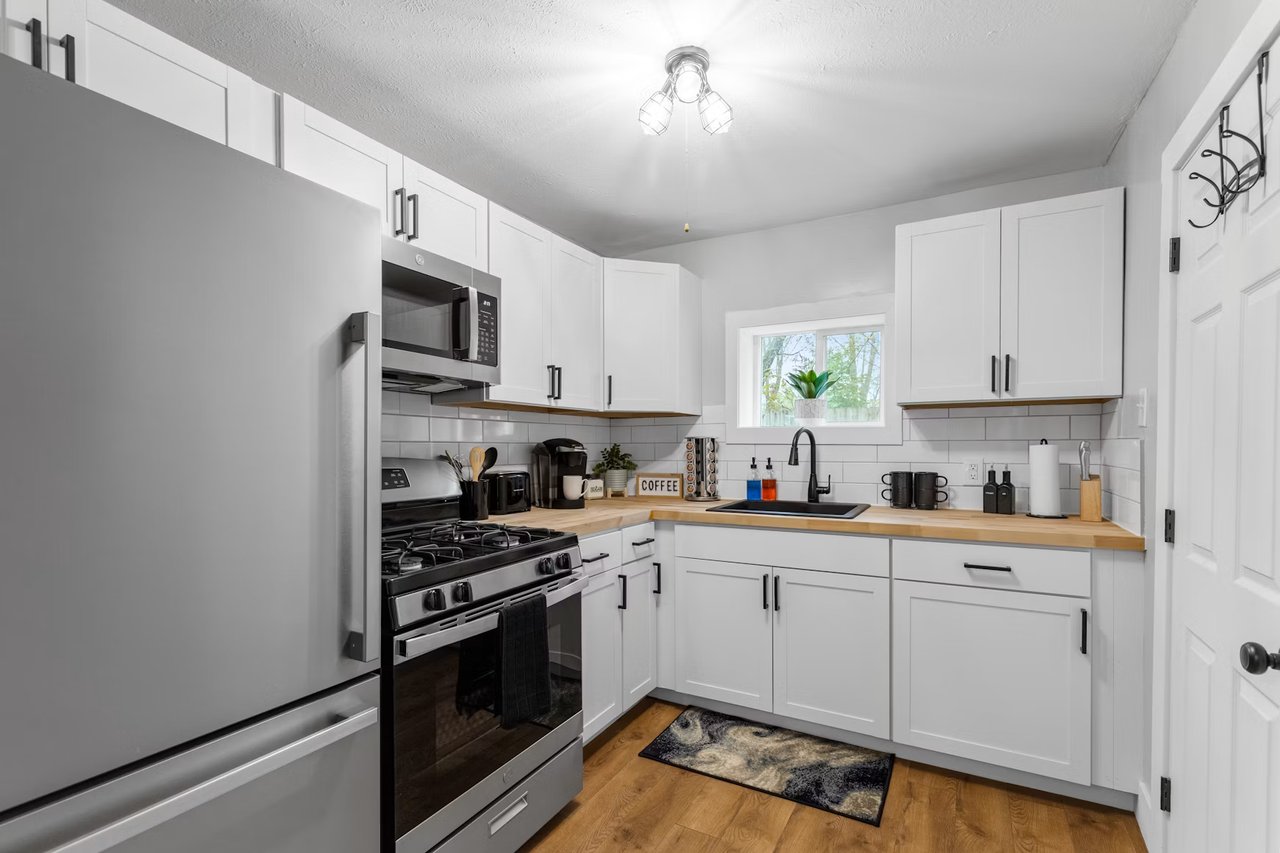
Historic homes with original architectural details tend to command a meaningful premium when renovated thoughtfully, particularly in East Side neighborhoods where buyers are specifically seeking that character. Ranch homes and mid-century properties in more suburban corridors appeal to a different buyer profile and can also produce strong returns when the renovation focuses on kitchen and bathroom updates and move-in readiness rather than architectural restoration.
Contact The Cheryl Grant Real Estate Team Today
House flipping in Grand Rapids MI is a genuine opportunity for investors who approach it with discipline, local knowledge, and a clear-eyed understanding of what the market actually rewards.
Whether you're evaluating your first flip or looking to expand an existing portfolio in West Michigan, reach out to us at The Cheryl Grant Real Estate Team and let's build a strategy that works for this market specifically.