By The Cheryl Grant Real Estate Team
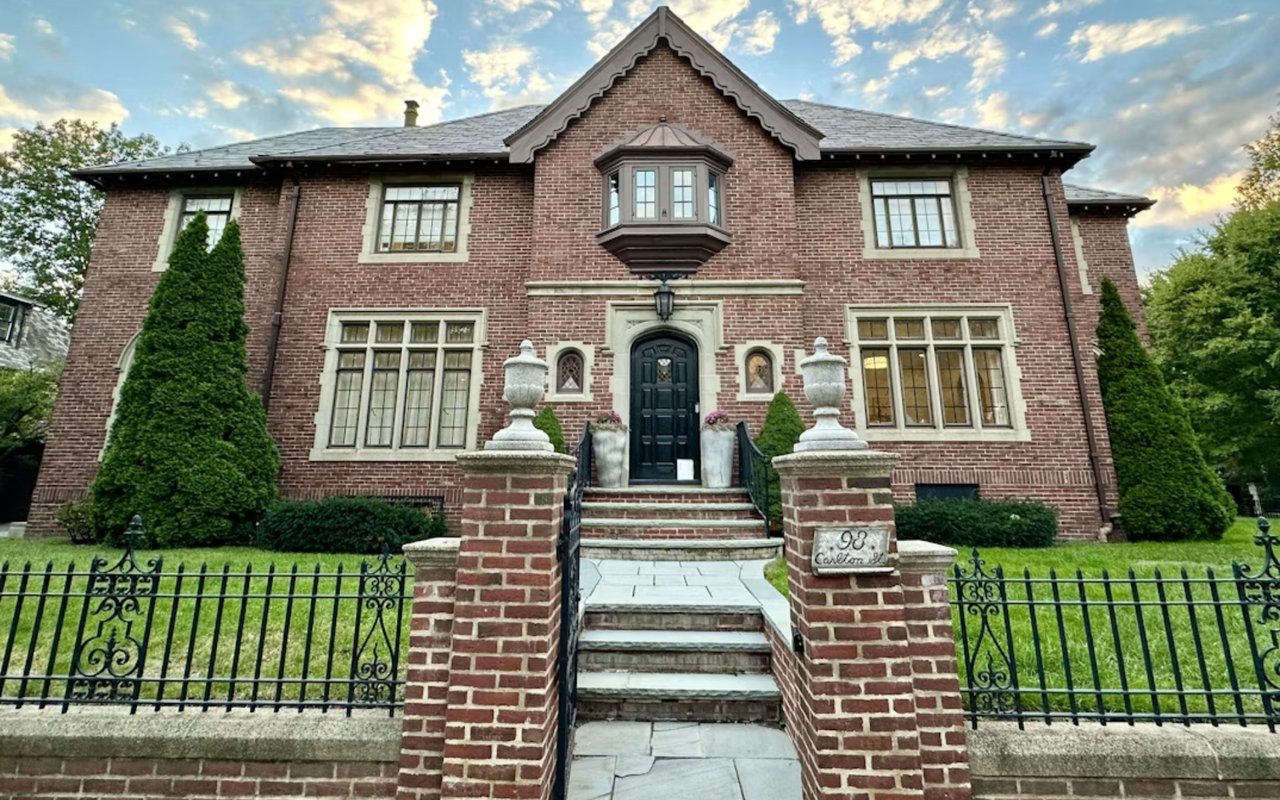
Grand Rapids homes span an exceptional range of architectural periods and styles, from Heritage Hill's restored Victorian estates and Prairie-style landmarks to the newer construction of East Grand Rapids and the converted industrial lofts of Eastown. Renovating any of them well means respecting what the home already offers while reworking it in ways that add genuine value. The remodeling decisions that hold up in this market are the ones made with both the home's character and the buyer's eventual expectations in mind.
Key Takeaways
- Learn how to approach kitchen renovations in Grand Rapids homes in a way that suits both the local design culture and the specific architecture of the property.
- Discover which basement finishing projects deliver the strongest return in Michigan's market, where usable lower-level space is a consistent buyer priority.
- Find out how to handle historic renovation considerations in Heritage Hill and other Grand Rapids neighborhoods where preservation matters.
- Understand which mechanical and systems upgrades signal quality to buyers and which ones protect value in Michigan's demanding four-season climate.
Kitchens
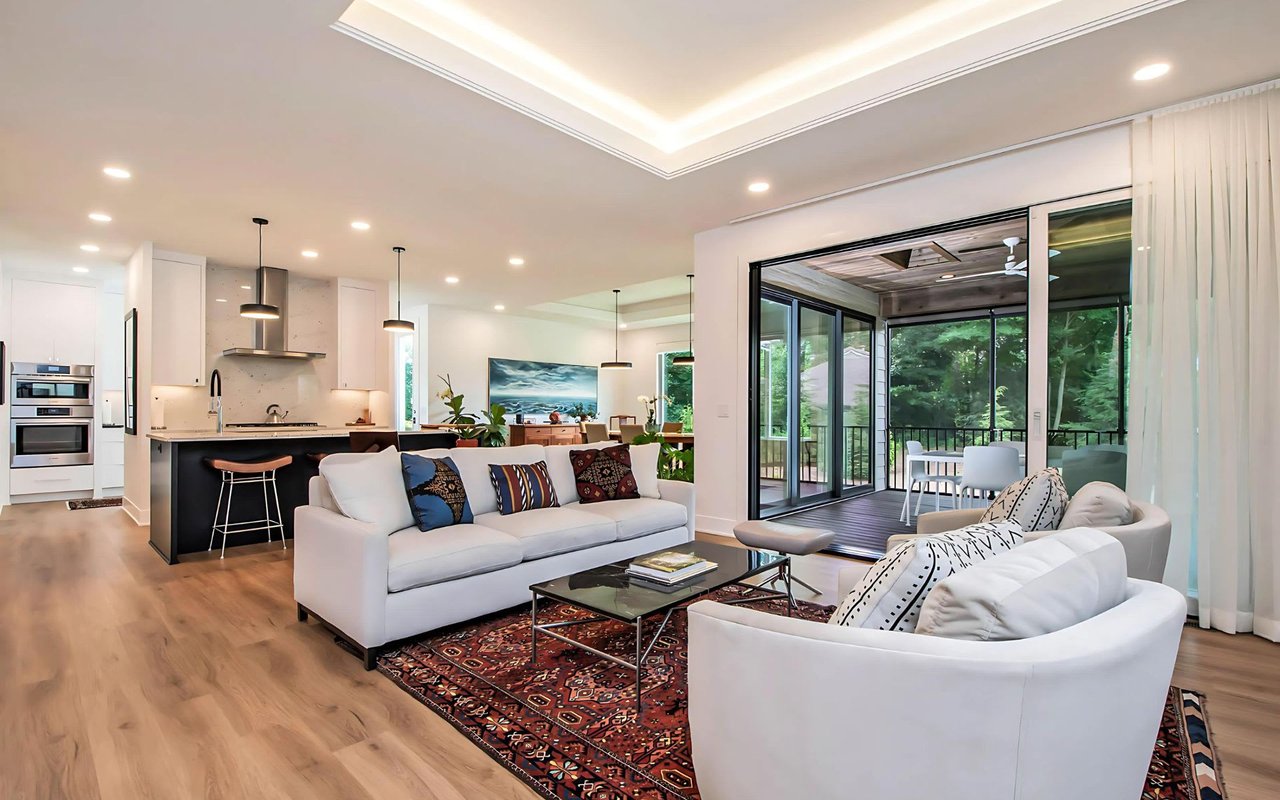
The kitchen is the room buyers evaluate most carefully in a Grand Rapids home, and the renovations that perform best here reflect the city's design sensibility: functional, well-made, and grounded in natural materials rather than trend-driven finishes.
What a Grand Rapids Kitchen Renovation Should Prioritize
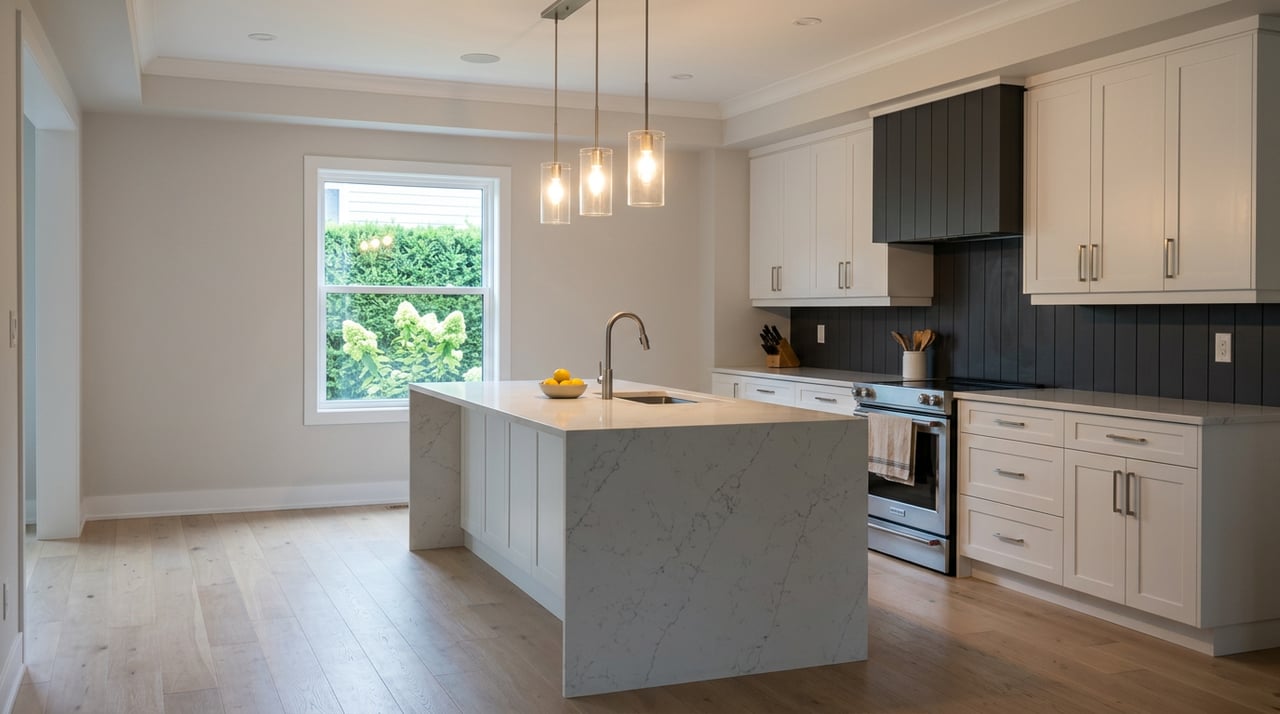
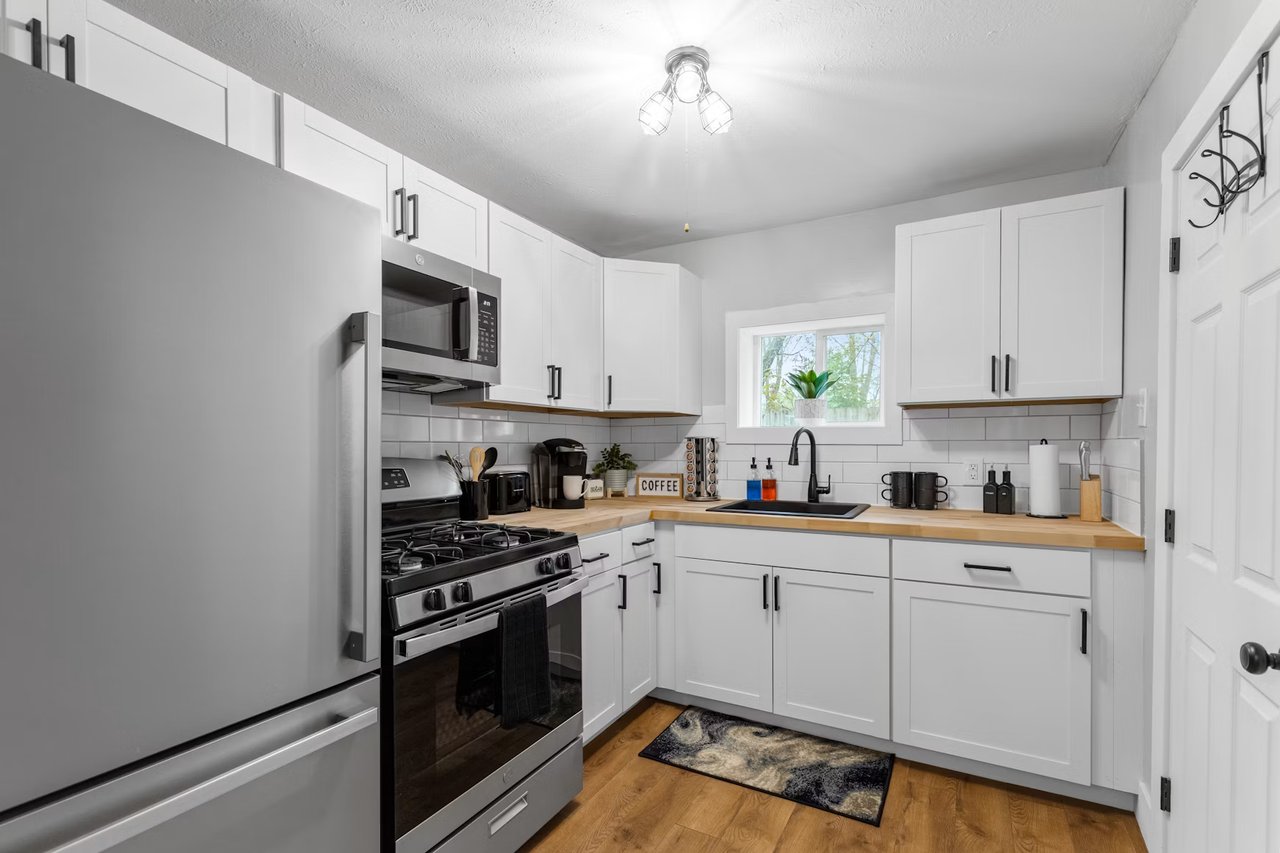
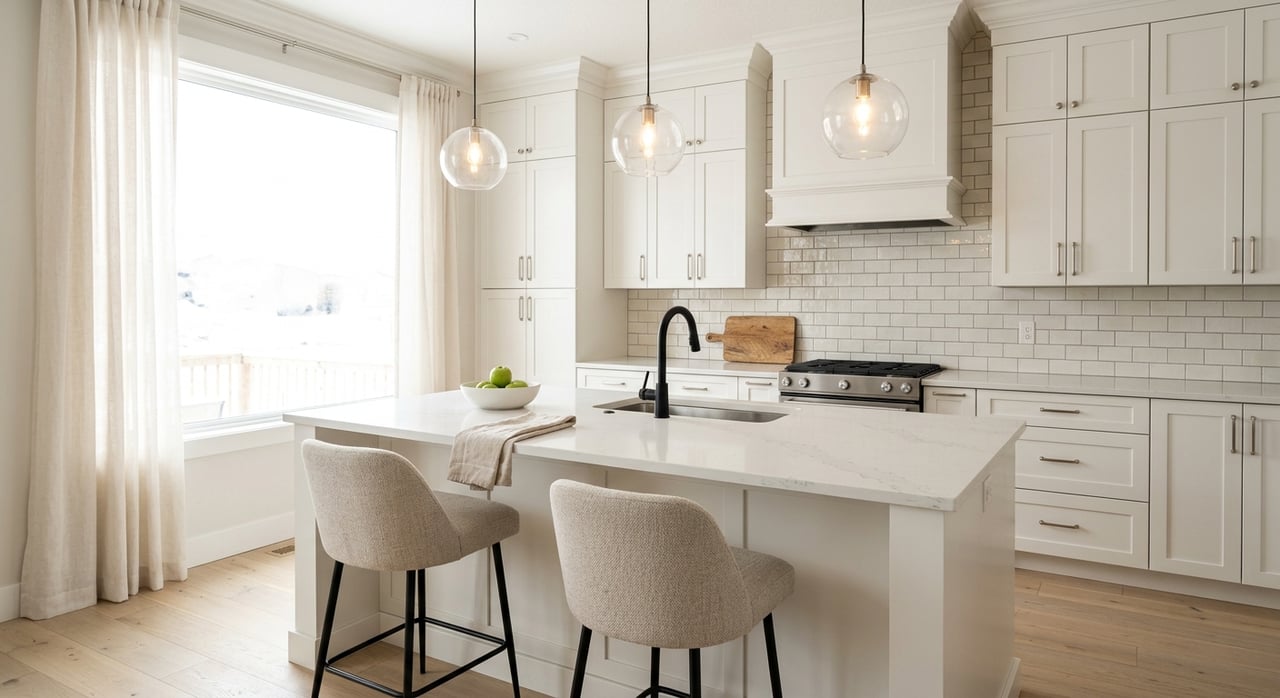
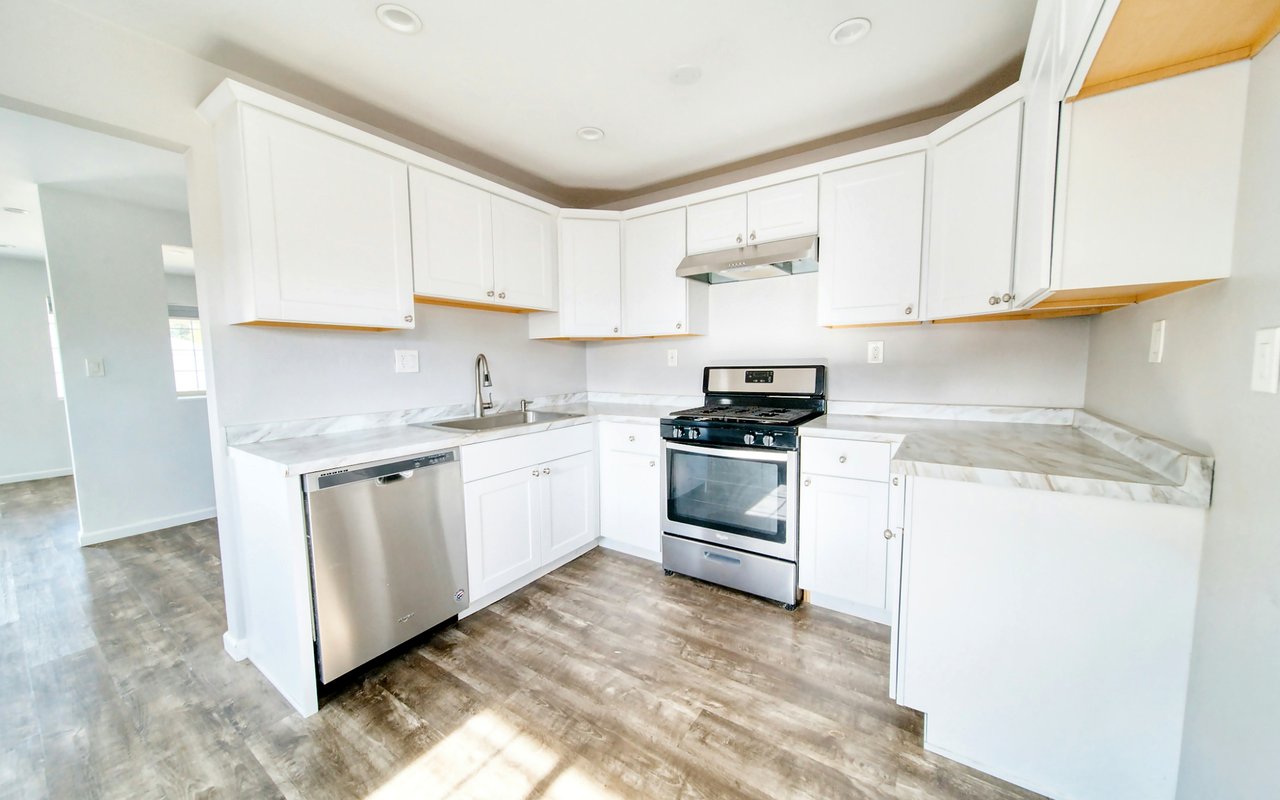
- Cabinetry in clean whites, warm creams, or natural wood tones with quality hardware suits both the historic properties of Heritage Hill and the newer builds of East Grand Rapids without dating quickly.
- Stone countertops in honed or leathered finishes, including quartzite, soapstone, and quartz, hold their visual appeal across the range of Grand Rapids architectural contexts and age well in high-use kitchens.
- Open shelving in a kitchen with strong architectural bones, particularly in Craftsman and Arts and Crafts homes, allows original woodwork and millwork details to remain visible rather than being boxed in by upper cabinets.
- Updated appliances in a cohesive finish signal a maintained, move-in-ready kitchen to buyers, and in a competitive Grand Rapids market that signal matters from the first showing.
Basements
Michigan's four-season climate and the prevalence of full basements in Grand Rapids' housing stock make basement finishing one of the highest-return renovation categories available in this market. A finished basement adds usable square footage, and usable square footage is what buyers count.
How to Finish a Grand Rapids Basement Effectively
- Egress windows are a required addition when converting a basement bedroom, and they also significantly improve natural light and ventilation in any finished lower-level space.
- Waterproofing and moisture management should be addressed before any finish work begins, particularly in older Heritage Hill and Eastown homes where foundation perimeter drainage may need attention.
- A dedicated laundry area, a full bathroom, and a flexible open living space are the three basement elements that most consistently add buyer-recognized value in the Grand Rapids market.
- Ceiling height matters enormously in a finished basement, and homes where the existing structure allows for eight-foot ceilings or higher should preserve every inch rather than dropping soffits unnecessarily around mechanical runs.
Historic Homes and Preservation
Grand Rapids has one of the largest urban historic districts in the country, and renovation decisions in Heritage Hill and other designated areas carry both preservation considerations and market implications. Buyers who seek historic homes are specifically looking for what makes them distinctive, and renovations that remove original character to create a generic contemporary interior typically reduce a property's appeal to that buyer pool.
What Historic Grand Rapids Homeowners Need to Know
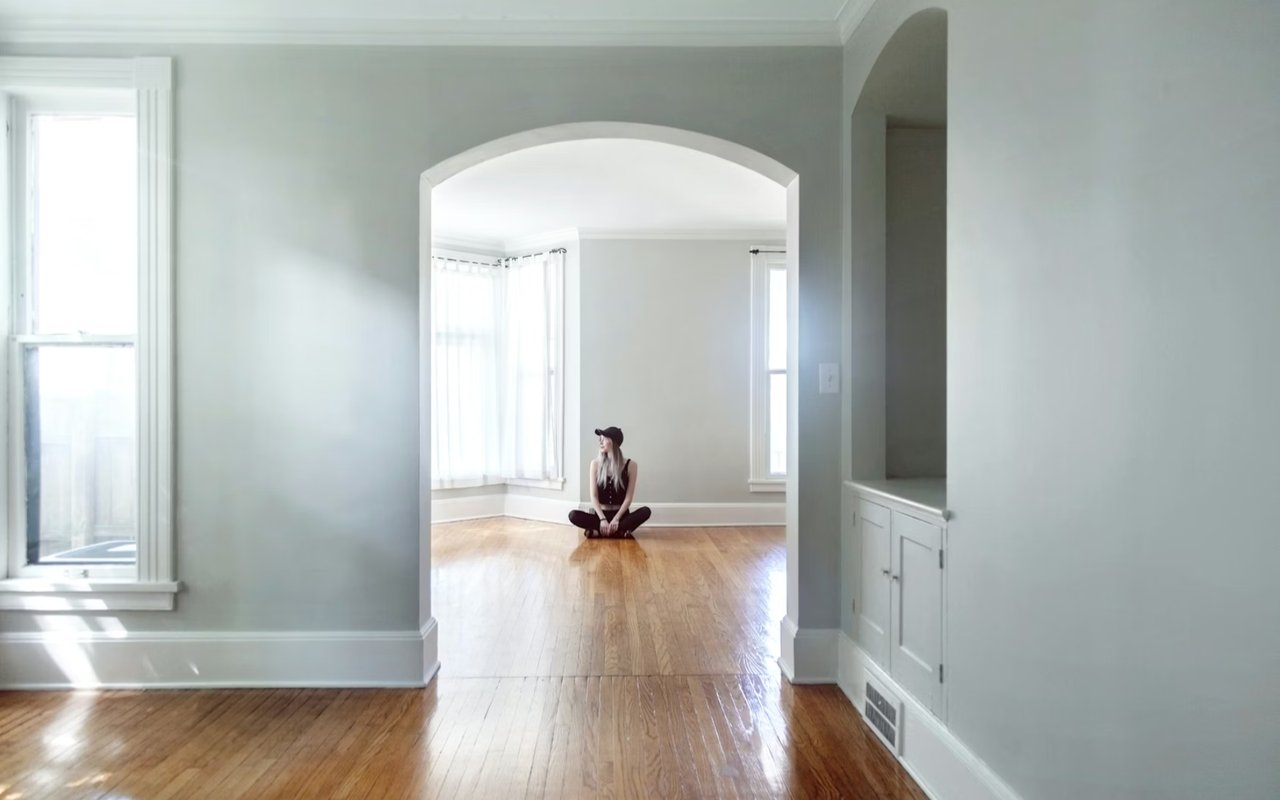
- Original hardwood floors, plaster moldings, built-in cabinetry, and period millwork are the features that buyers in Heritage Hill and similar neighborhoods specifically seek, and restoring them delivers a stronger return than replacing them.
- Exterior alterations in designated historic districts require review and approval before work begins, and working with a contractor experienced in Heritage Hill's specific requirements avoids the delays and costs of non-compliant work.
- Kitchen and bathroom renovations in historic homes perform best when the material palette connects to the building's period rather than imposing a contemporary aesthetic that reads as incongruous with the surrounding architecture.
- The Frank Lloyd Wright Meyer May House in Heritage Hill is a reference point for how Prairie-style design looks when executed with integrity, and owners of Prairie-style homes in the neighborhood benefit from understanding that standard before making interior renovation decisions.
Mechanical Systems and Energy Efficiency
Michigan's winters are demanding, and buyers evaluating Grand Rapids properties ask about mechanical systems early in the showing process. Updating heating, cooling, and insulation before listing removes a common negotiating point and signals to buyers that the home has been maintained at the level its price point demands.
The Mechanical Investments Worth Making
- A high-efficiency furnace and central air conditioning system, particularly in older homes that have not been updated since the 1990s, addresses the first concern most buyers raise during a Grand Rapids home inspection.
- Attic insulation upgrades are among the highest-return mechanical investments available in Michigan, where heating costs are significant and buyers evaluate energy performance as a practical ownership expense.
- Updated electrical panels in pre-1970 homes address a concern that inspectors flag consistently and that can complicate financing when left unresolved before listing.
- A whole-house water filtration system is an increasingly requested feature in Grand Rapids, where municipal water quality has been a topic of attention, and it is a low-cost installation relative to the buyer confidence it provides.
Frequently Asked Questions
What is the most common remodeling mistake Grand Rapids sellers make before listing?
Renovating to a standard that exceeds the neighborhood's price ceiling. A renovation investment that makes financial sense in a Heritage Hill estate may not return its cost in an Eastown bungalow at a lower price point. Understanding the ceiling for comparable properties in the specific neighborhood before committing to a renovation budget is a conversation worth having with a local agent before breaking ground.
Should I restore original features or update them in a Heritage Hill home?
Restore. Buyers in Heritage Hill are specifically seeking architectural character, and original hardwood floors, plaster moldings, and period millwork in good condition are features that command premiums rather than requiring apologies. The exception is mechanical and systems components, where modern performance expectations take precedence over period authenticity.
How much does a finished basement add to value in Grand Rapids?
A well-finished basement with proper egress, a bathroom, and quality finishes consistently adds meaningful value in the Grand Rapids market, where buyers factor total usable square footage into their per-square-foot calculations. The return depends on the finish quality, ceiling height, and whether the space was properly moisture-managed before the finish work was done.
Renovate With the Grand Rapids Market in Mind
The remodeling decisions that add lasting value in Grand Rapids are the ones made with the right buyer in mind and the right understanding of what the specific home and neighborhood demand. We work with buyers and sellers throughout Grand Rapids and bring detailed market knowledge to every pre-sale conversation, from identifying which improvements will move the needle to advising clients on where to focus their renovation budget for the strongest return.
When renovation planning and a future sale intersect, The Cheryl Grant Real Estate Team is the right team to call first.
When renovation planning and a future sale intersect, The Cheryl Grant Real Estate Team is the right team to call first.