By The Cheryl Grant Real Estate Team
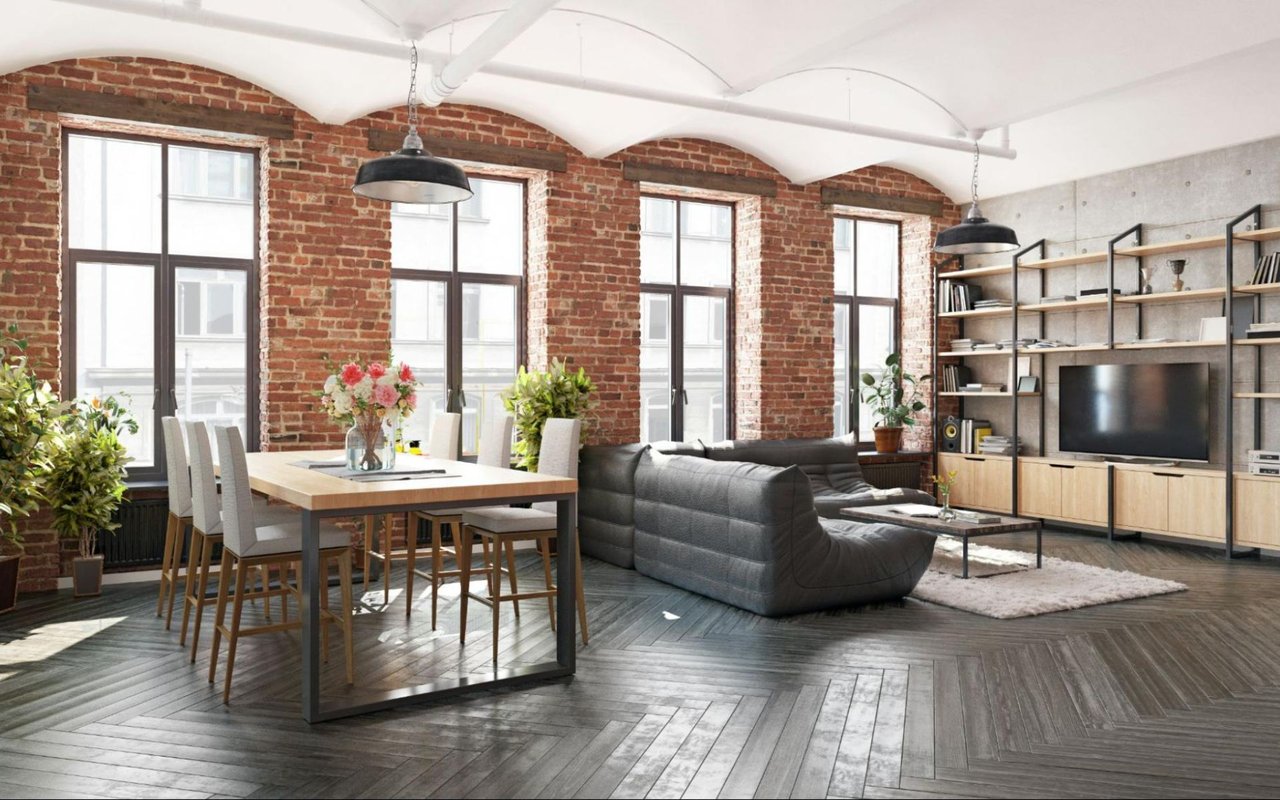
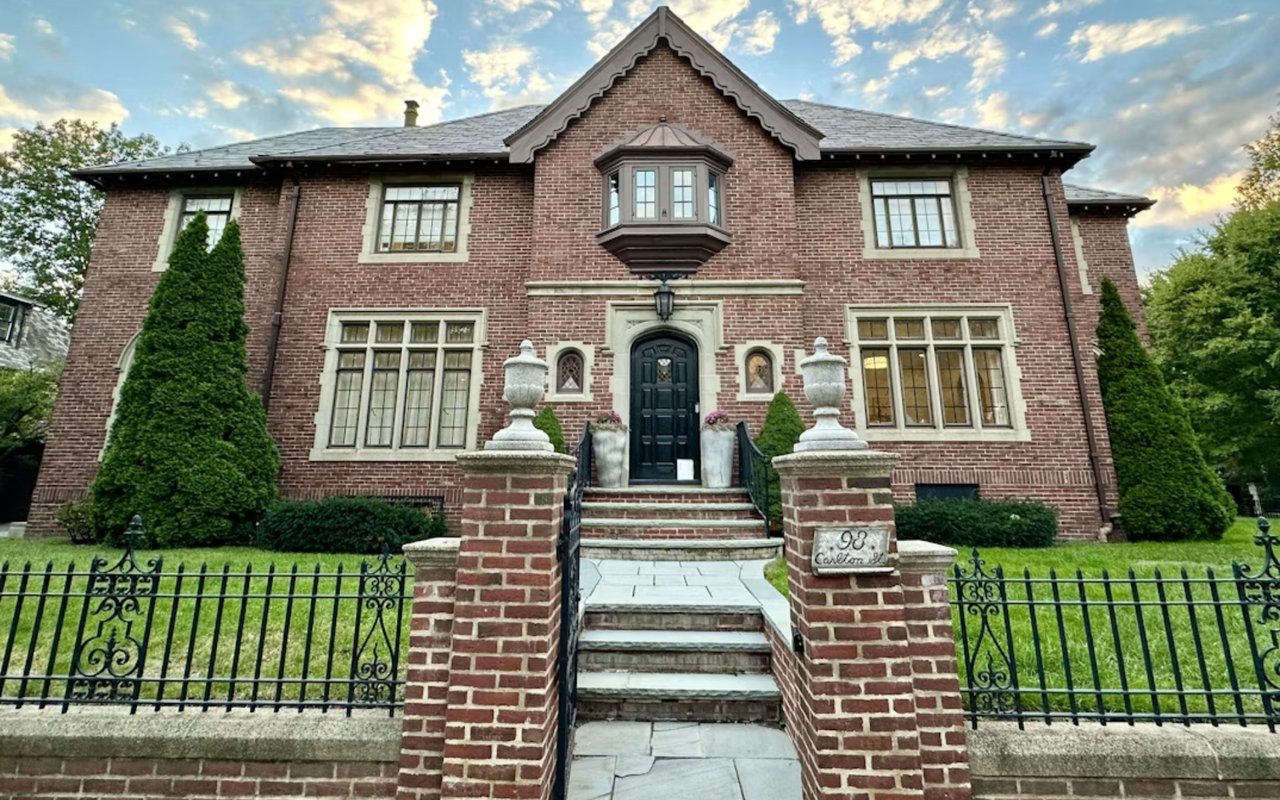
Grand Rapids has a design heritage unlike any other mid-size American city. The birthplace of Herman Miller, Steelcase, and Knoll, the city helped define modern furniture design for the entire 20th century, and that tradition of thoughtful, functional design is woven into the fabric of the community. Whether you own a Craftsman bungalow in Heritage Hill, a contemporary build in East Grand Rapids, or a renovated loft in Eastown, there is a design approach that suits your home's bones and your own sense of how you want to live in it.
Key Takeaways
- Discover how Grand Rapids' furniture manufacturing heritage connects to mid-century modern and Scandinavian design styles that feel native to the city.
- Learn which interior design approaches suit Heritage Hill's diverse historic architecture, from Craftsman bungalows to Queen Anne Victorians and Italianate estates.
- Find out how contemporary and transitional styles translate into Grand Rapids' newer construction and renovated homes across East Grand Rapids and Eastown.
- Understand how interior design choices affect a home's value and appeal in the Grand Rapids real estate market.
Mid-Century Modern
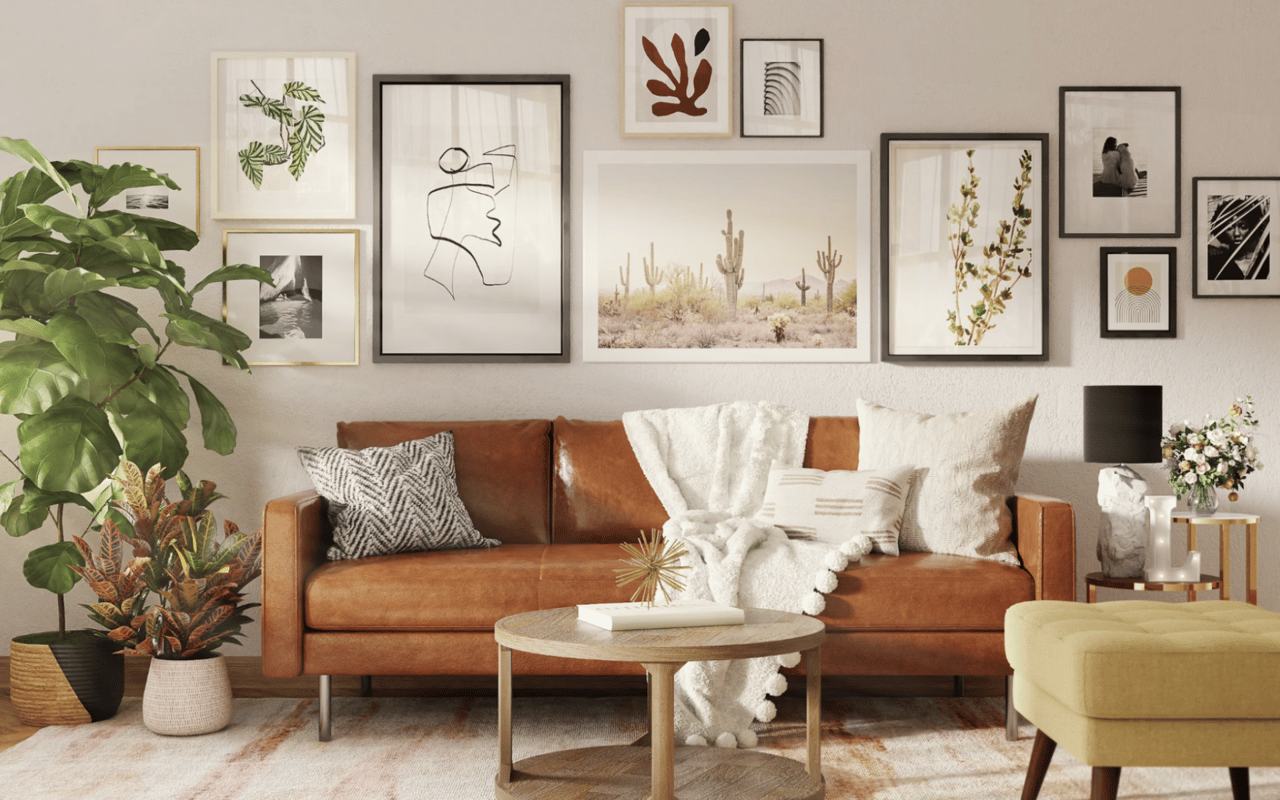
Given Grand Rapids' role as the Furniture Capital of the World, mid-century modern is perhaps the most natural design style for a home in this city. The clean lines, functional forms, and warm wood tones that define the style connect directly to the design philosophy that Herman Miller and Steelcase helped establish, and the aesthetic translates well into a range of home types across the metro.
How to Execute Mid-Century Modern in a Grand Rapids Home
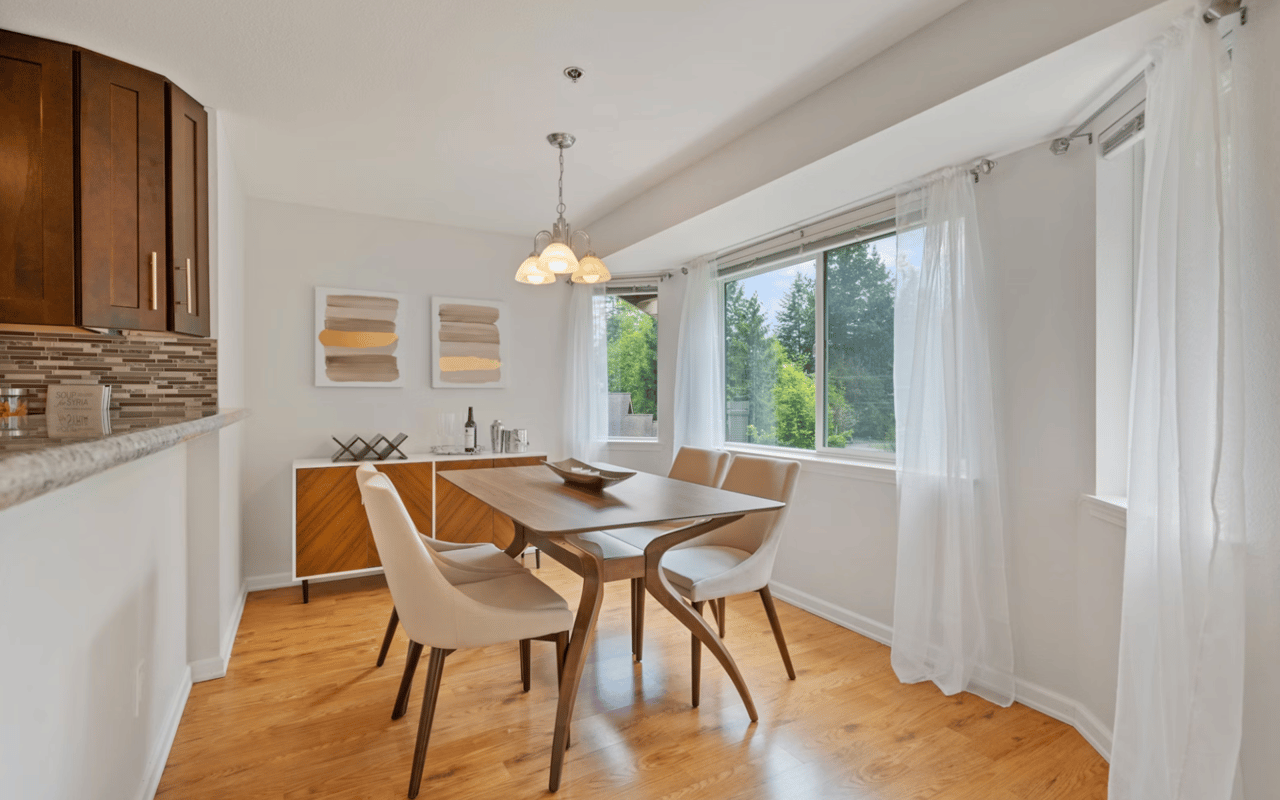
- Clean-lined furniture with tapered legs, organic forms, and quality materials, including walnut, teak, and molded plywood, create the foundation of the style without requiring a full renovation.
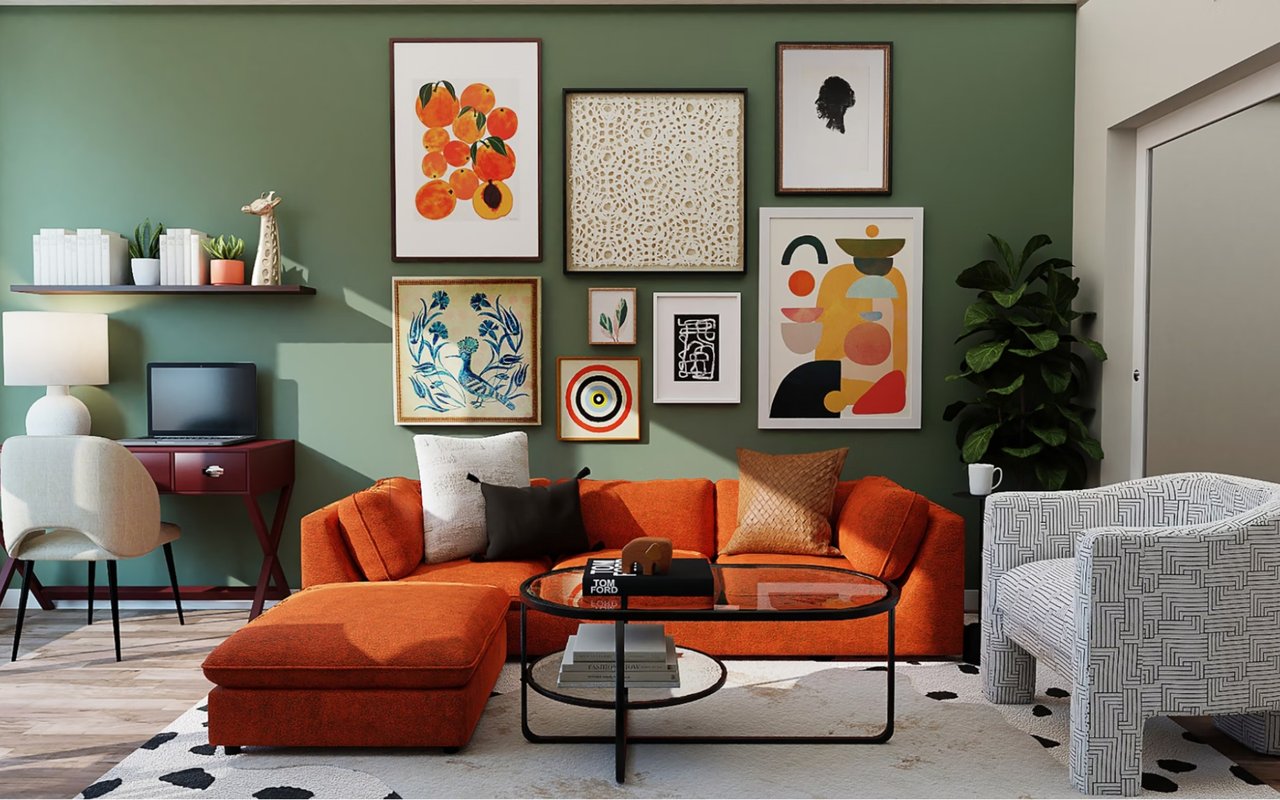
- A palette of warm neutrals anchored by a single bold accent, including mustard, olive, or burnt orange, delivers the color character that distinguishes mid-century interiors from generic contemporary design.
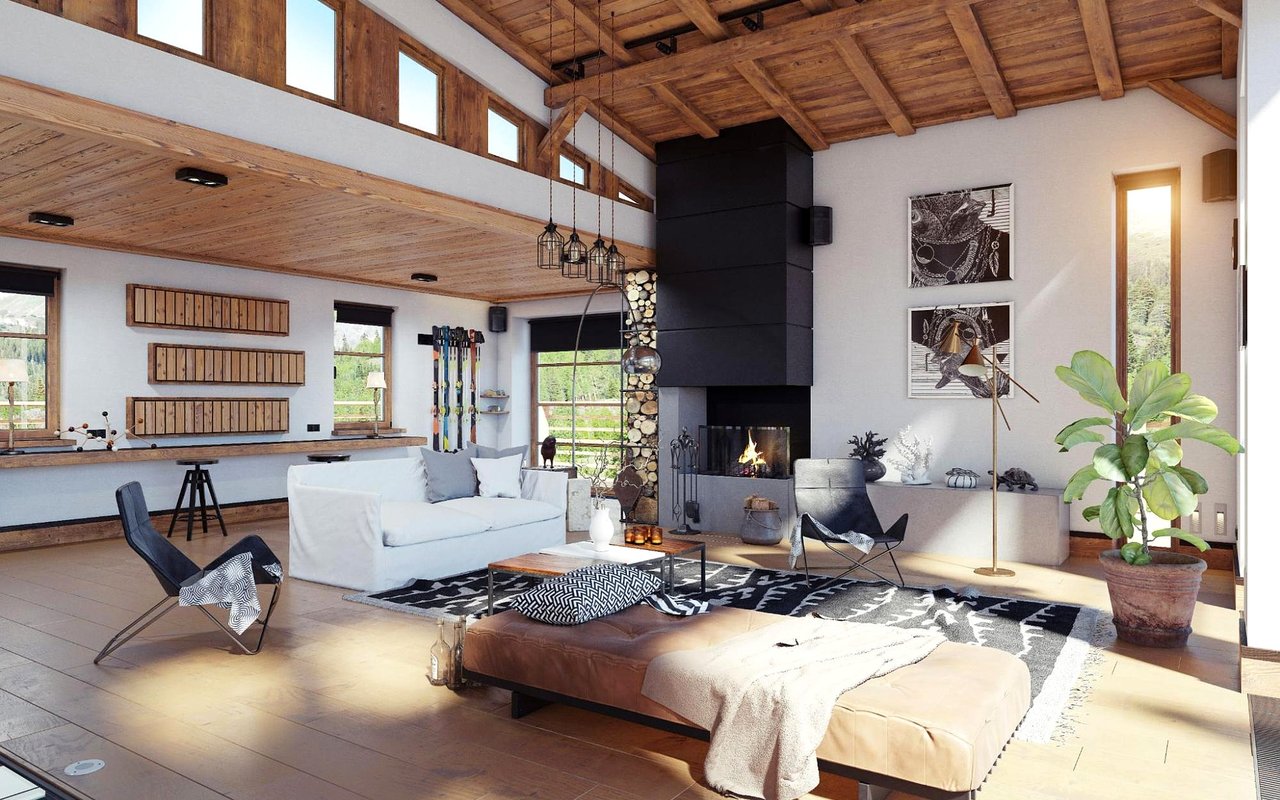
- Statement lighting is central to the style, and a sculptural pendant or arc floor lamp in a main living area does more to establish the aesthetic than almost any other single purchase.
- Pairing original mid-century pieces with contemporary interpretations keeps the style feeling current rather than like a period recreation.
In a city with such deep roots in furniture design, mid-century modern reads as genuinely connected to Grand Rapids rather than imported from a design trend cycle.
Craftsman and Arts and Crafts
Heritage Hill alone contains hundreds of Craftsman and Arts and Crafts homes, and the design vocabulary of those architectural styles translates directly into interior choices that feel cohesive and considered. The style rewards the homes that already have it built in and works equally well in newer construction where warmth and craft are the goal.
What Craftsman Style Looks Like Indoors
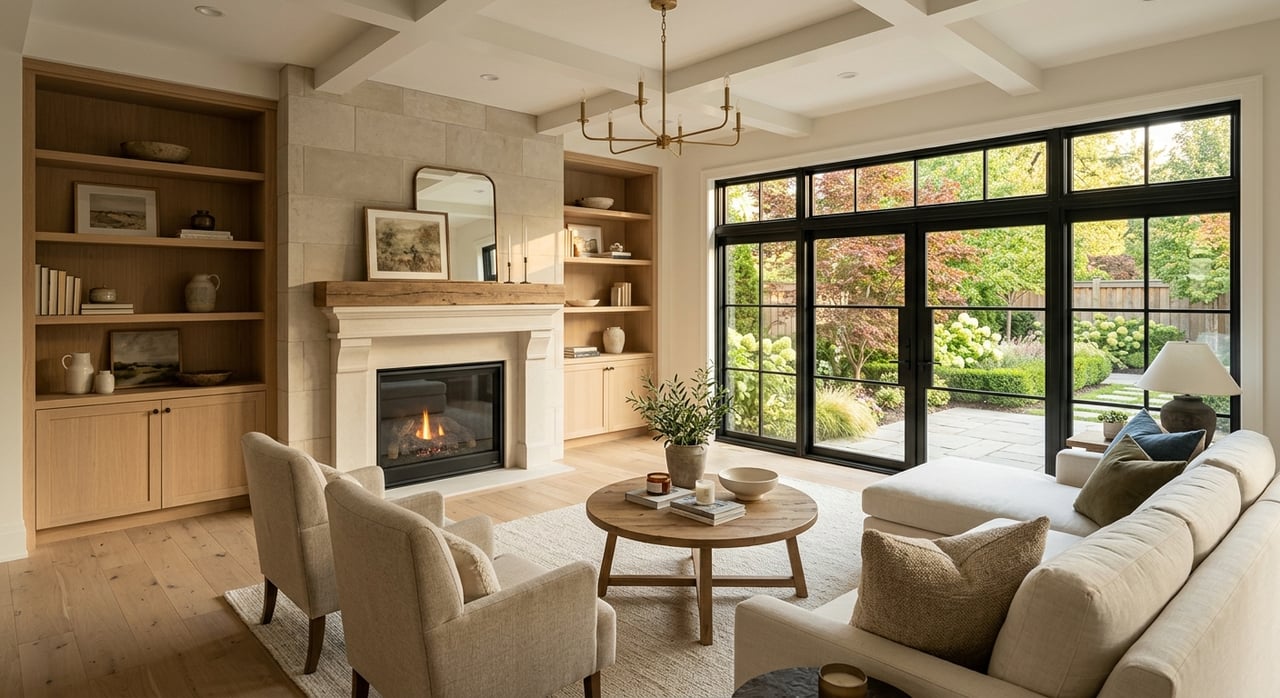
- Natural wood elements, including exposed beams, built-in bookshelves, and hardwood floors with warm stains, are the material foundation that both historic Craftsman homes and new builds can draw from.
- Earth tones rooted in the natural landscape, including forest greens, warm browns, clay, and cream, suit both the architectural character of Heritage Hill and the Michigan landscape visible through most windows.
- Handmade and artisan objects, including pottery, woven textiles, and hand-thrown ceramics, reinforce the Arts and Crafts philosophy that everyday objects should be beautiful as well as functional.
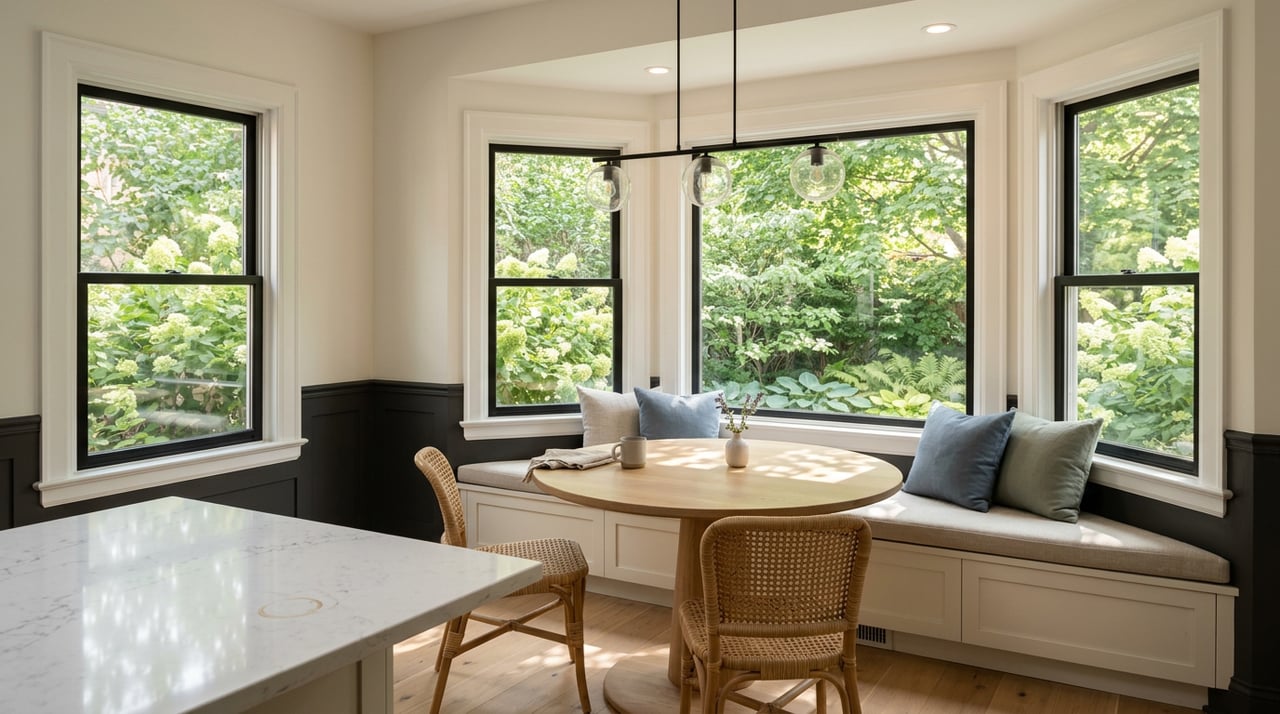
- Built-in furniture, including window seats, inglenooks, and shelving integrated into the wall, is as appropriate in a new Craftsman-inspired home as in a restored 1910 bungalow.
Grand Rapids has a strong artisan and maker community, and sourcing locally made objects for a Craftsman interior connects the home to the city's creative culture in a tangible way.
Luxury & Historic Woodcrafters
Grand Rapids didn't become the Furniture Capital of the World by accident — it was built on the work of craftsmen and companies whose standards for material quality and construction set a benchmark that still defines the city's design identity today.
Woodcrafters Local to Grand Rapids
- Kindel Grand Rapids: Founded in 1886, Kindel is known for high-end, handcrafted, made-to-order luxury furniture — and remains one of the few Grand Rapids makers still producing at that level today.
- Baker Furniture Company: Established in 1890 by Siebe Baker, the company became a pillar of high-quality historical reproduction and luxury home furnishings, with a catalog that influenced interior designers across the country for generations.
- Berkey & Gay Furniture Co.: Starting in 1861, Berkey & Gay grew to become one of the largest and most influential factories of the "Furniture City" era, a name nearly synonymous with the city's golden age of production.
Incorporating pieces from active makers like Kindel and Baker (or hunting for originals from storied predecessors like Widdicomb Furniture Company and Stickley Brothers, both now closed) grounds a Grand Rapids interior in the city's actual history rather than a generalized design trend, and that specificity is exactly what distinguishes a home with genuine character from one that's merely well-furnished.
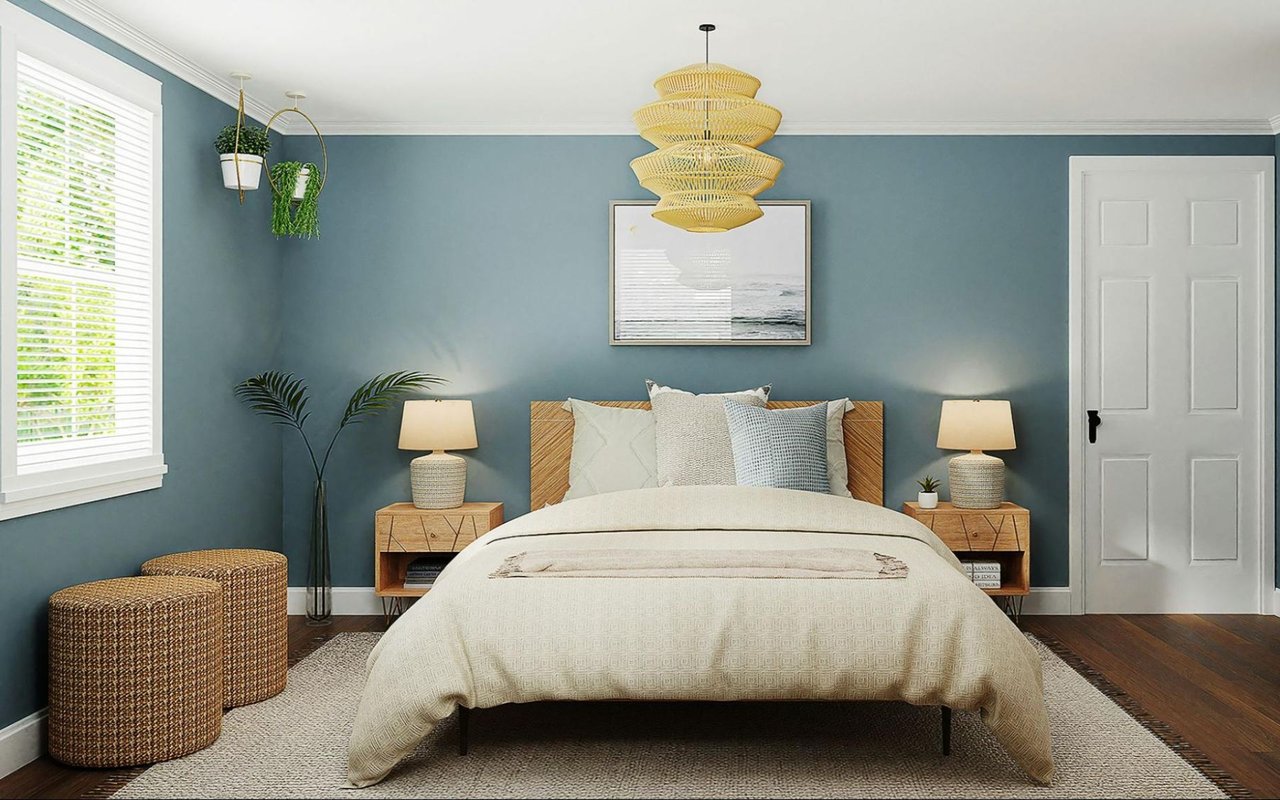
Scandinavian and Modern Minimalist
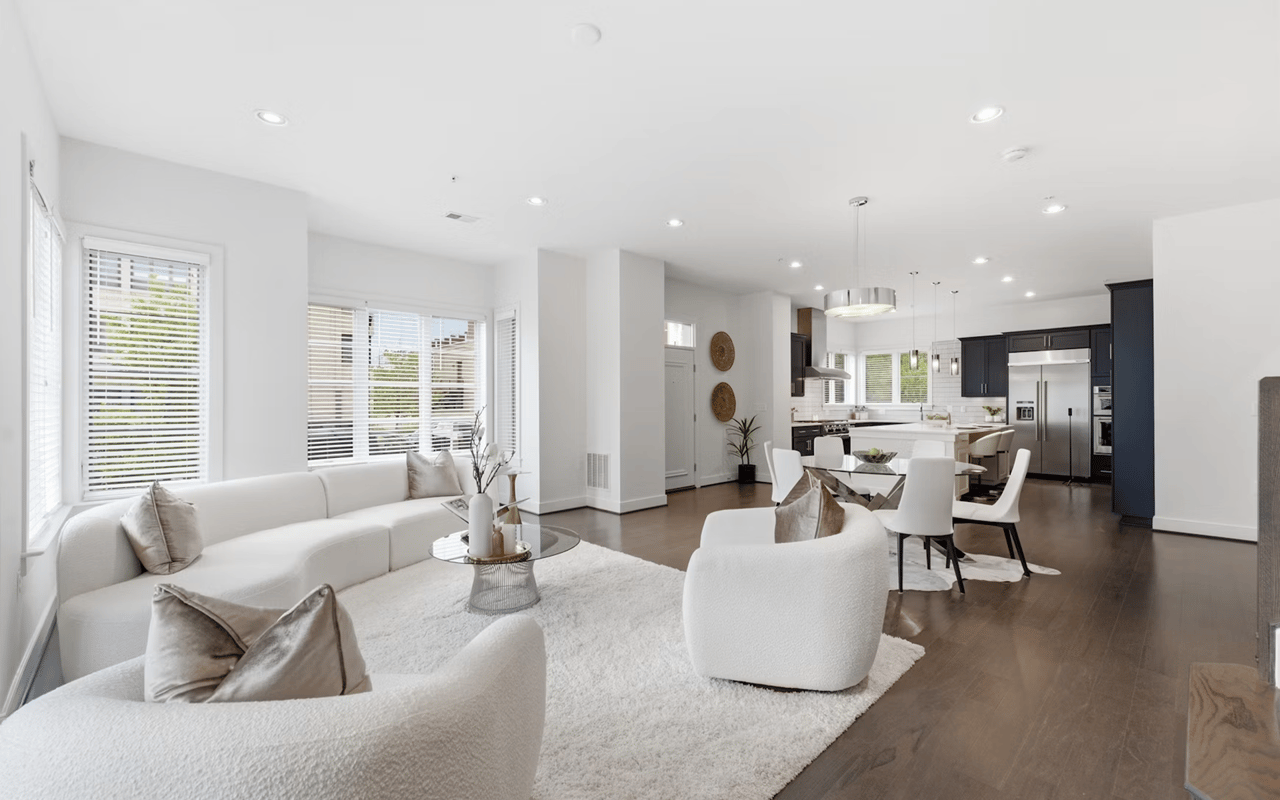
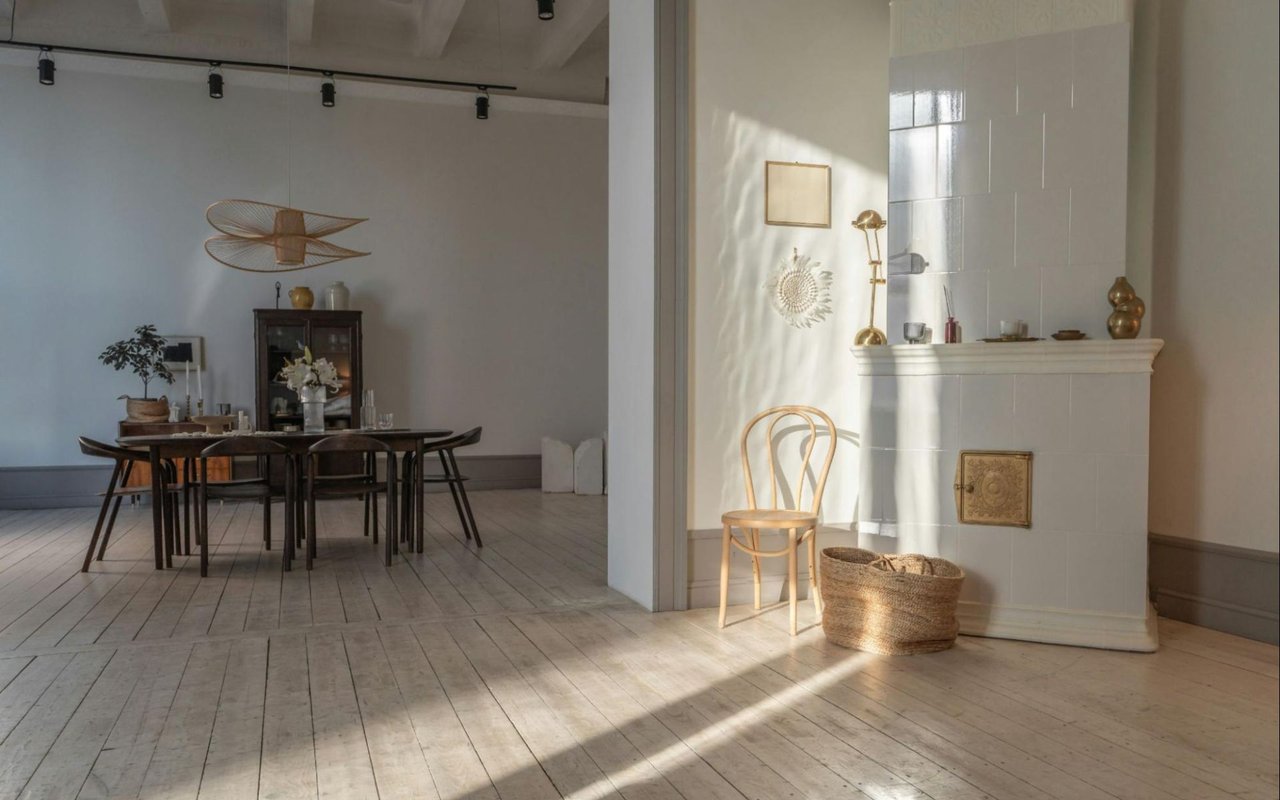
Grand Rapids' Dutch Reformed heritage gave the city a cultural affinity for simplicity, quality, and functional design that aligns naturally with Scandinavian and minimalist aesthetics. In newer construction and renovated homes across East Grand Rapids and the newer development corridors, this approach produces interiors that feel calm, considered, and durable over time.
How to Bring Scandinavian Style Into a Grand Rapids Home
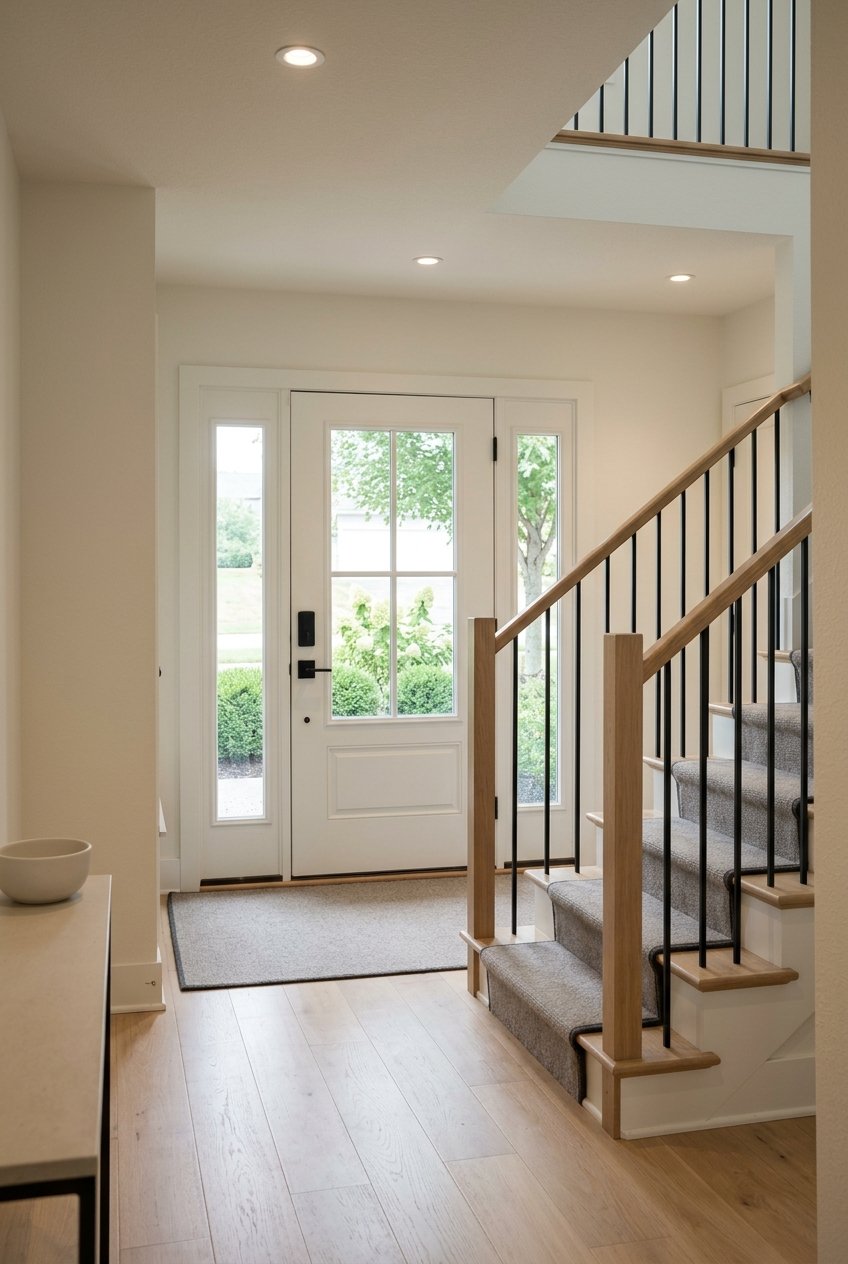
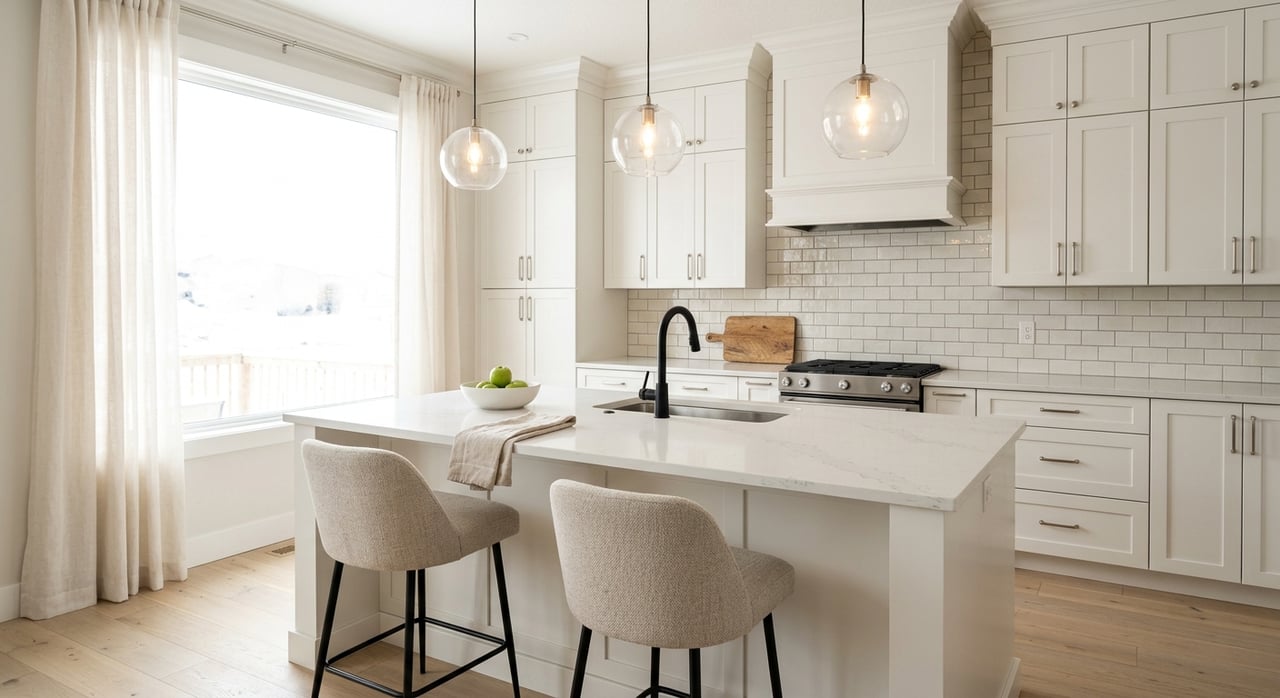
- A neutral foundation of whites, soft grays, and natural linen creates the light-filled backdrop that the style requires, particularly effective in Michigan's winter months when maximizing perceived brightness matters.
- Natural materials, including light oak, birch, rattan, and linen, bring warmth into a minimal palette without introducing visual complexity.
- Selective use of a single textural element, an oversized wool throw, a sheepskin rug, a ceramic table lamp, prevents the style from reading as cold or sterile.
- Negative space is as deliberate as the objects placed in it, and editing the home's contents to only what is genuinely used and appreciated is as important as any purchase.
The Scandinavian approach requires discipline in editing but rewards that discipline with an interior that feels consistently restful and easy to maintain.
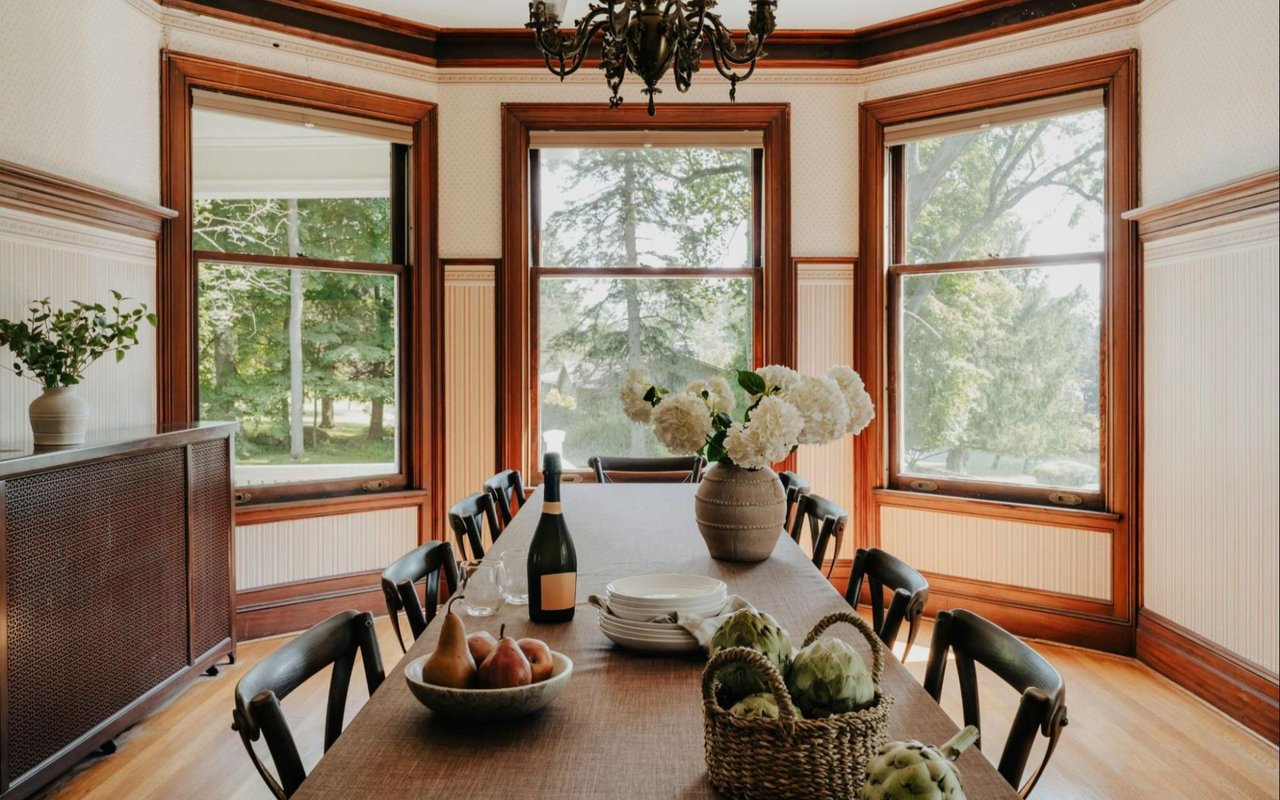
Transitional Style
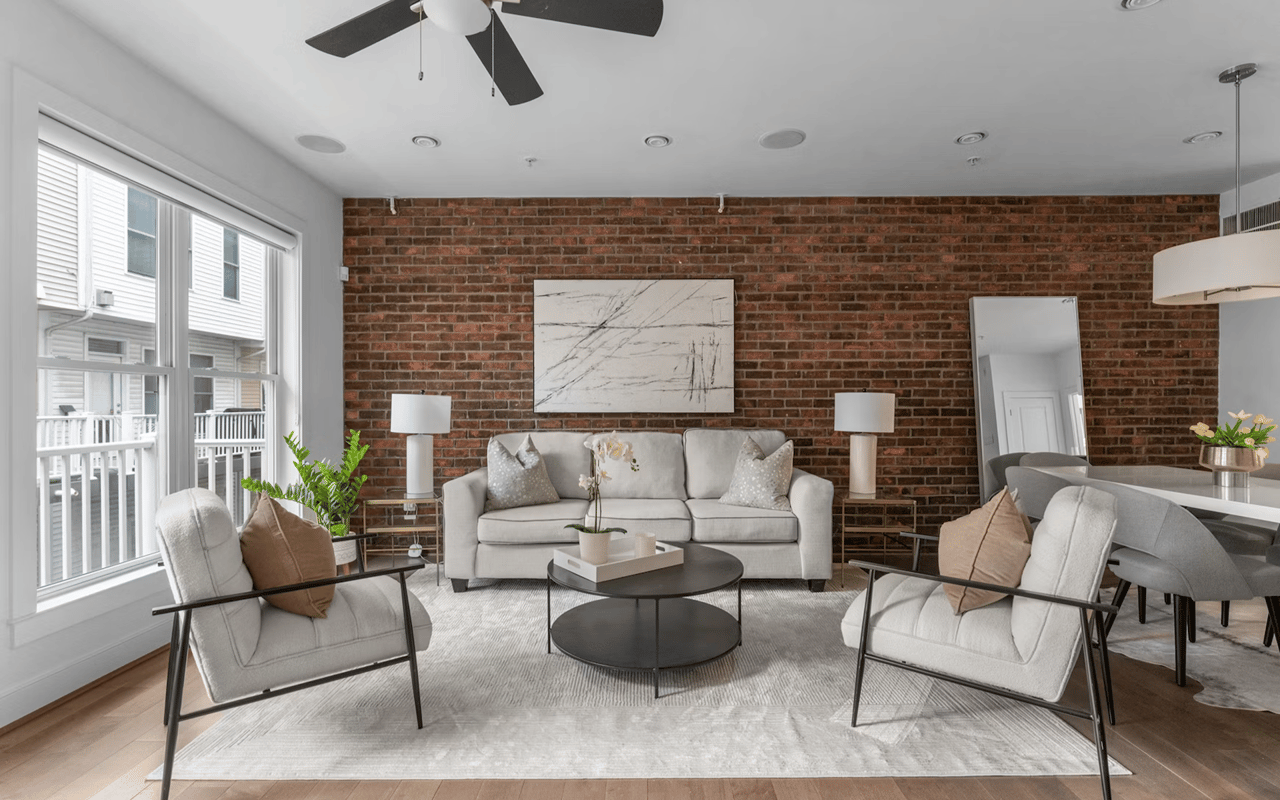
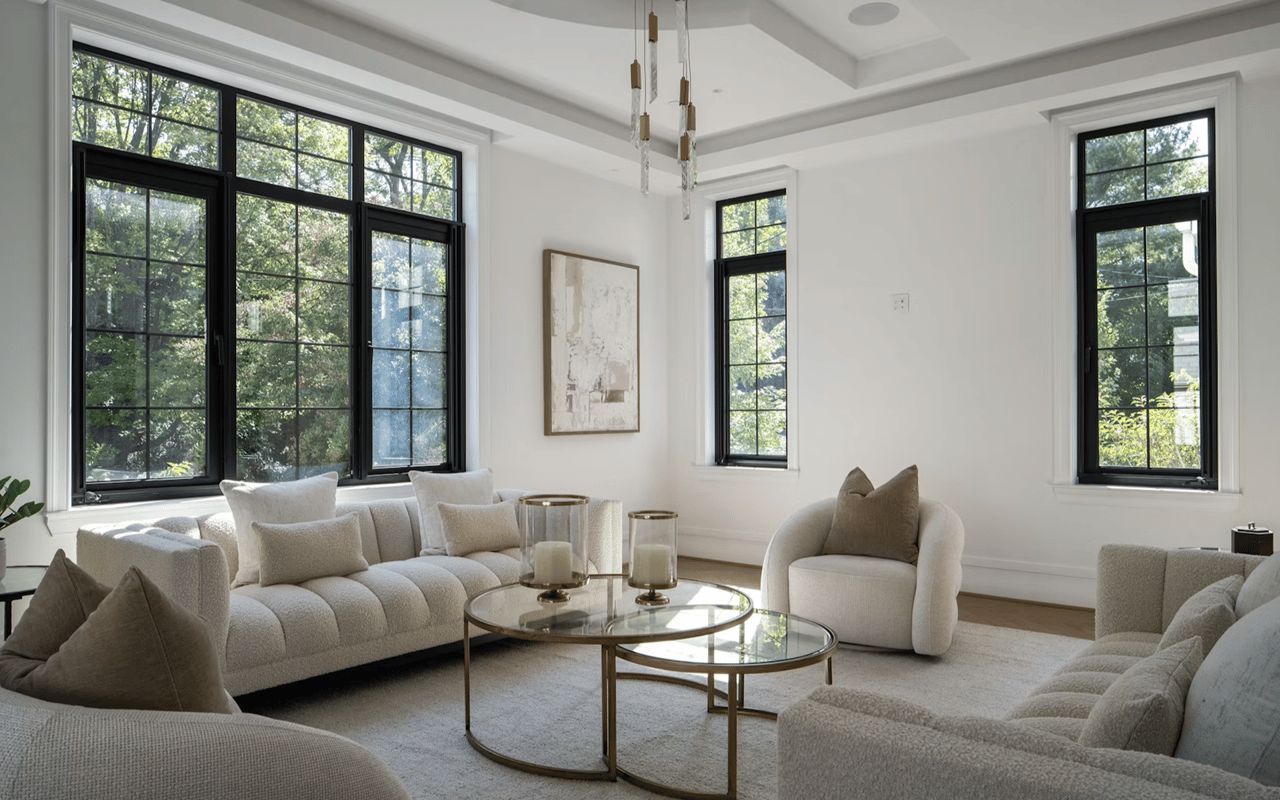
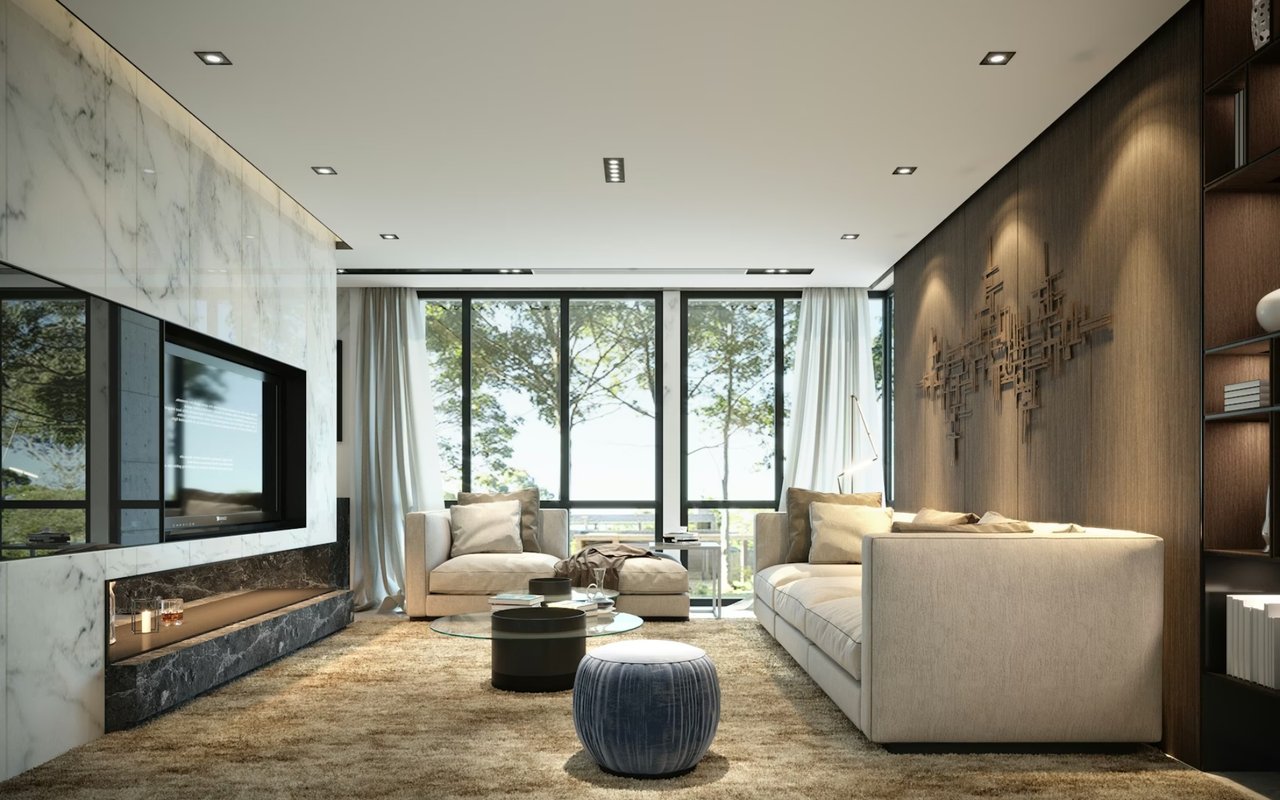
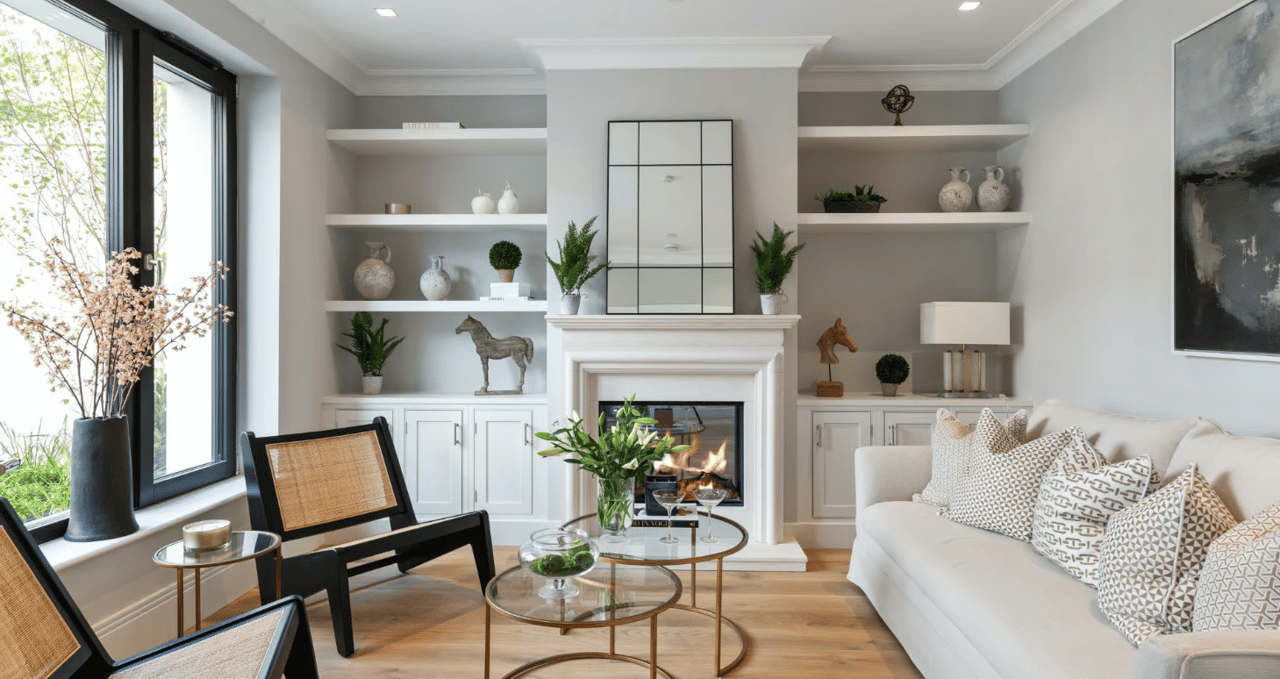
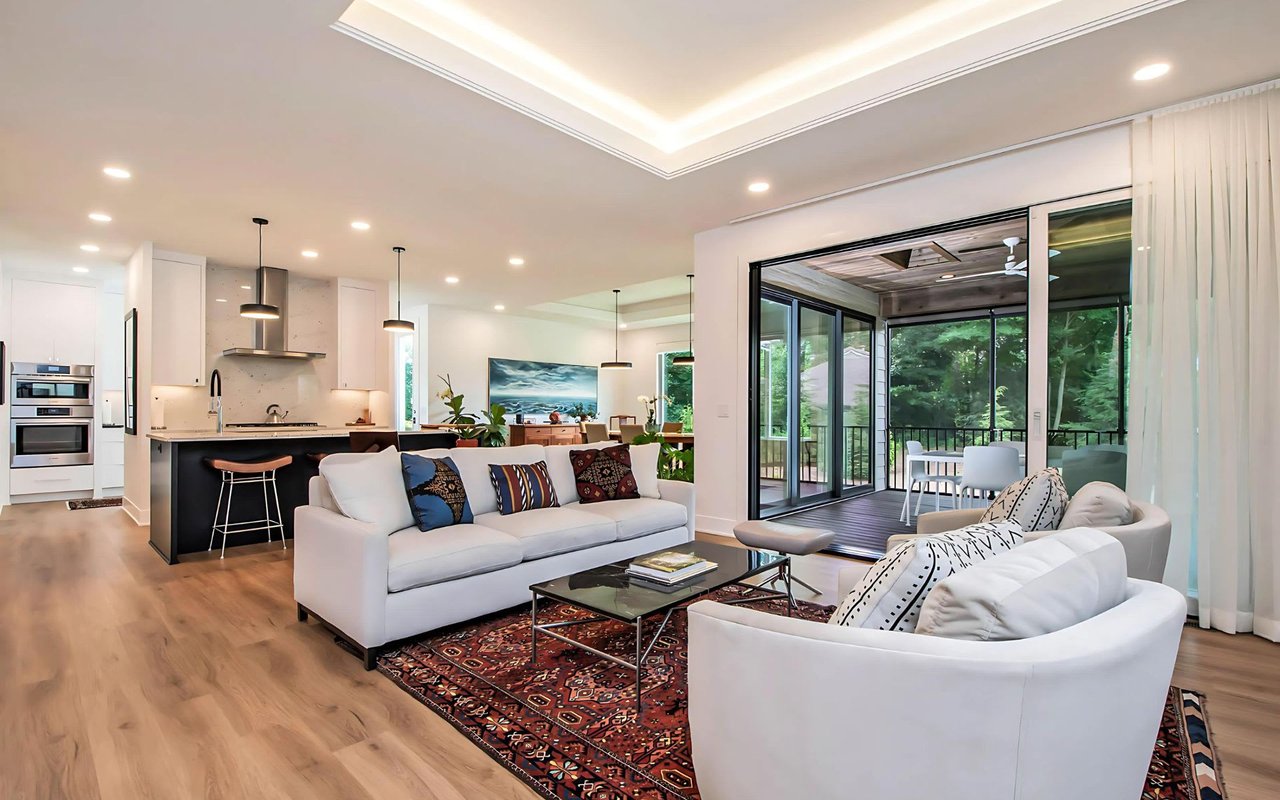
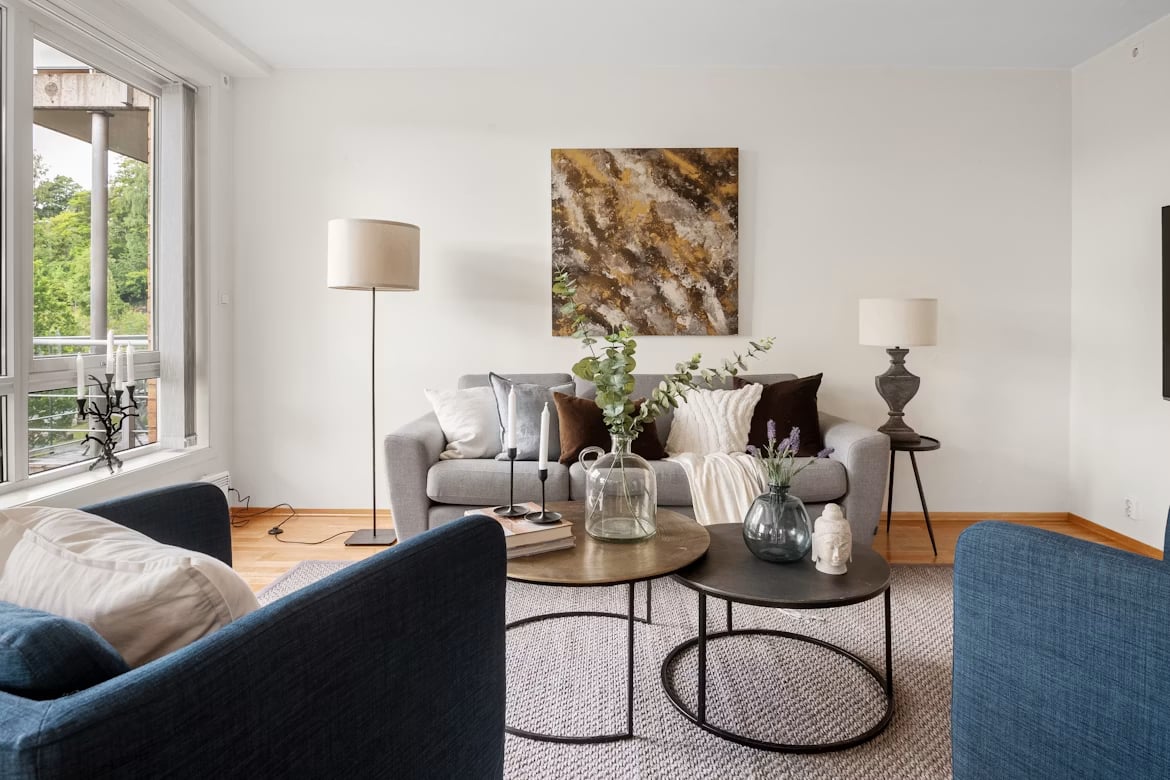
For Grand Rapids homeowners who want warmth without being locked into a specific historical period, transitional style provides the most versatile framework. It combines the comfort and material richness of traditional design with the cleaner lines and lighter palette of contemporary aesthetics, producing interiors that work across a wide range of architectural contexts.
What Transitional Style Looks Like in Practice
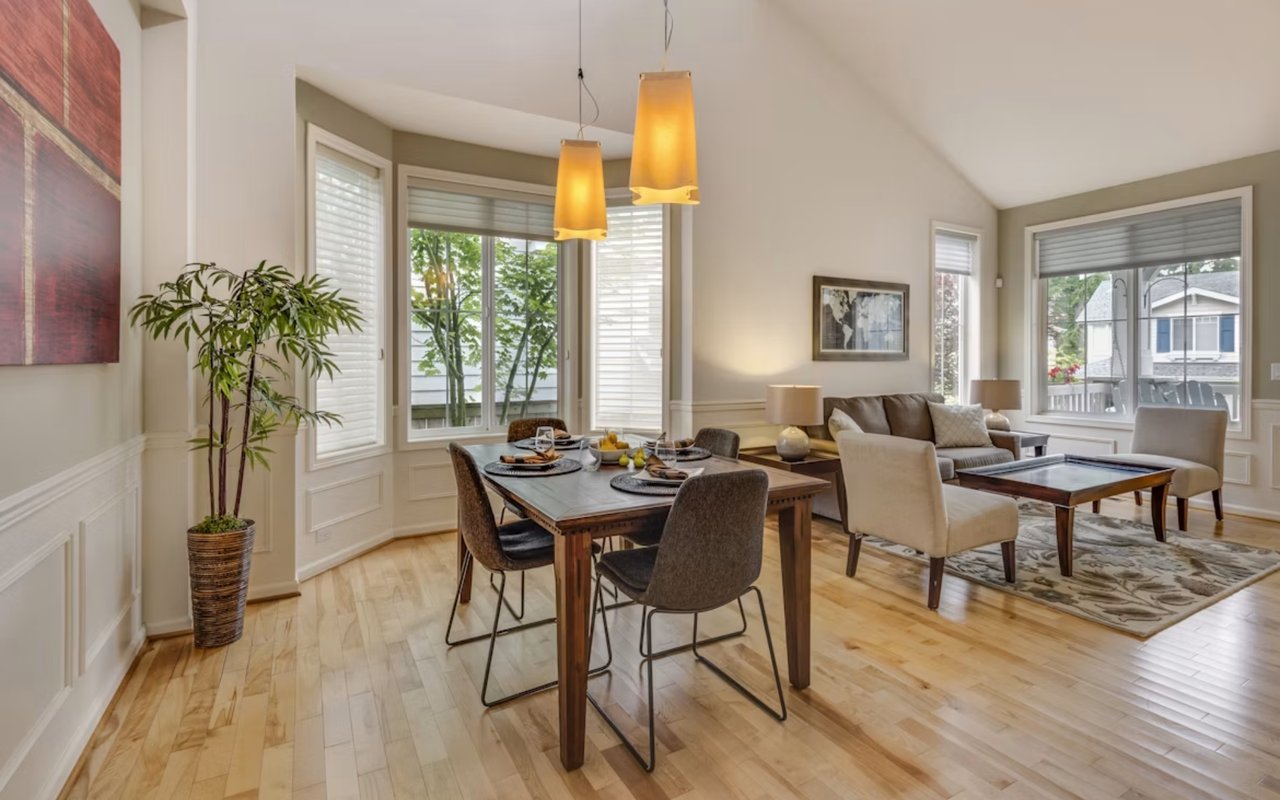
- A neutral primary palette with layered textures, including upholstered furniture in natural fabrics, wood accents, and a mix of metals in hardware and lighting, creates the layered warmth the style depends on.
- Crown molding, wainscoting, and architectural trim details from a traditional vocabulary are retained but paired with simpler, more contemporary furniture silhouettes.
- Mixing furniture periods deliberately, including a traditional sofa paired with a more contemporary coffee table, produces the contrast that gives transitional interiors their sense of ease.
- Consistency in metal finishes, choosing one or two metals throughout a room rather than several, brings cohesion to a mix of furniture styles that might otherwise feel unresolved.
Transitional style performs exceptionally well with buyers evaluating Grand Rapids homes, because it reads as move-in-ready without the polarizing quality of a strongly period-specific or avant-garde interior.
Frequently Asked Questions
Which interior design style performs best with buyers in the Grand Rapids market?
Transitional style consistently resonates with the broadest range of buyers because it is warm, approachable, and move-in ready without requiring a specific aesthetic commitment from the new owner. Well-executed mid-century modern also performs strongly, particularly in Heritage Hill and Eastown, where buyers are already drawn to design-forward homes.
How do I choose a style that suits my specific home's architecture?
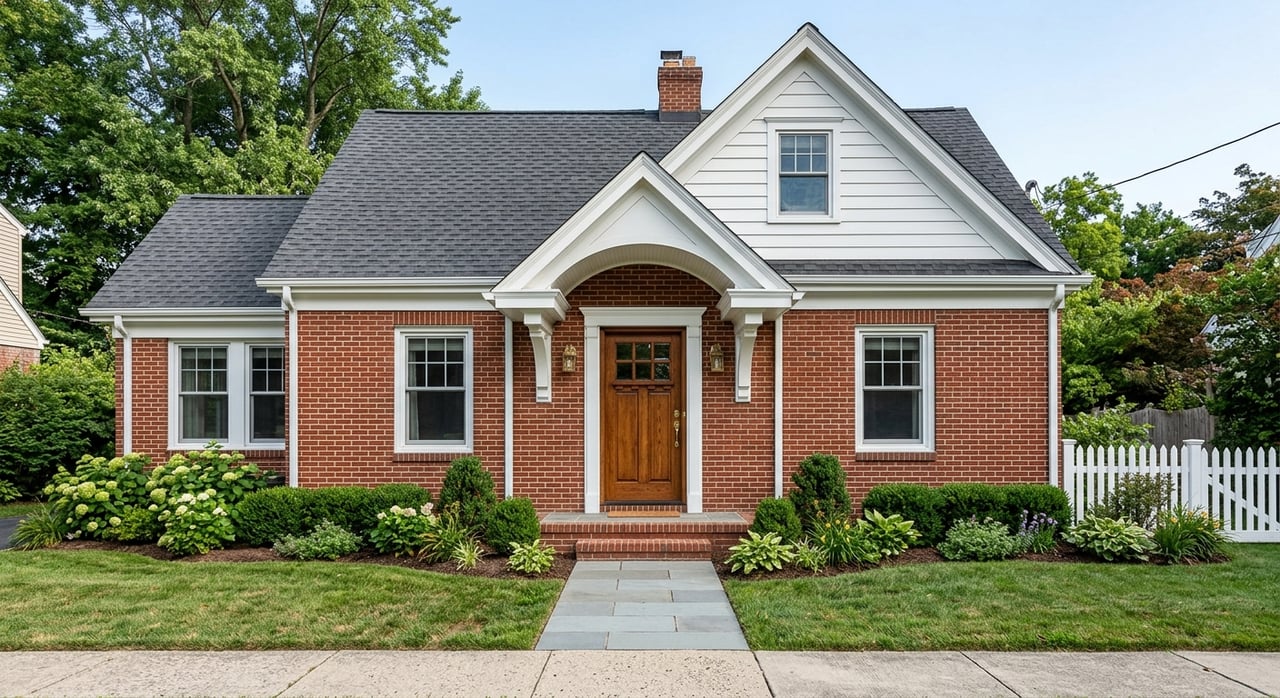
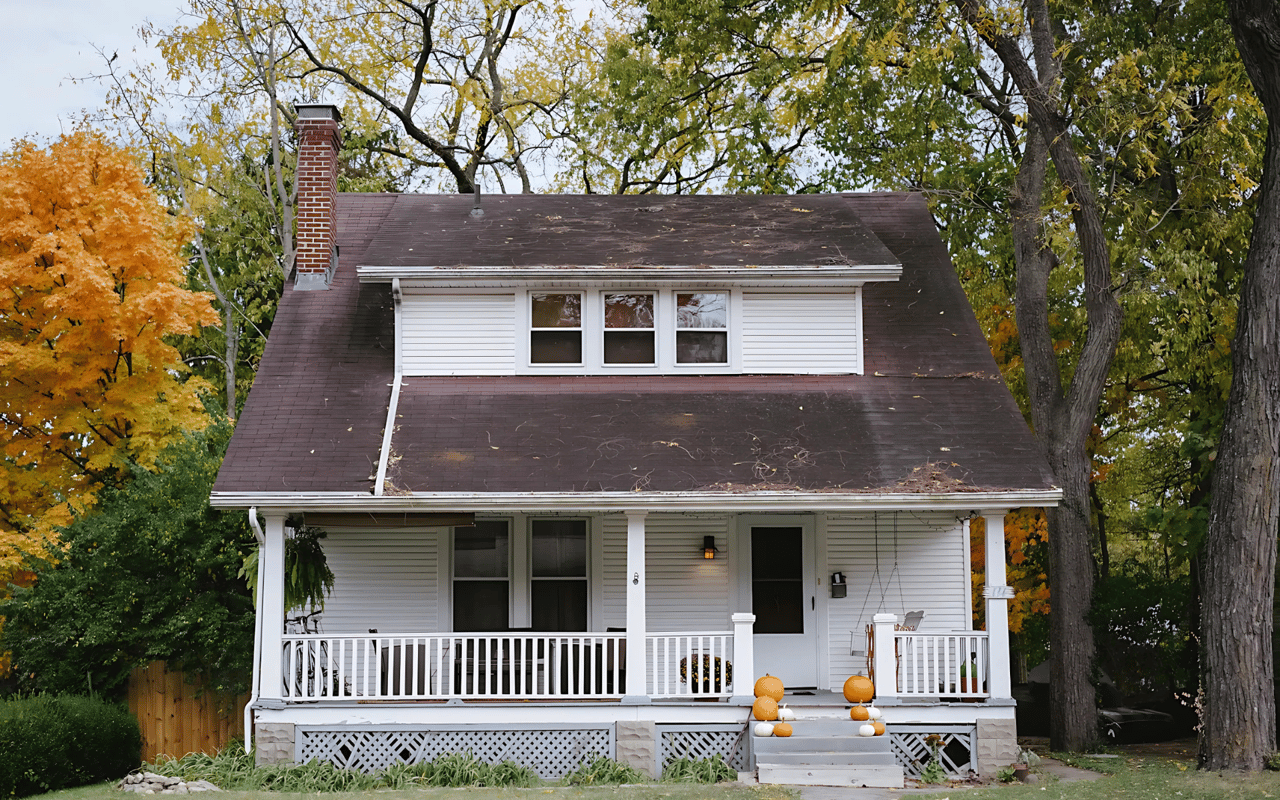
Start with what the house already offers. A Heritage Hill Craftsman bungalow with original woodwork and built-ins is telling you something about what style belongs there. A contemporary East Grand Rapids build with clean lines and large windows is telling you something different. Working with the architecture rather than against it produces interiors that feel coherent rather than assembled from separate decisions.
Does interior design affect resale value in Grand Rapids?
A well-executed interior design approach that suits the home's architecture and presents cleanly in listing photography consistently improves how a home shows and how quickly it attracts offers. Dated or poorly executed interiors, particularly in the kitchen and primary living areas, are among the most frequently cited reasons buyers make lower offers on otherwise strong properties.
Find Your Grand Rapids Home With the Right Foundation
The right interior design starts with the right home, and choosing a property whose architecture and character genuinely suit the way you want to live is as important as any design decision that follows. We specialize in Grand Rapids real estate and know the neighborhoods, the property types, and the homes in this market well enough to help you find the one that fits.
Buyers who spend time in Grand Rapids will soon learn why residents love this remarkably creative and welcoming community. The Cheryl Grant Real Estate Team is ready to help you find your place in it.