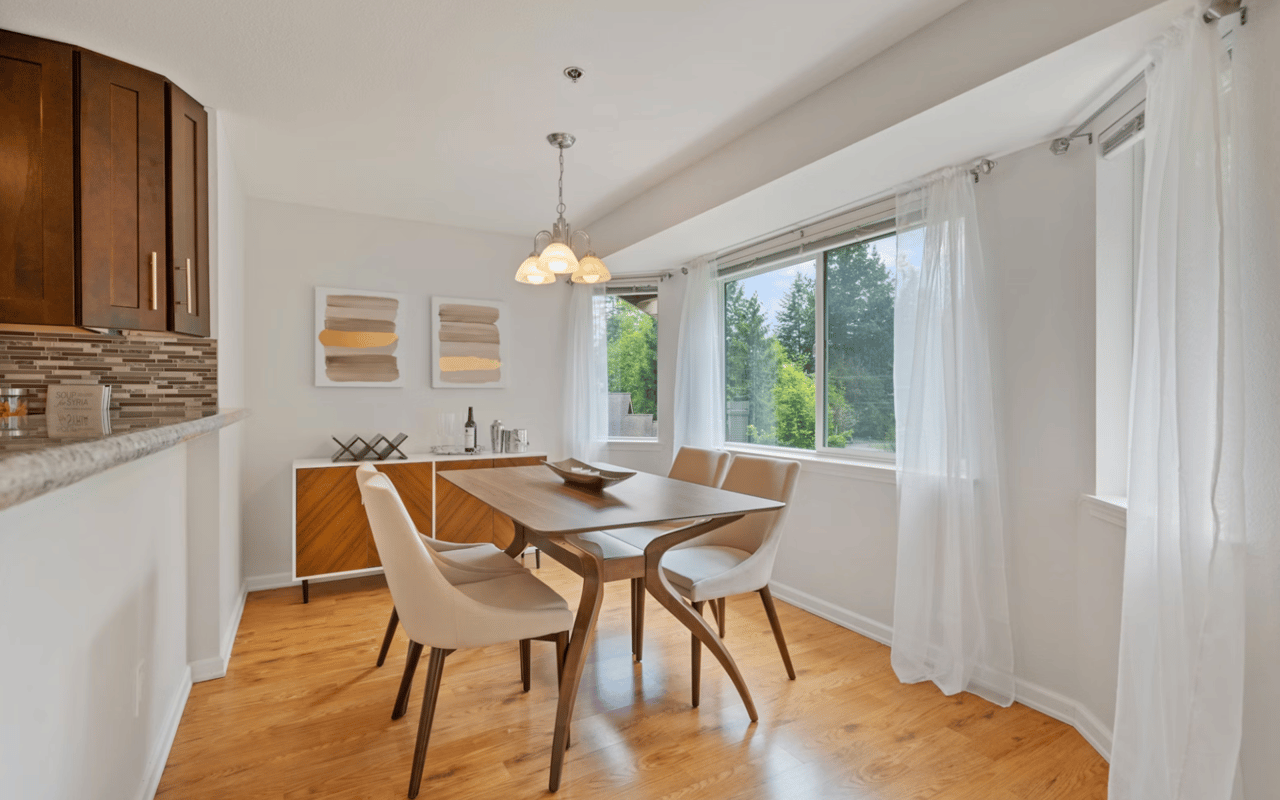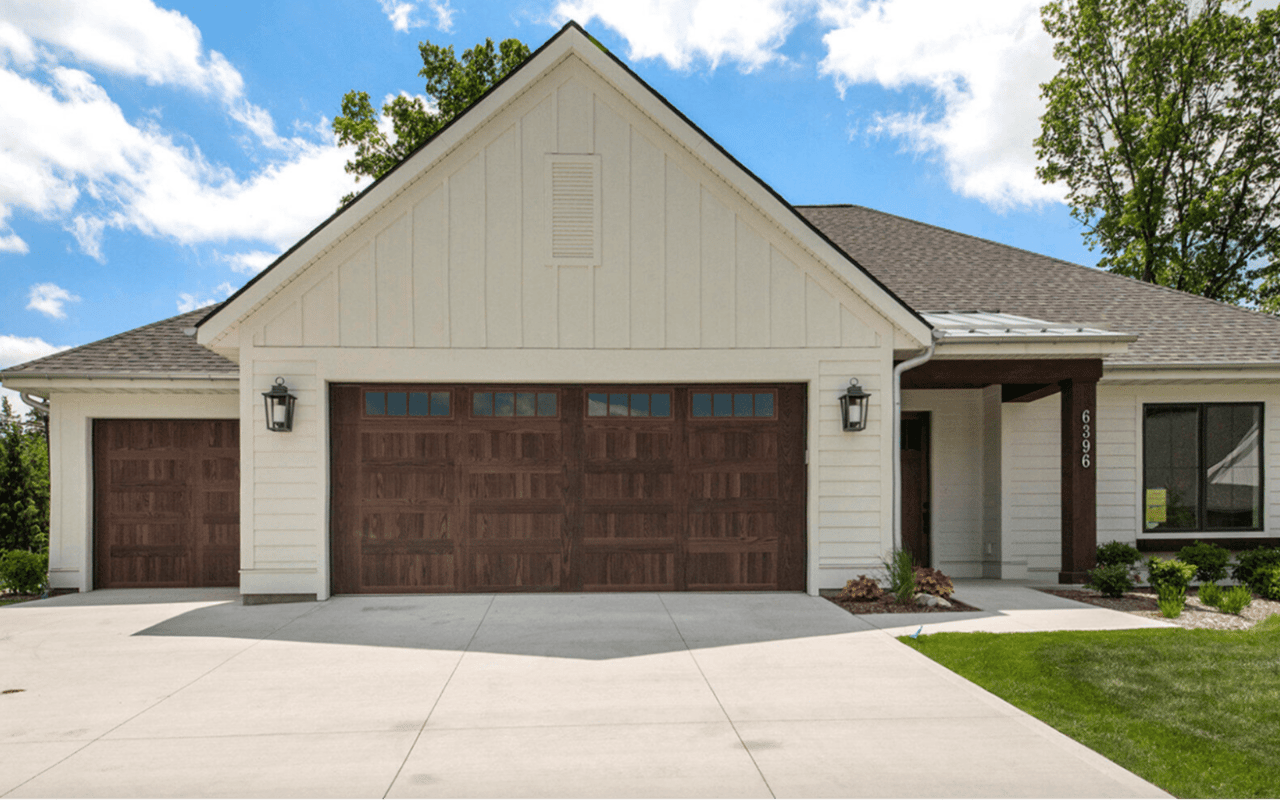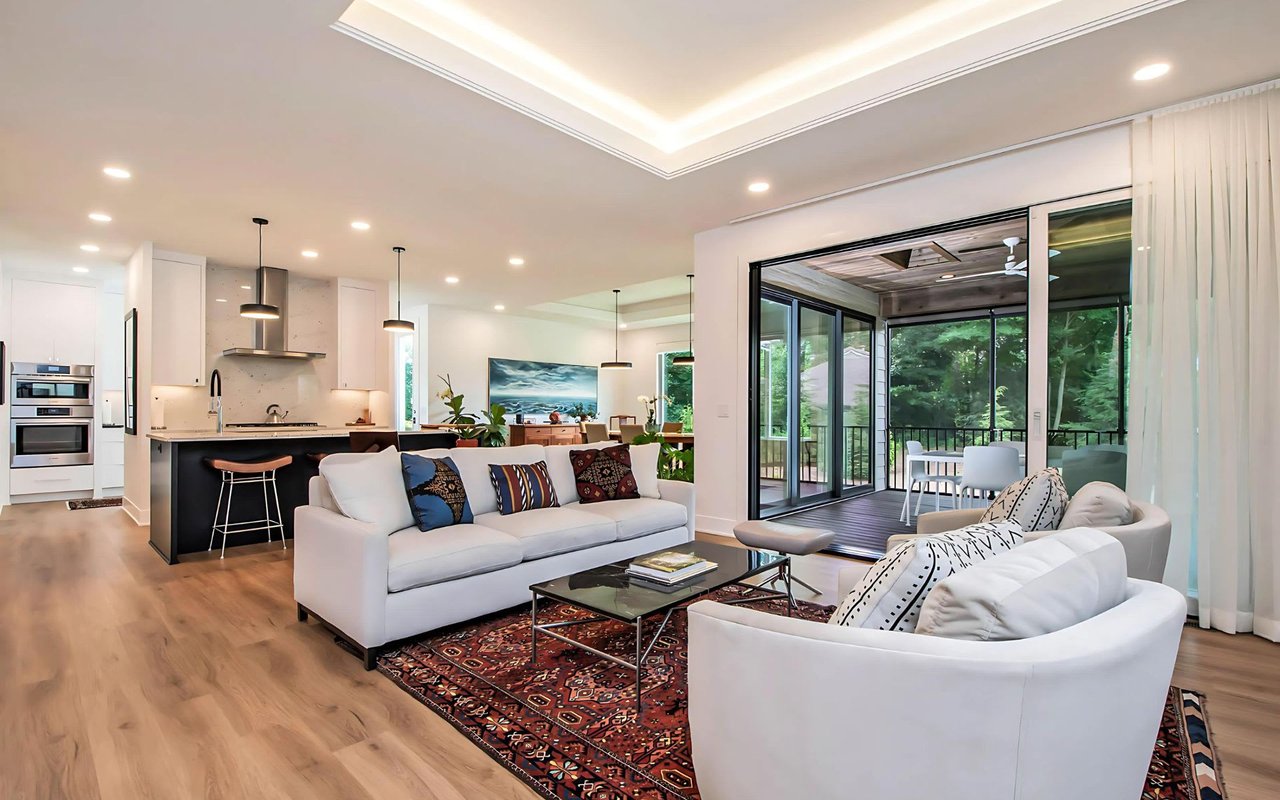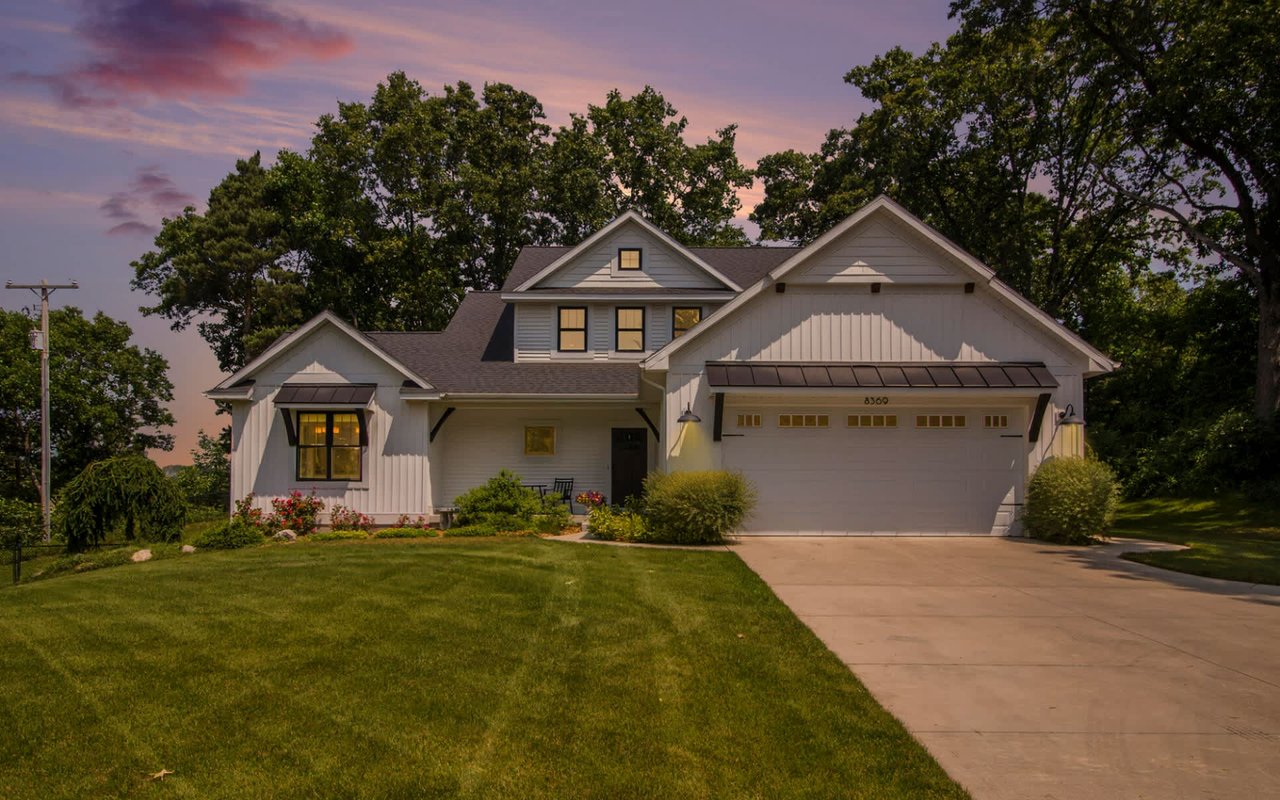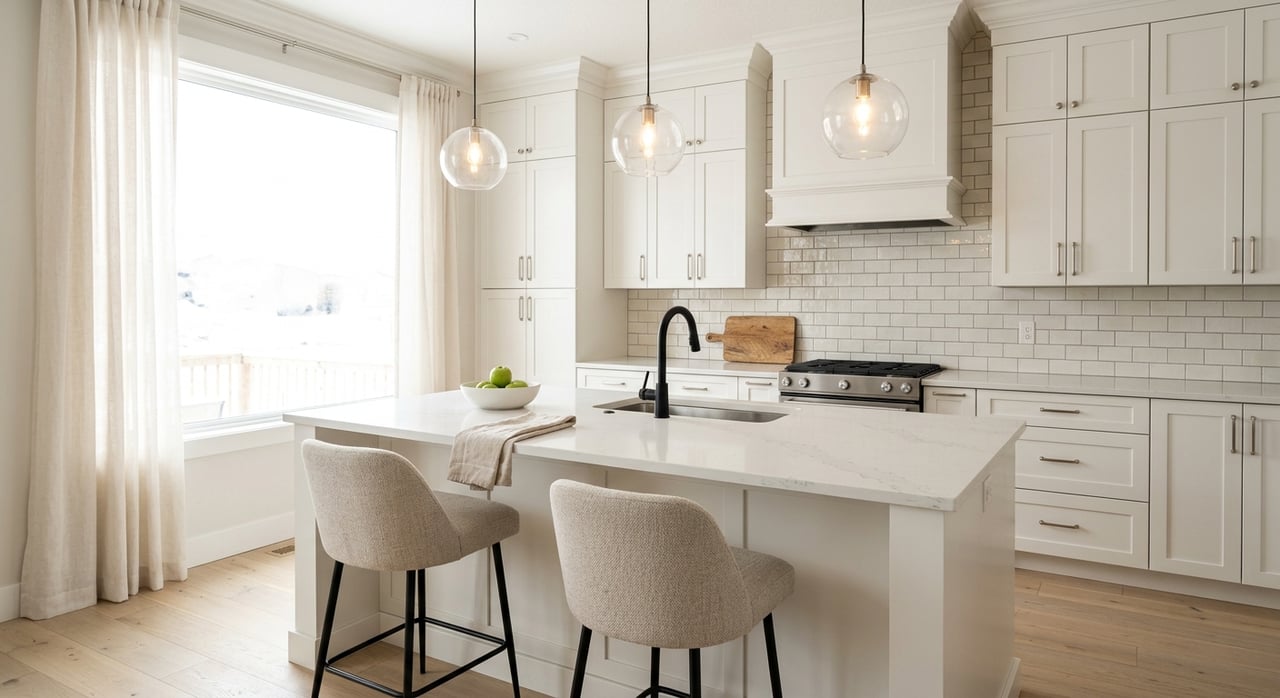
Wondering how to price your East Grand Rapids home without leaving money on the table or scaring off serious buyers? In a market where some homes move in less than a week and others still need price drops, your first impression matters more than ever. If you are preparing to sell, the right mix of pricing, presentation, and local marketing can help you stand out in a premium market. Let’s dive in.
Why pricing matters in East Grand Rapids
East Grand Rapids is a high-value market, but that does not mean every home should be priced at the very top of the range. Redfin’s April 2026 data shows a median sale price of $759,608, with homes selling in about 7 days and averaging 99.9% of list price. Realtor.com’s March 2026 snapshot also points to a premium market, with a median listing price of $862,500 and a 100% sale-to-list ratio.
Those numbers tell an important story. Buyers are active, but they are also paying attention to value. In a market like this, a smart price can create strong interest quickly, while an overly ambitious price can slow momentum.
Start with a local pricing strategy
A strong list price is not based on a citywide average alone. In East Grand Rapids, pricing should reflect your home’s exact location, size, condition, updates, and recent comparable sales. Cheryl Grant’s valuation approach also weighs market trends and agent expertise, which is especially important in a community with many older homes and highly specific micro-locations.
That matters because East Grand Rapids is not one-size-fits-all. A home near Gaslight Village, Reeds Lake, trails, or other walkable destinations may appeal differently than a similar home in another part of the city. Street character, lot setting, and renovation quality can also shift value in a meaningful way.
Why micro-location can change value
City materials describe Gaslight Village as the heart of East Grand Rapids, with boutiques, restaurants, groceries, and heated sidewalks in winter. The city’s planning documents also highlight walkability, Reeds Lake, parks, trails, and mature residential neighborhoods as major reasons people choose to live here.
For sellers, that means your home should be priced in the context of its surroundings. Buyers are often comparing not just square footage, but also how close a home is to daily amenities and well-known local destinations. Two homes with similar features can command different prices based on those details.
Use a pricing range, not wishful thinking
One of the clearest lessons from current data is that precision beats optimism. Redfin reports that 47.9% of homes sold above list price, but 20.1% had price drops. That means the market can reward the right price, but it does not forgive a wrong one.
A useful strategy is to build a defensible price range instead of simply aiming for the highest possible number. That gives you a realistic framework based on comparable sales, condition, and buyer demand. It also helps you launch with confidence instead of testing the market and adjusting later.
Condition affects price more than many sellers expect
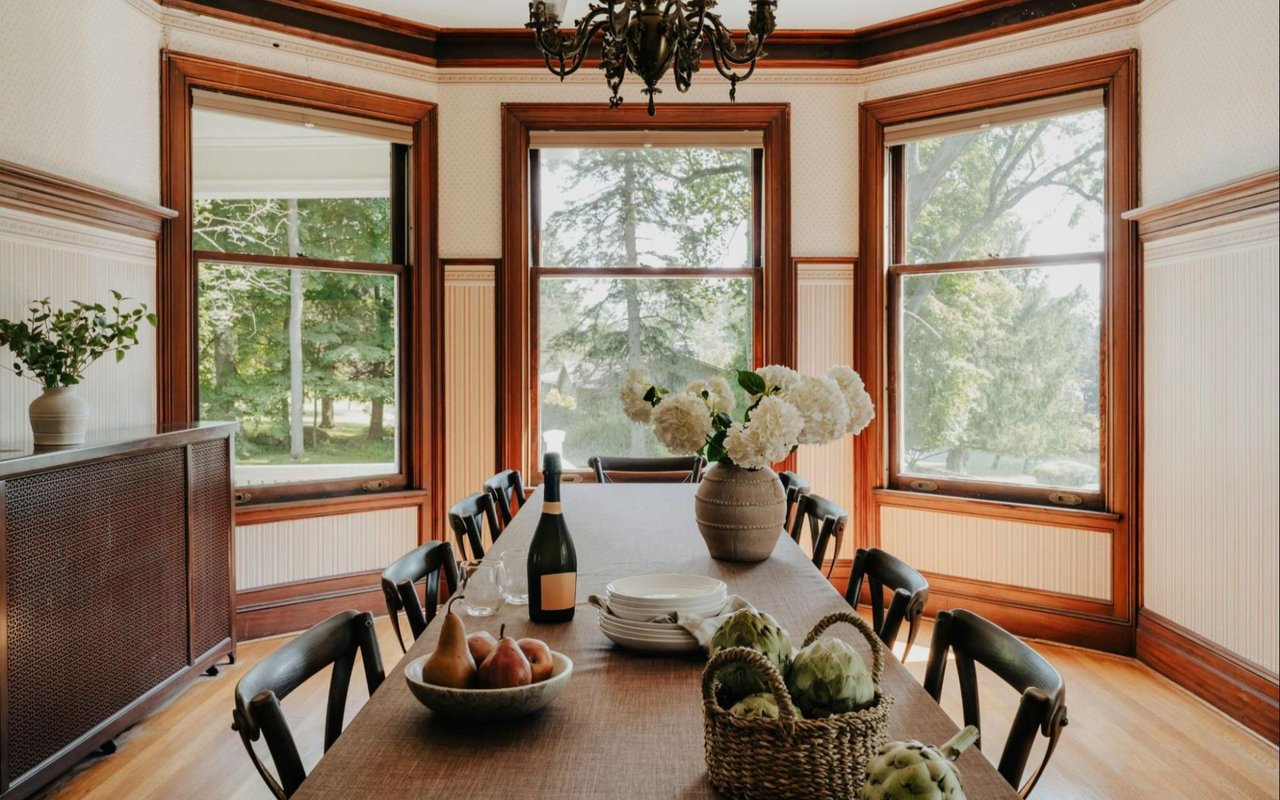
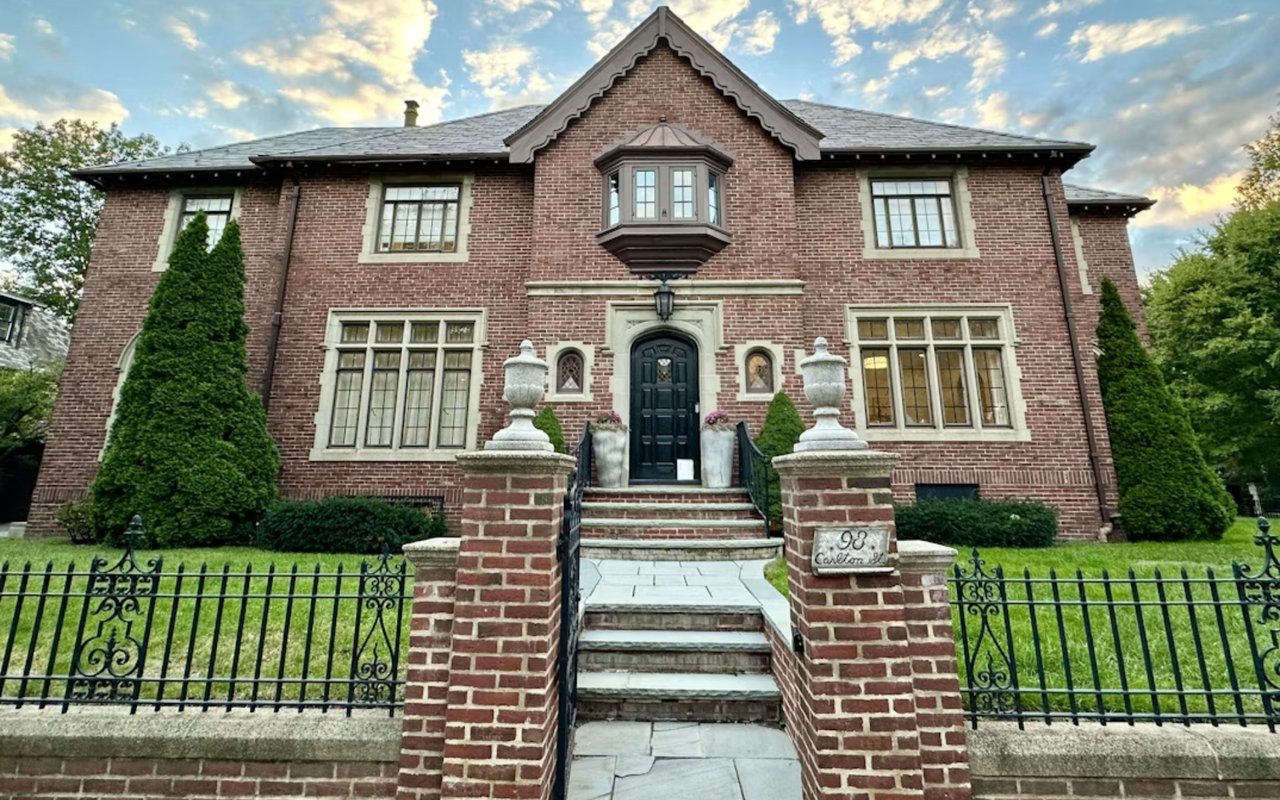
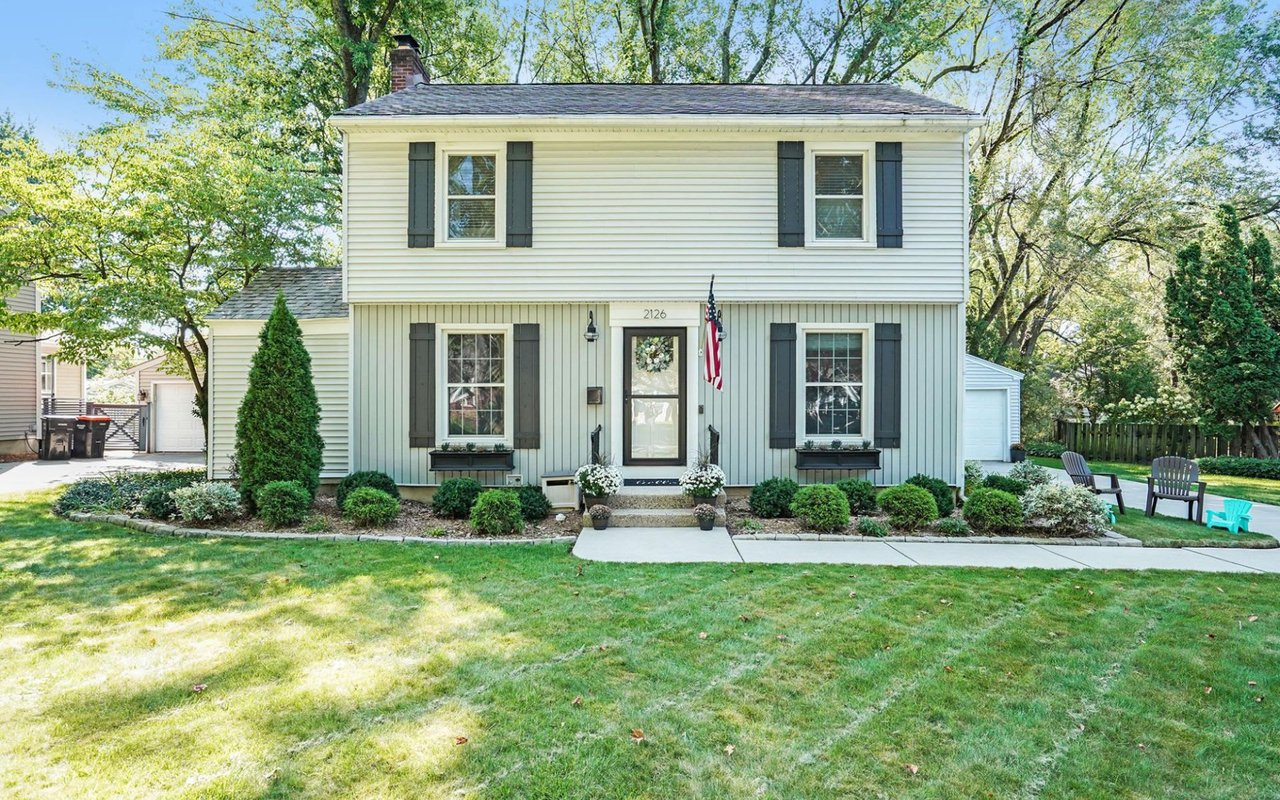
East Grand Rapids has a lot of housing character, including homes dating back to the early 1900s. That charm can be a major asset, but condition still matters. Buyers are often willing to pay more for updates, good maintenance, and a home that feels well cared for.
If your home has older systems, deferred maintenance, or visible wear, that may affect both pricing and negotiation. On the other hand, recent renovations and strong presentation can support a higher ask. The key is to be honest about where your home stands in today’s market.
Consider a pre-sale inspection
A pre-sale inspection can help you identify issues before your home hits the market. Cheryl Grant’s inspection guidance notes that this step can reduce renegotiation risk, improve transparency, and help you decide whether to make repairs or adjust pricing.
That can be especially helpful in East Grand Rapids, where older homes may have condition questions buyers notice quickly. When you understand your home’s strengths and challenges upfront, you can price and market it more strategically.
Be ready for disclosure questions
Michigan’s Seller Disclosure Act applies to most 1- to 4-unit residential transfers. The statutory disclosure form is designed to disclose property condition, and it also notes that real property tax obligations can change significantly after a transfer.
For sellers, that is important for two reasons. First, condition can affect what buyers are willing to pay. Second, buyers may also factor in future tax changes when they evaluate affordability.
Launch quality can shape your outcome
Even in a strong market, not every listing gets the same response. Redfin’s sold-home data suggests many homes move quickly, but active listing data from Realtor.com shows some properties sit longer. That gap often comes down to launch quality.
When your home enters the market with the right price, polished presentation, and clear messaging, you give buyers a stronger reason to act fast. If the debut feels rushed or unclear, you may lose early momentum.
How to market a home in East Grand Rapids
Pricing gets buyers to notice your listing. Marketing gives them a reason to remember it and schedule a showing. Cheryl Grant’s selling guide emphasizes a full strategy that includes staging, decluttering, curb appeal, professional photography, virtual tours, and multi-channel promotion.
That kind of approach fits East Grand Rapids well. Buyers in this market are often responding to both property details and lifestyle fit, so your marketing should show not only what the home is, but also how it lives.
Focus on curb appeal first
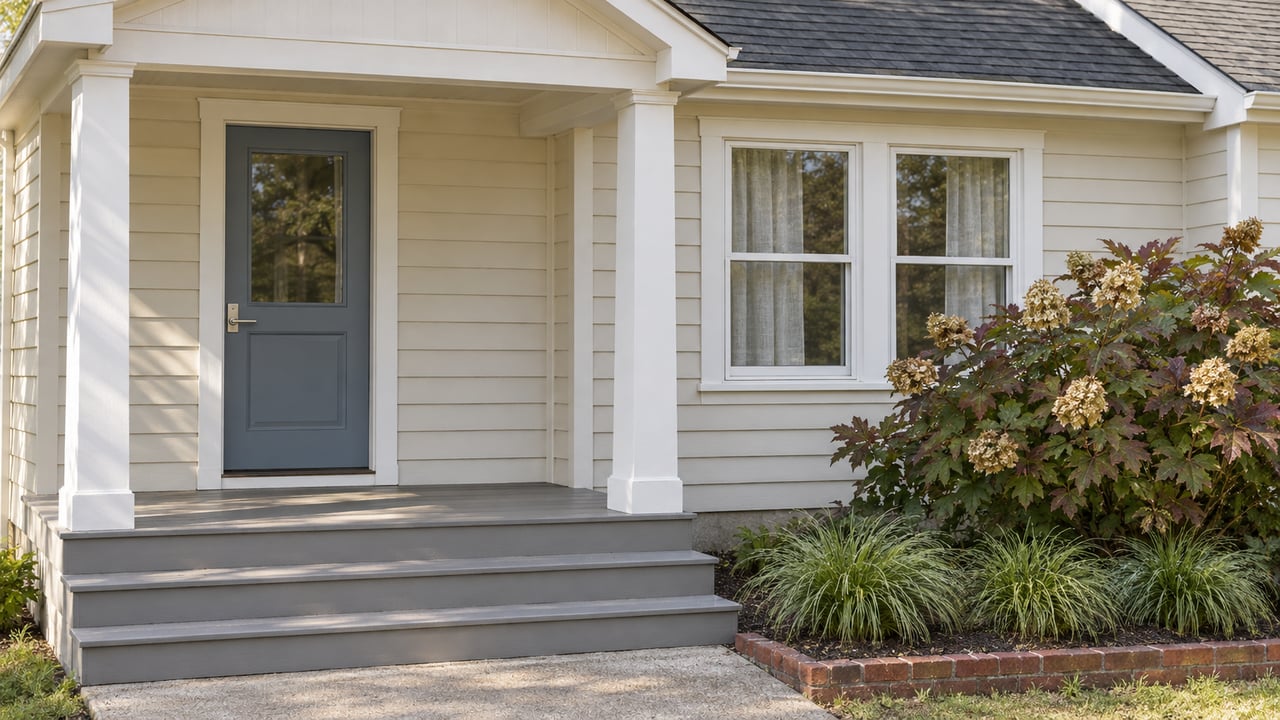
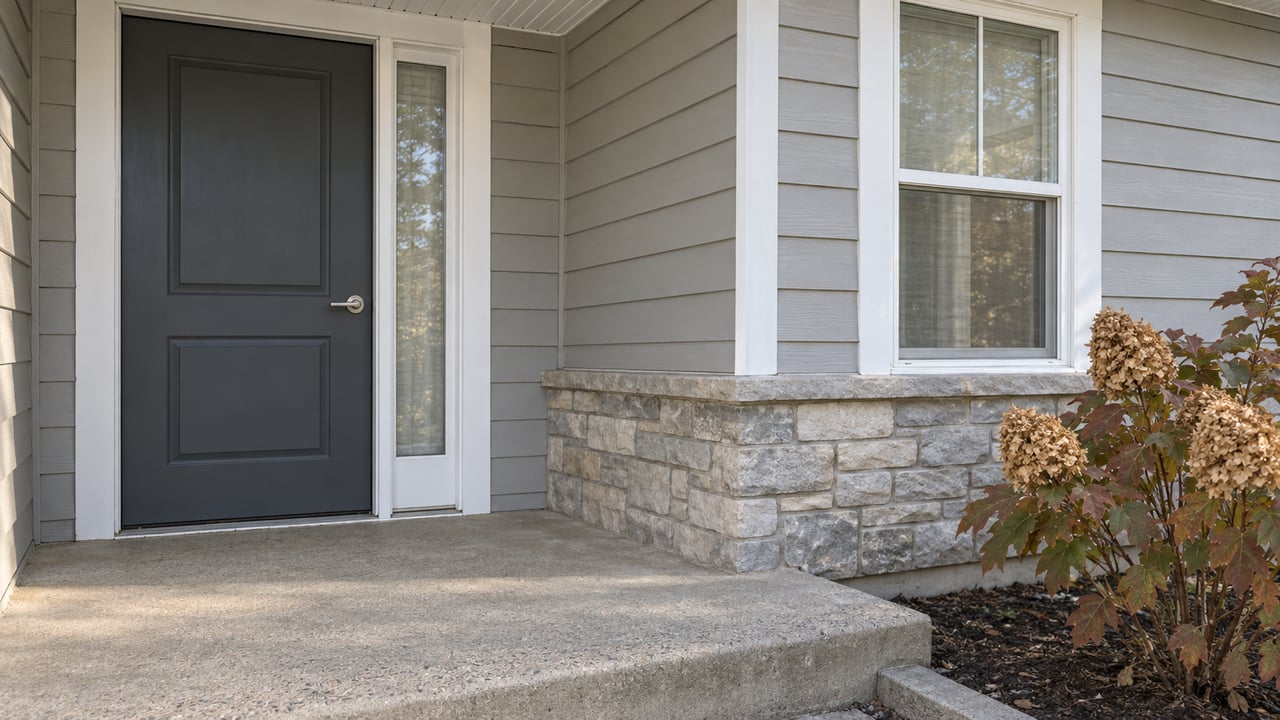
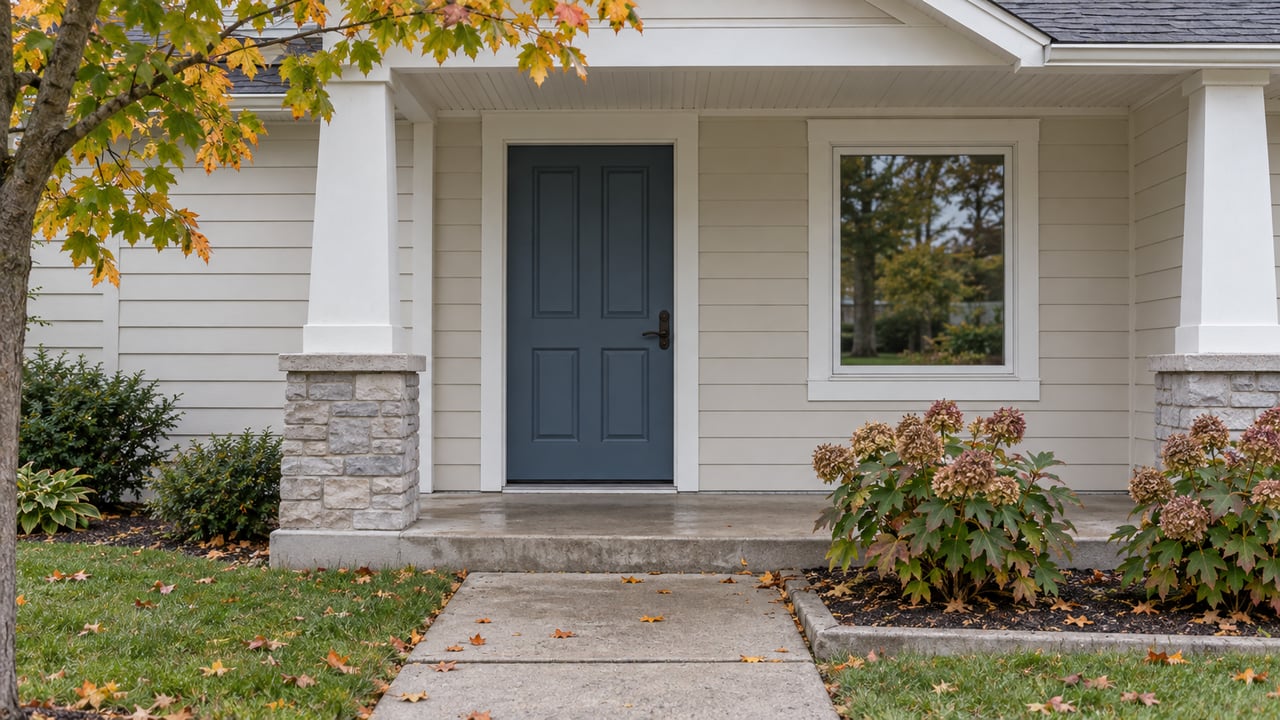
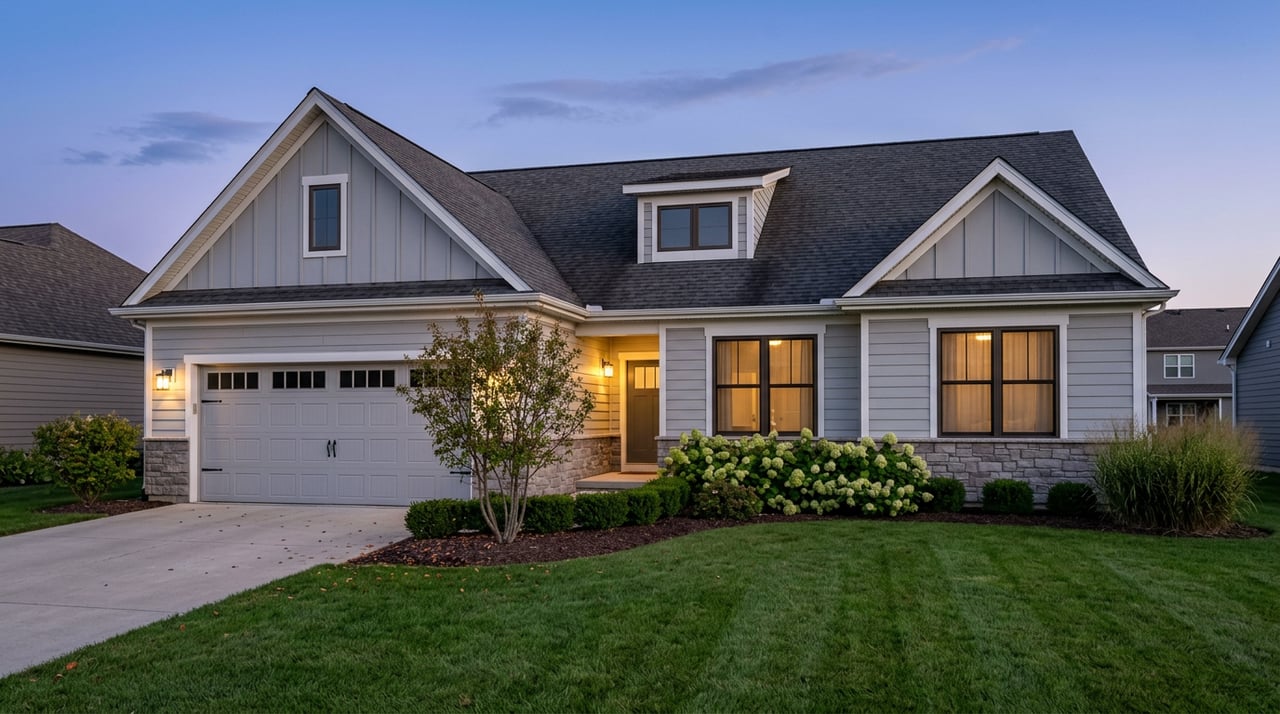
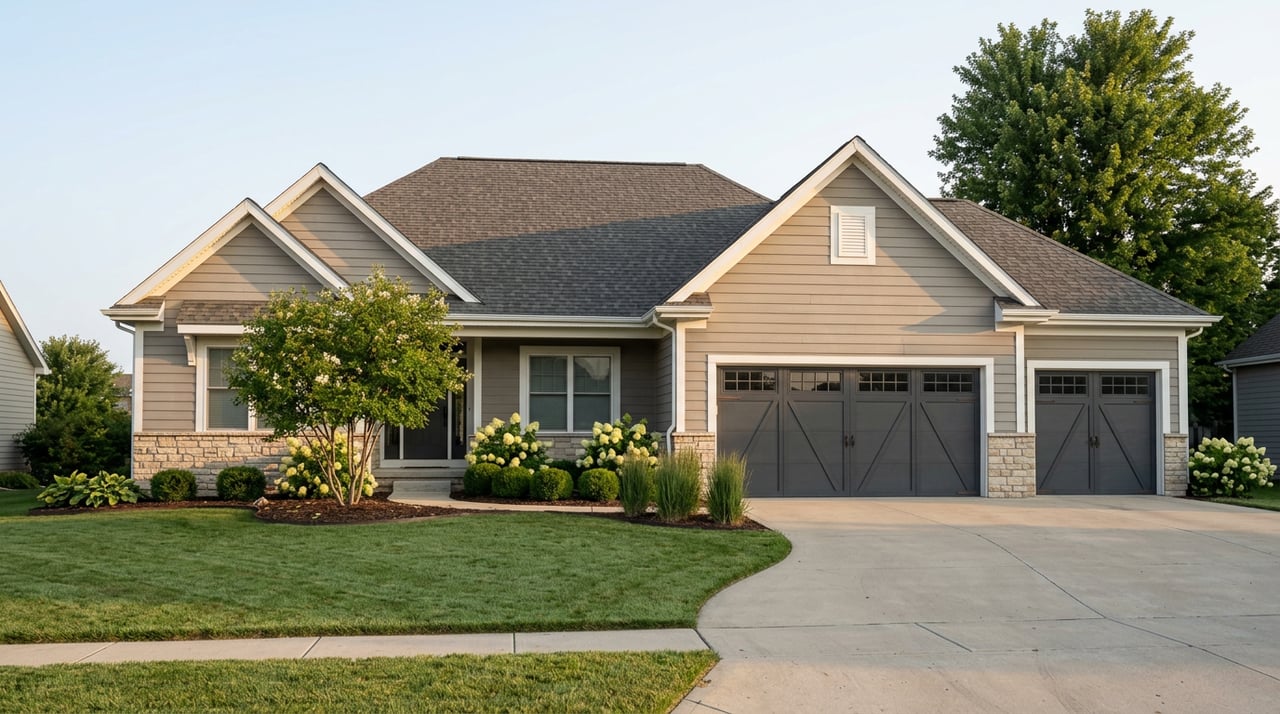
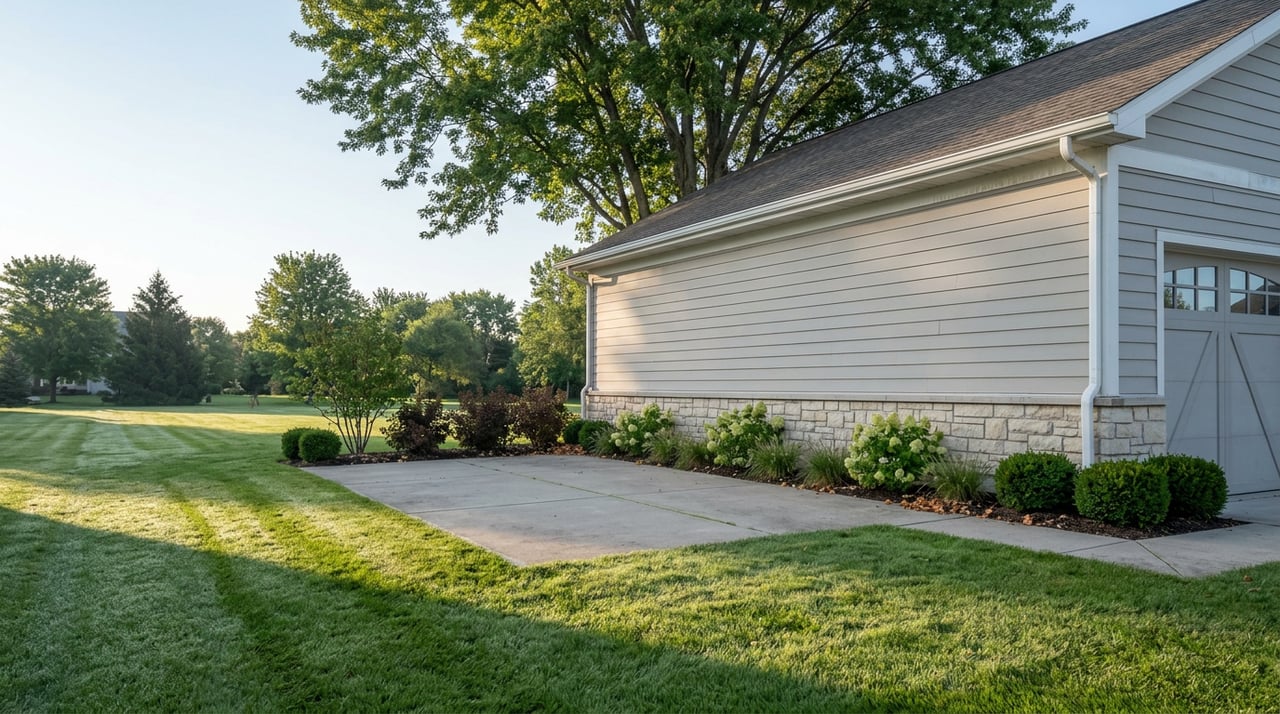
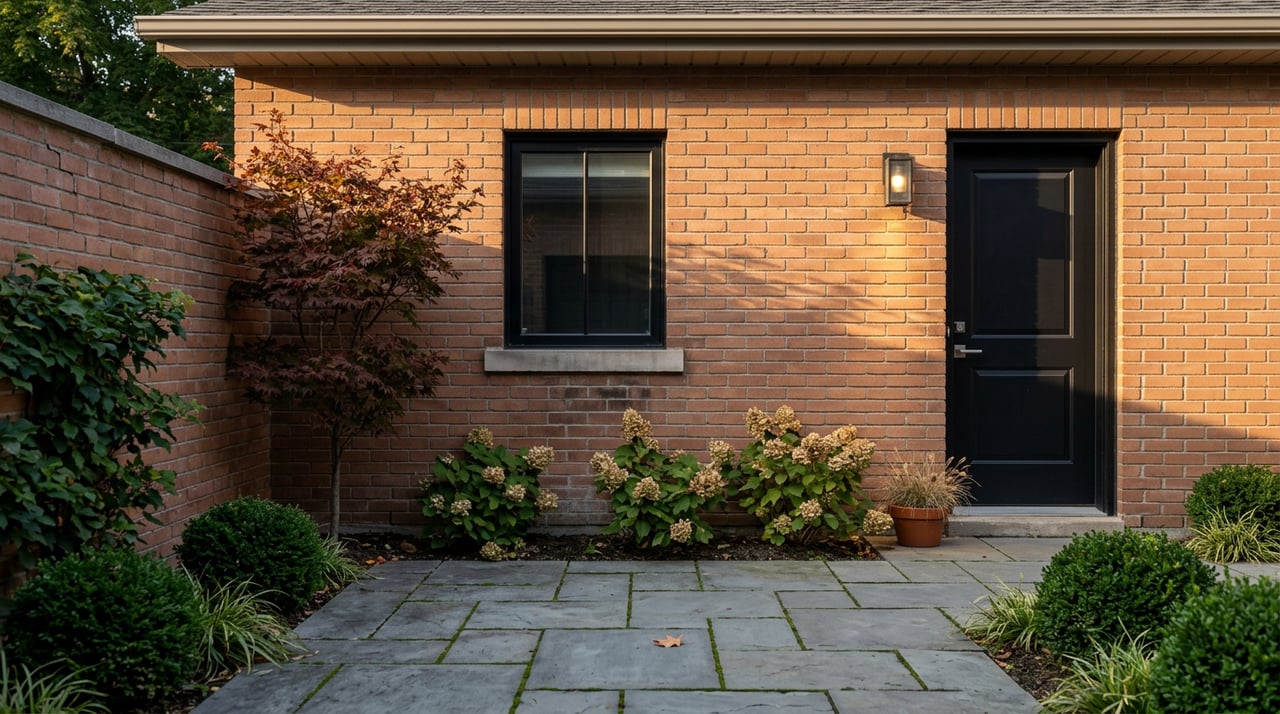
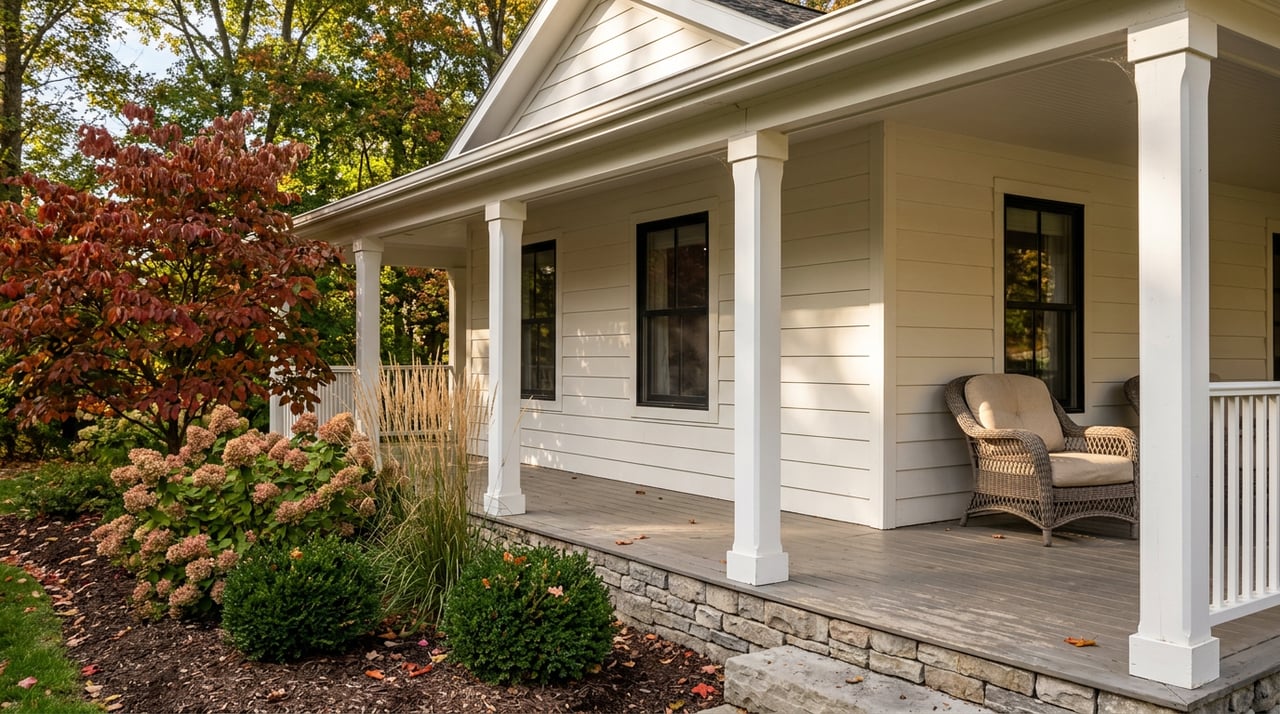
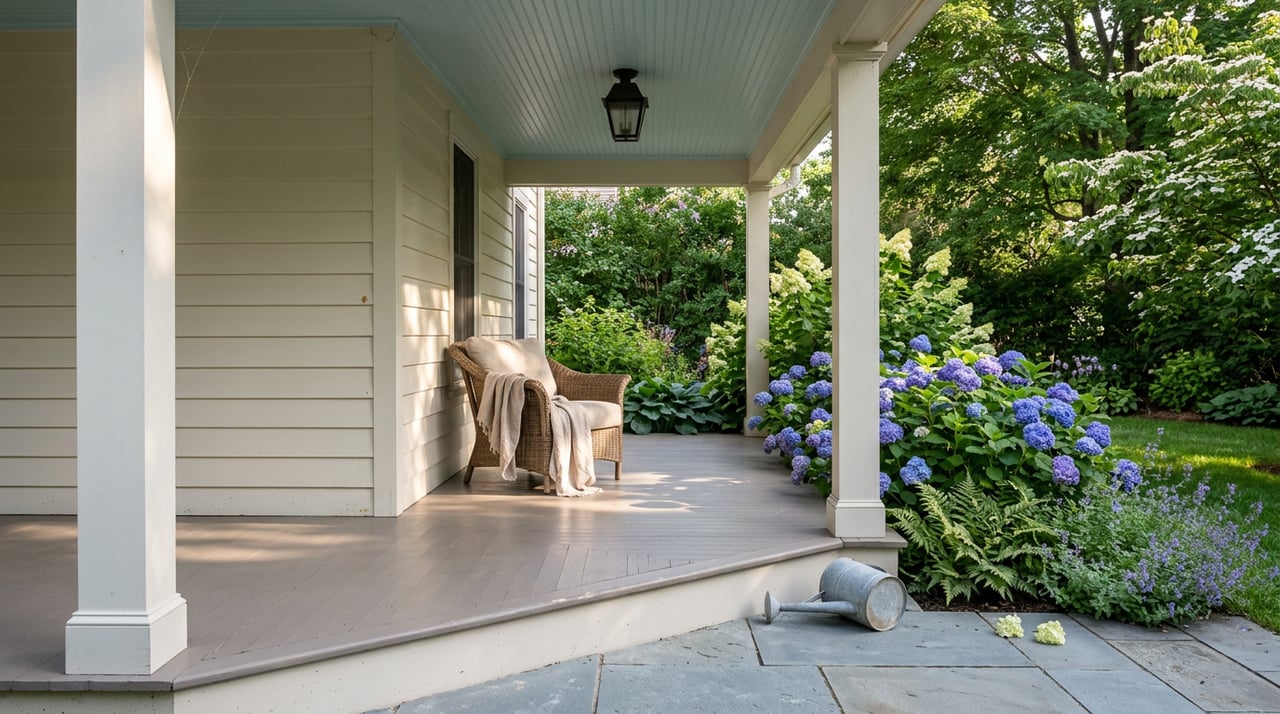
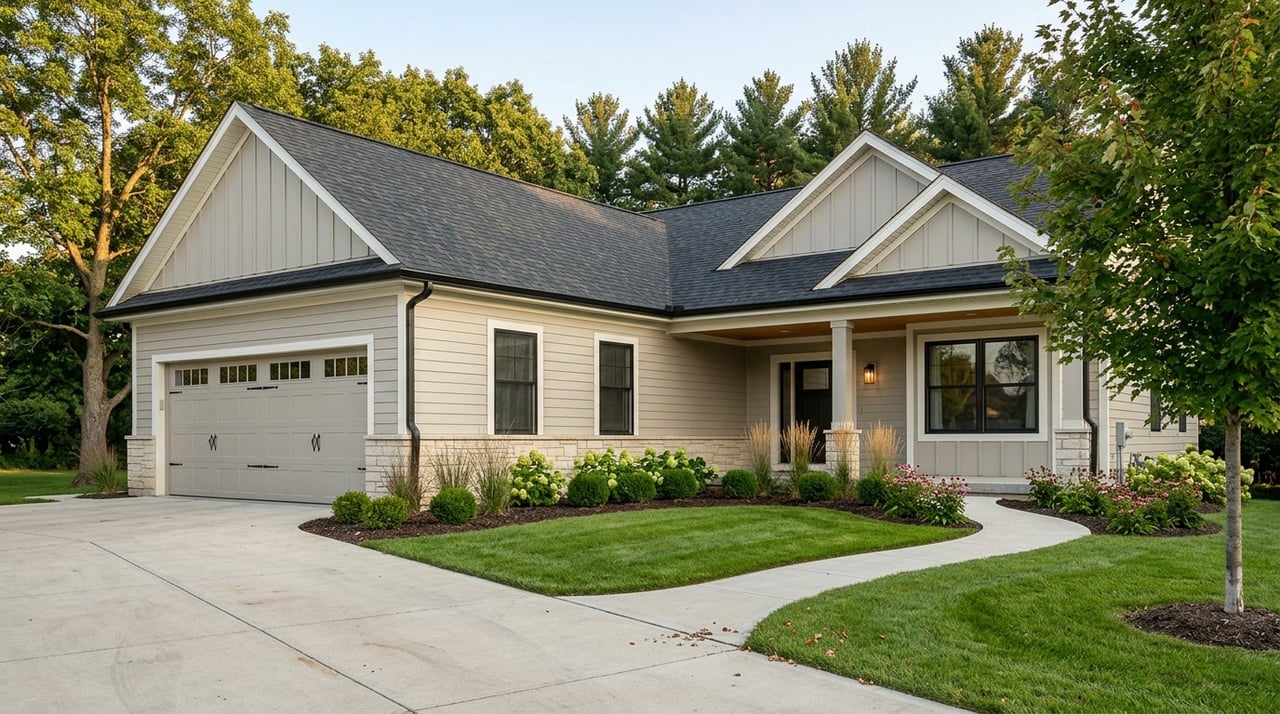
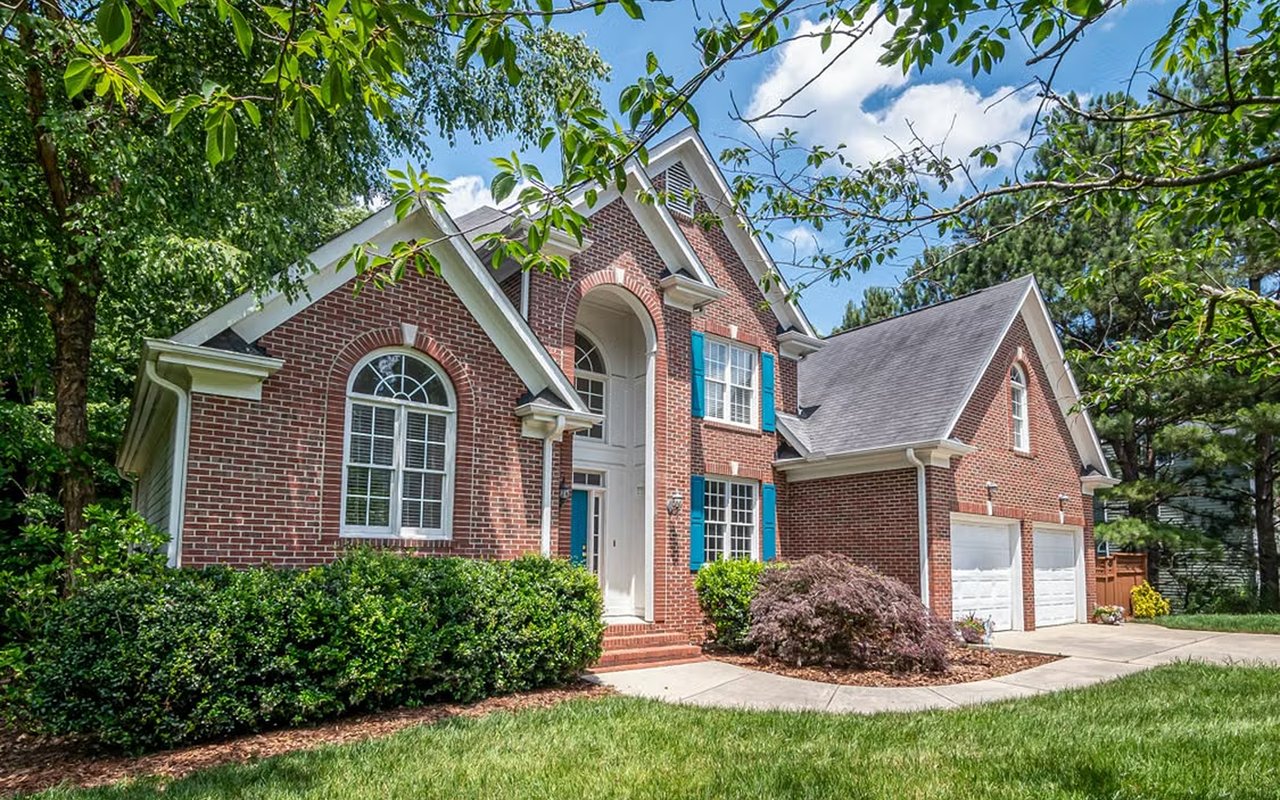
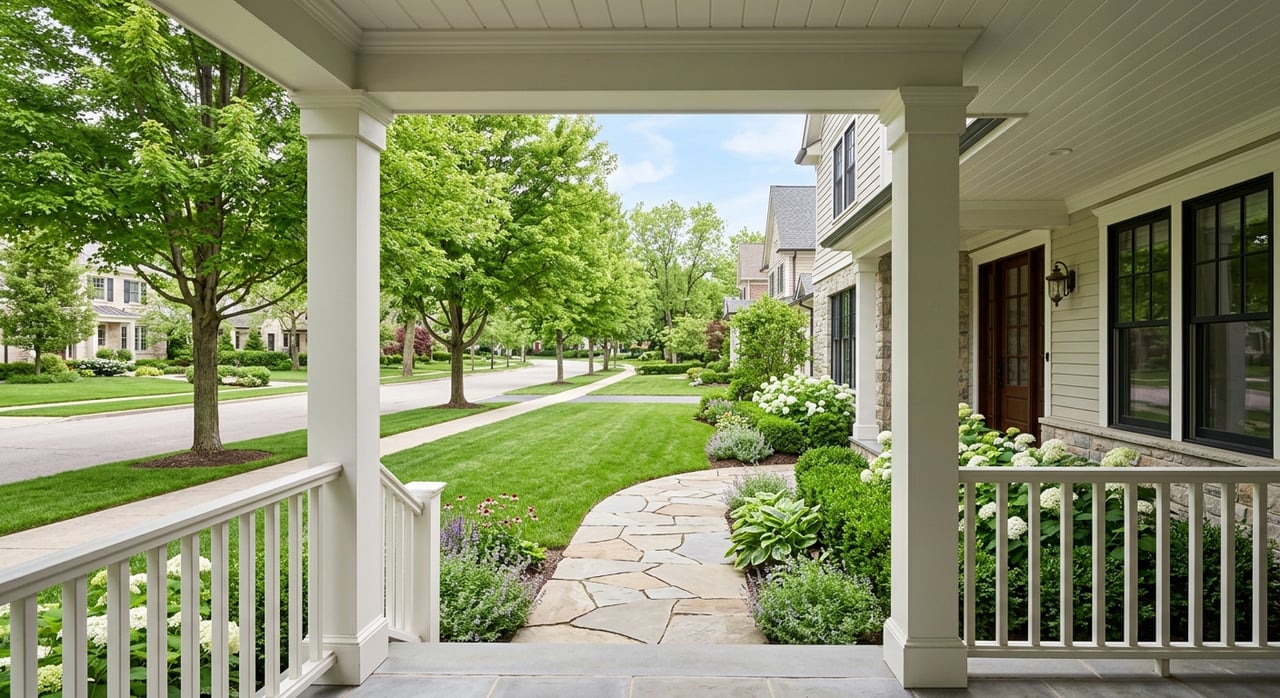
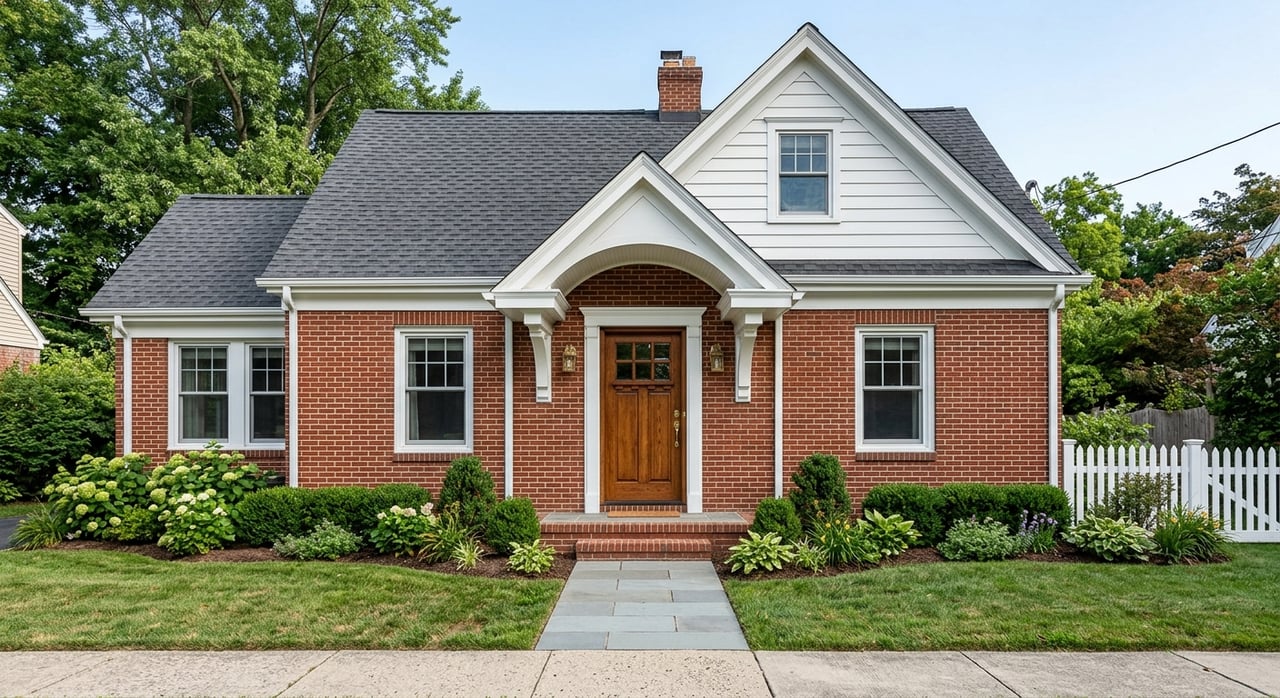
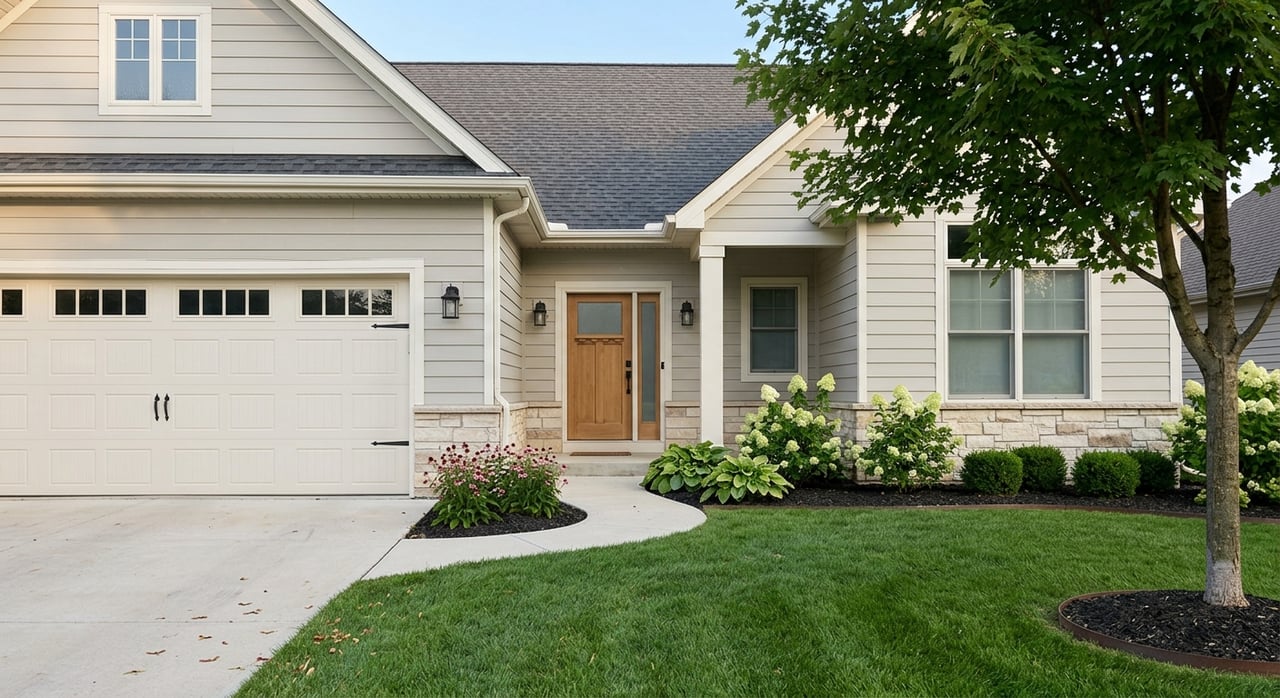
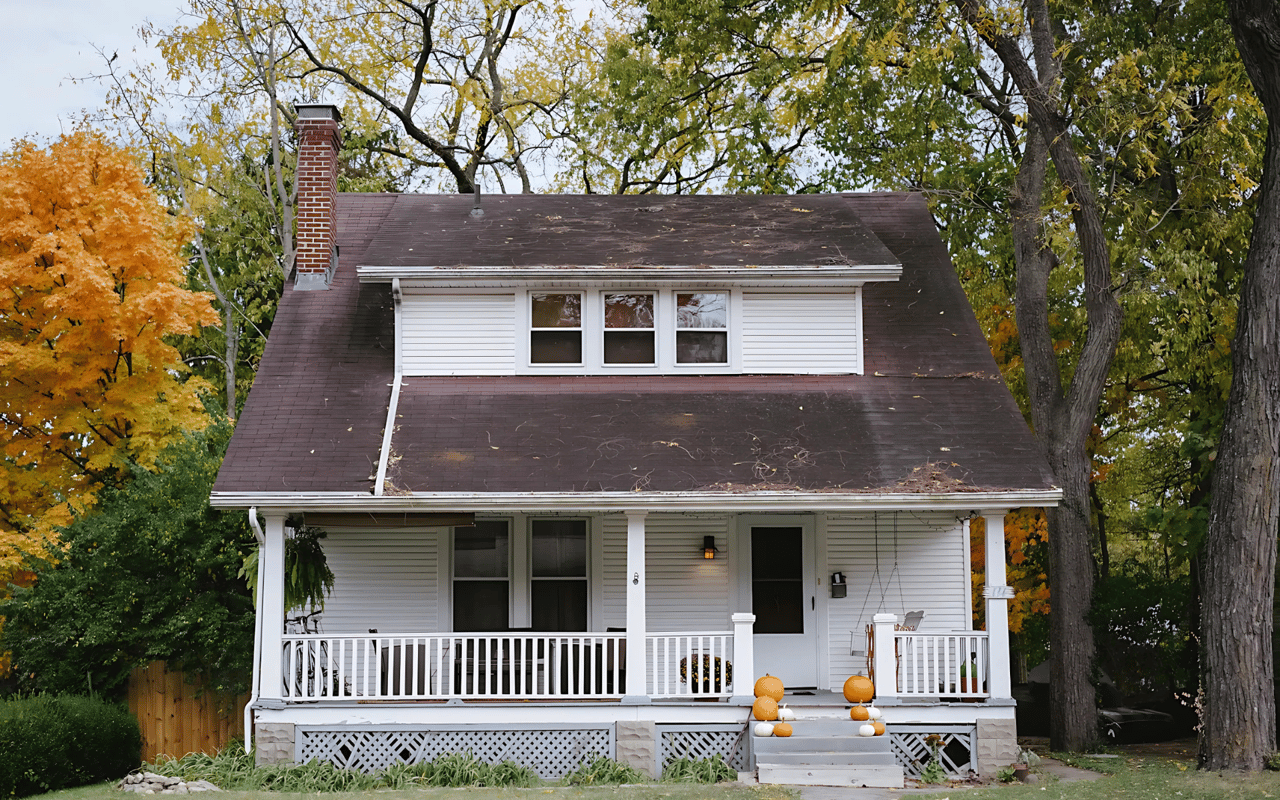
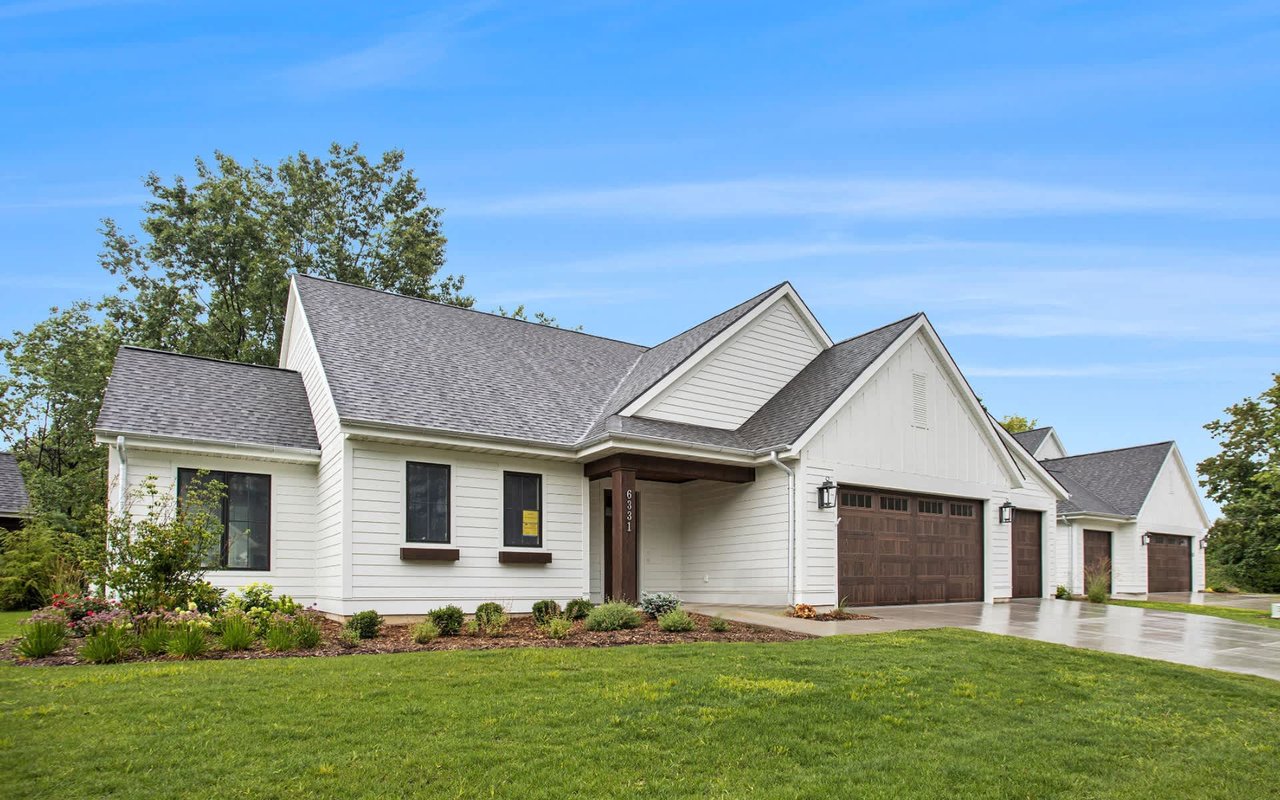
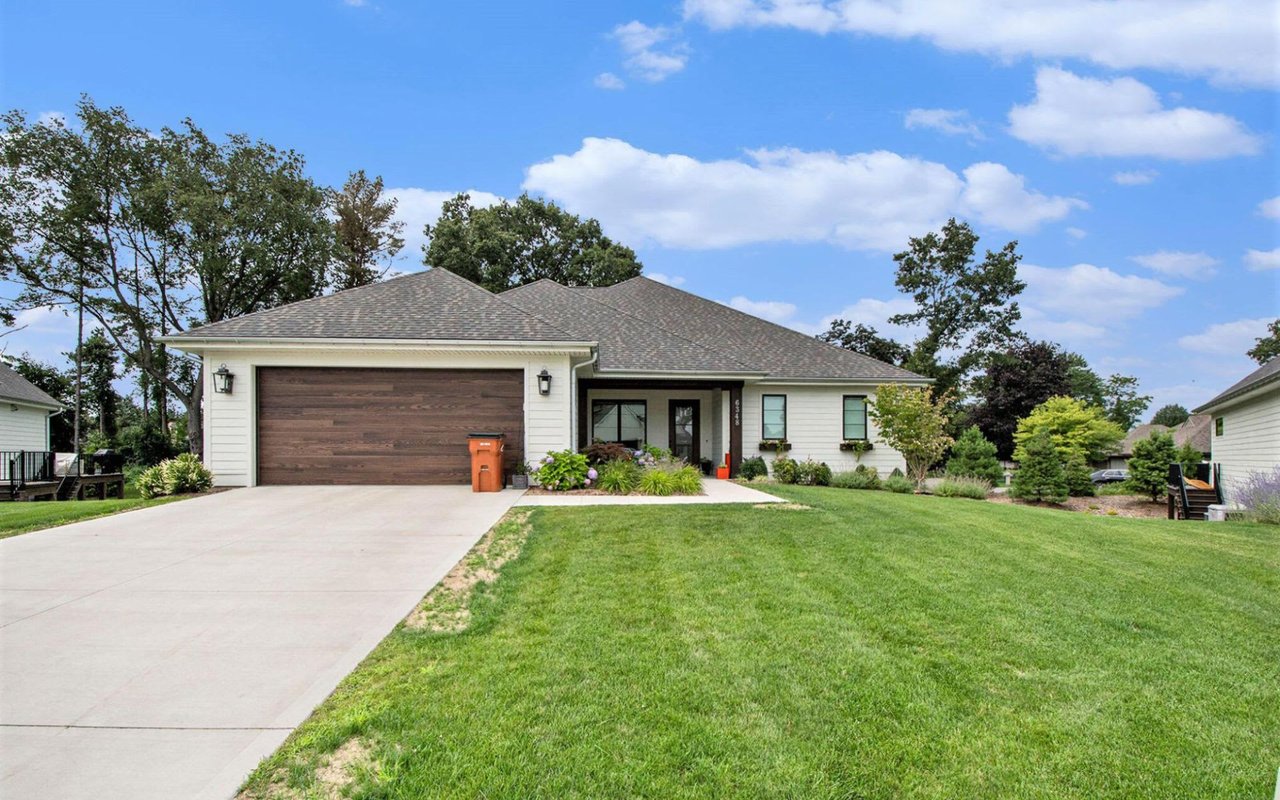
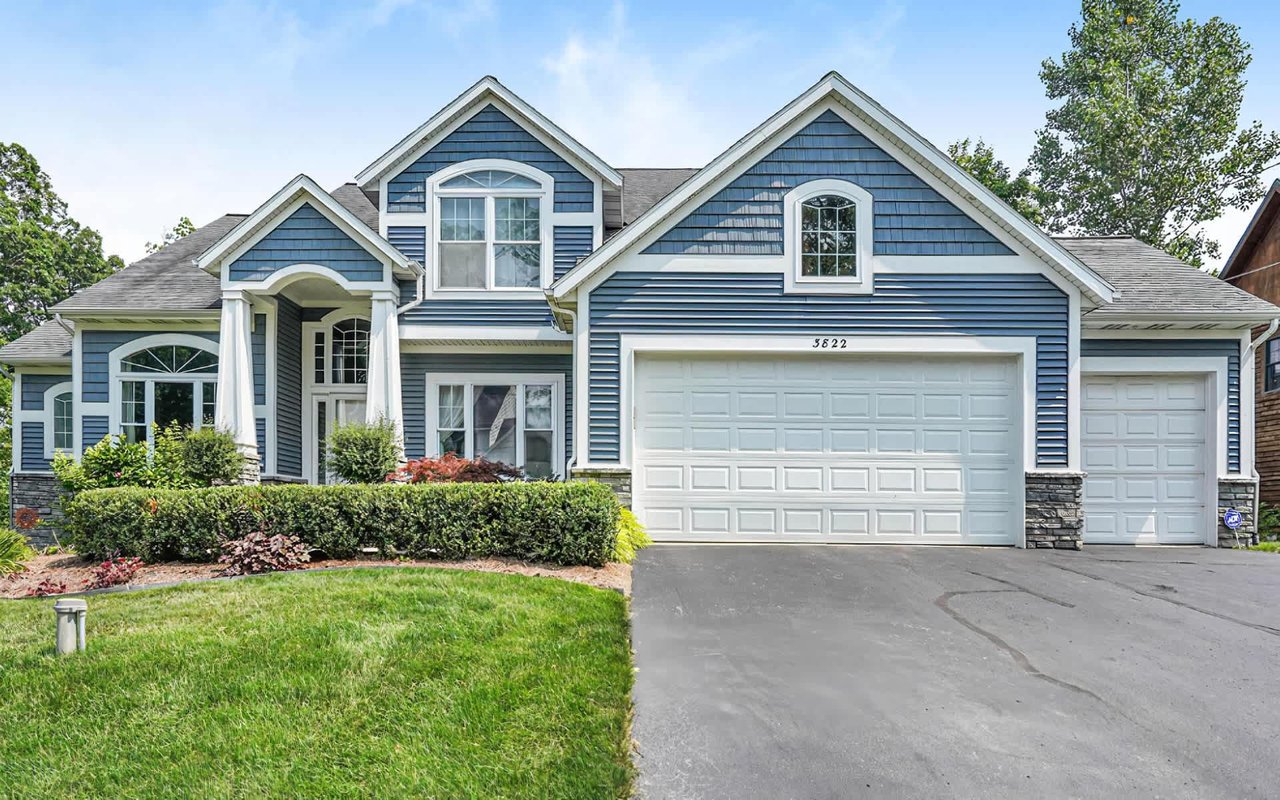
Your exterior sets the tone before buyers even walk inside. Clean landscaping, a tidy entry, and a well-kept front elevation can make a home feel move-in ready from the start.
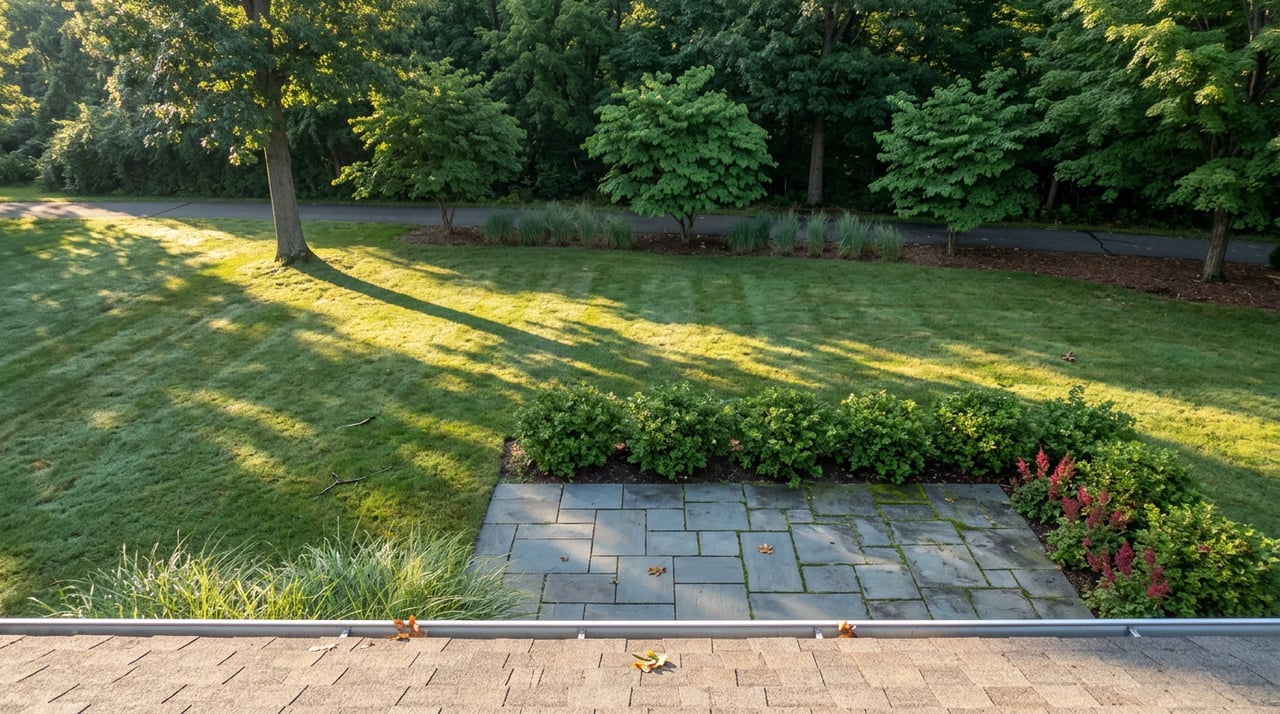
In a premium market, details matter. Fresh mulch, trimmed plantings, clean walkways, and simple seasonal color can help your property photograph better and show better in person.
Declutter and stage for space
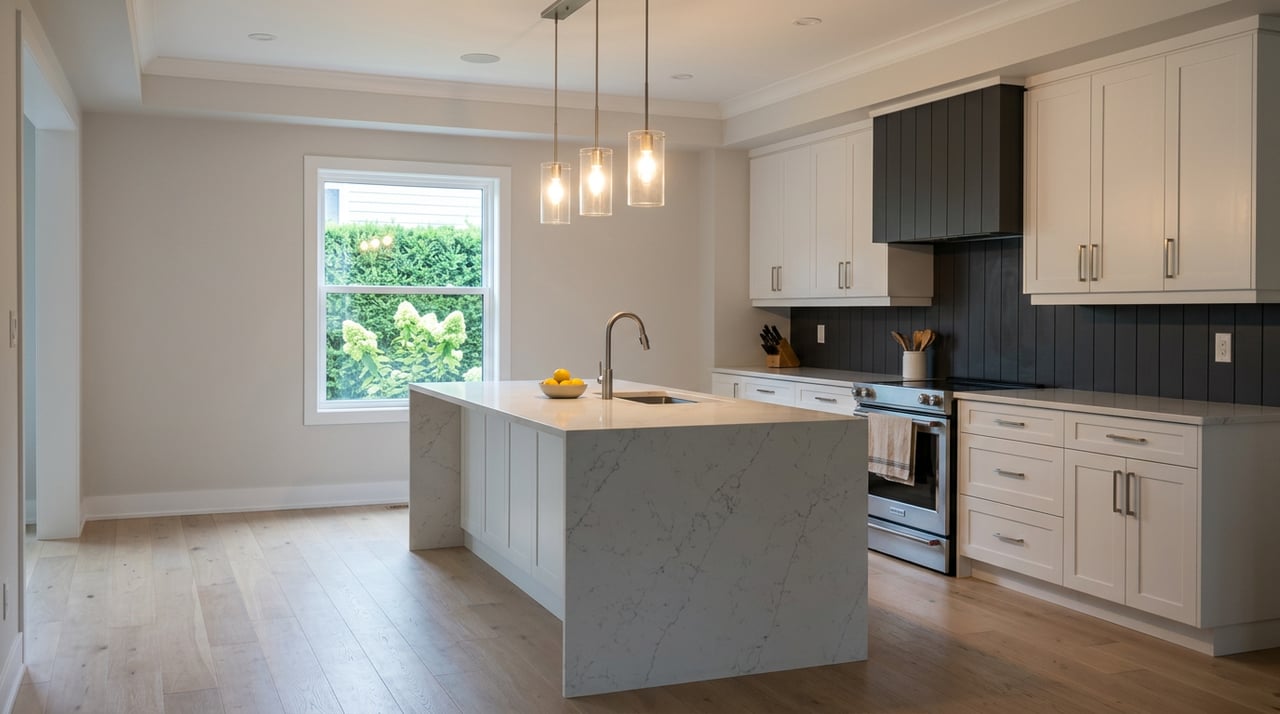
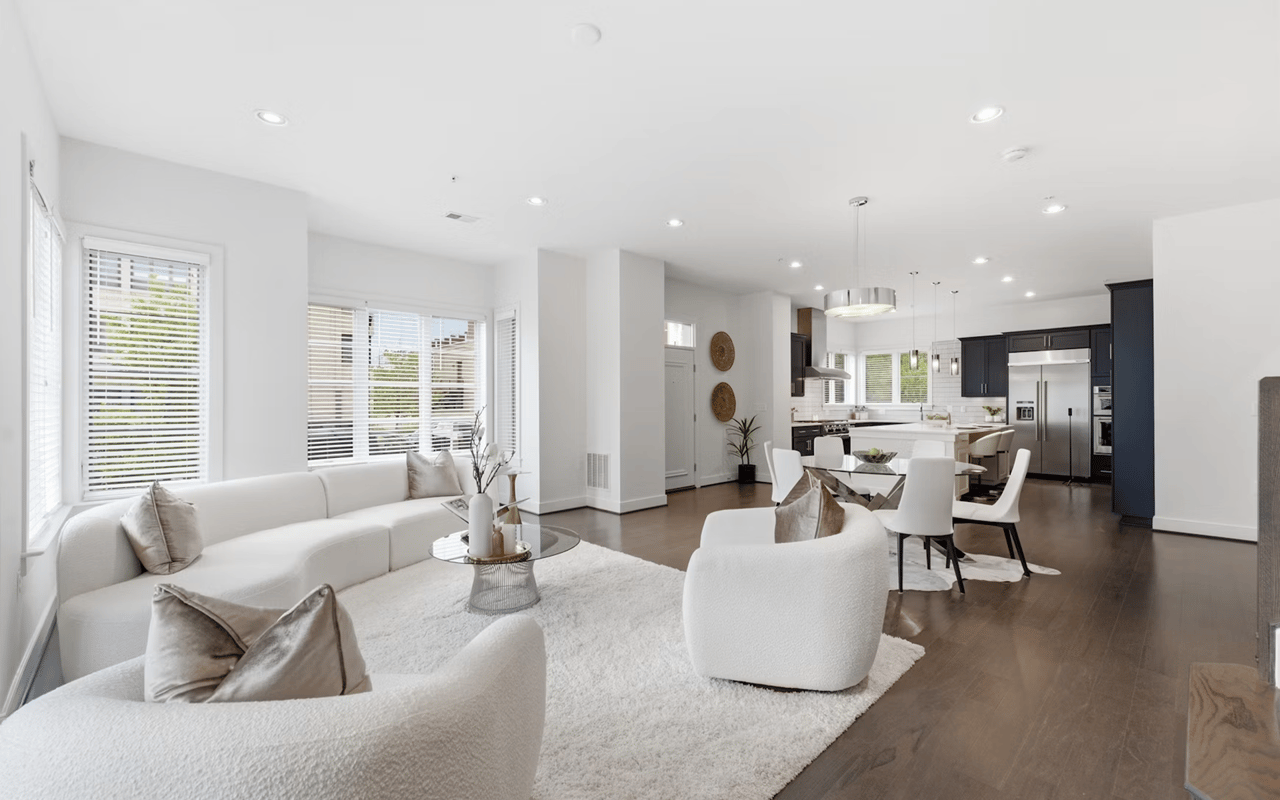
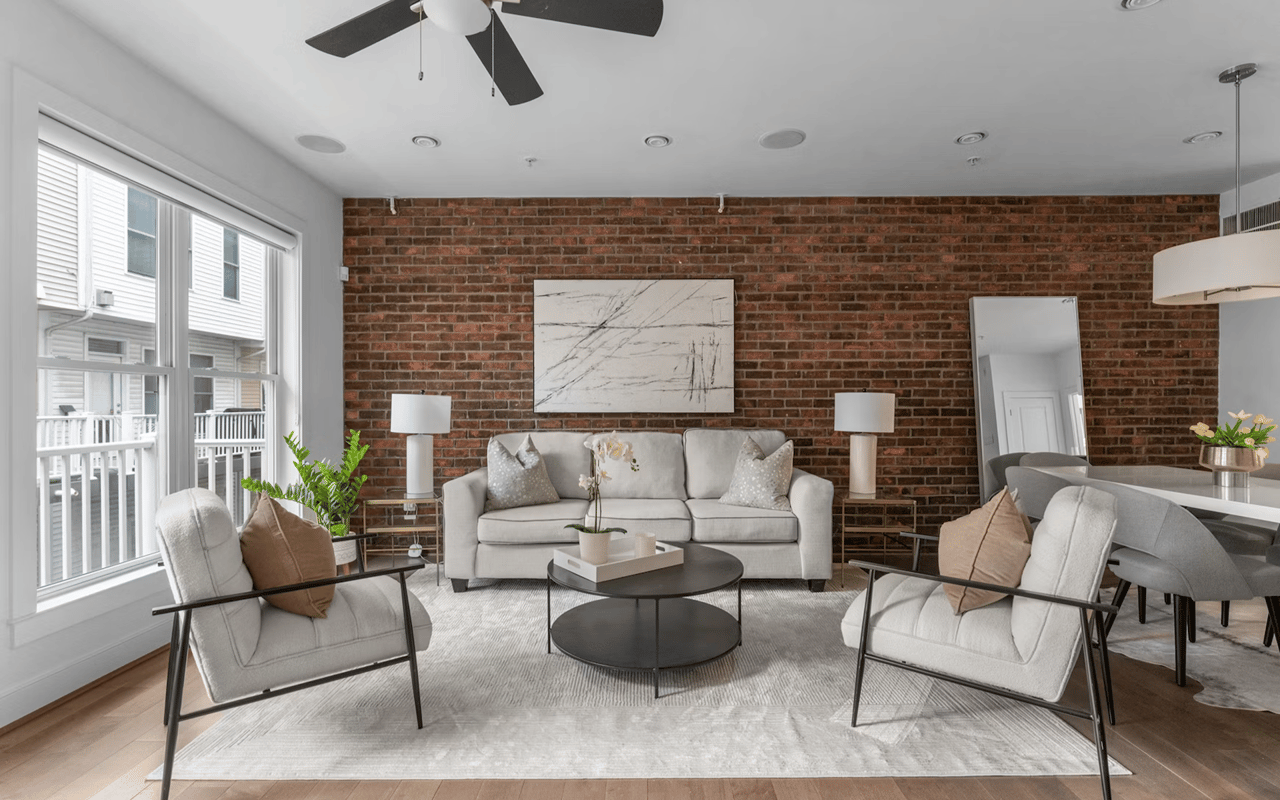
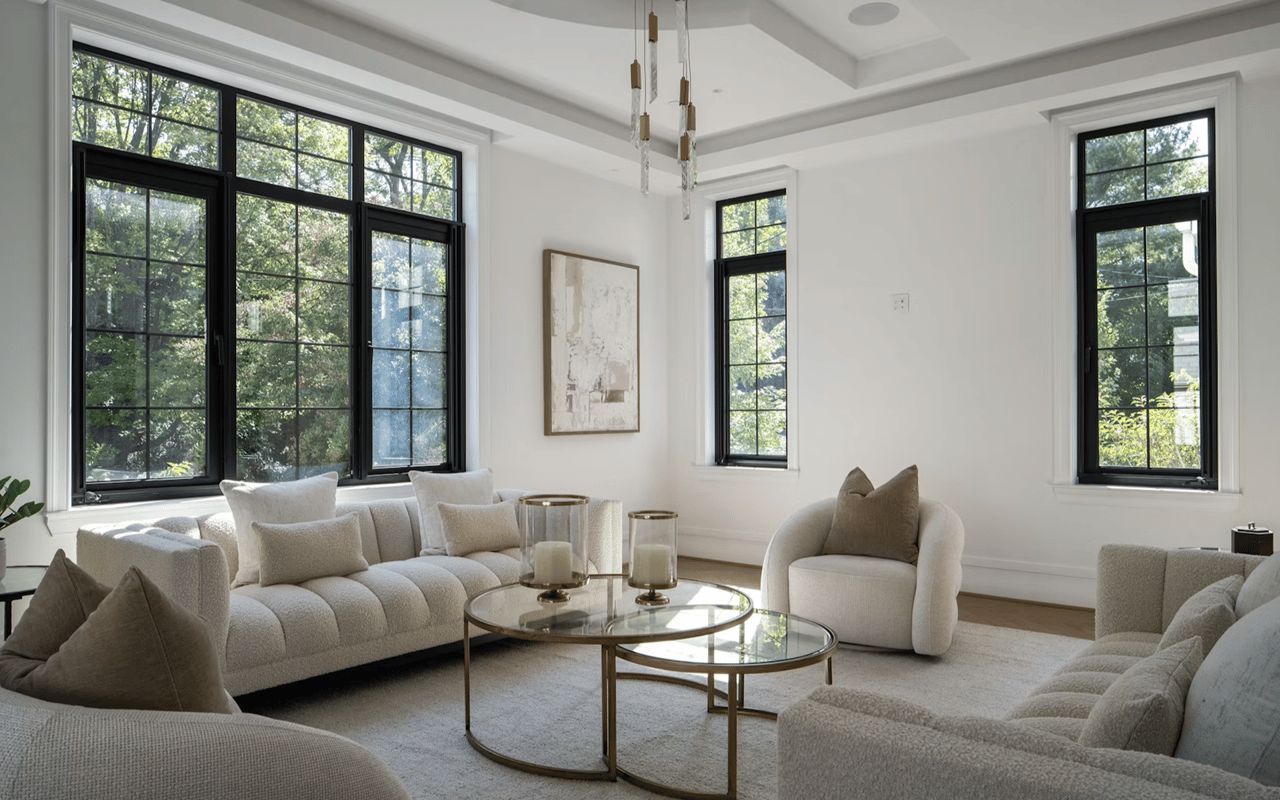
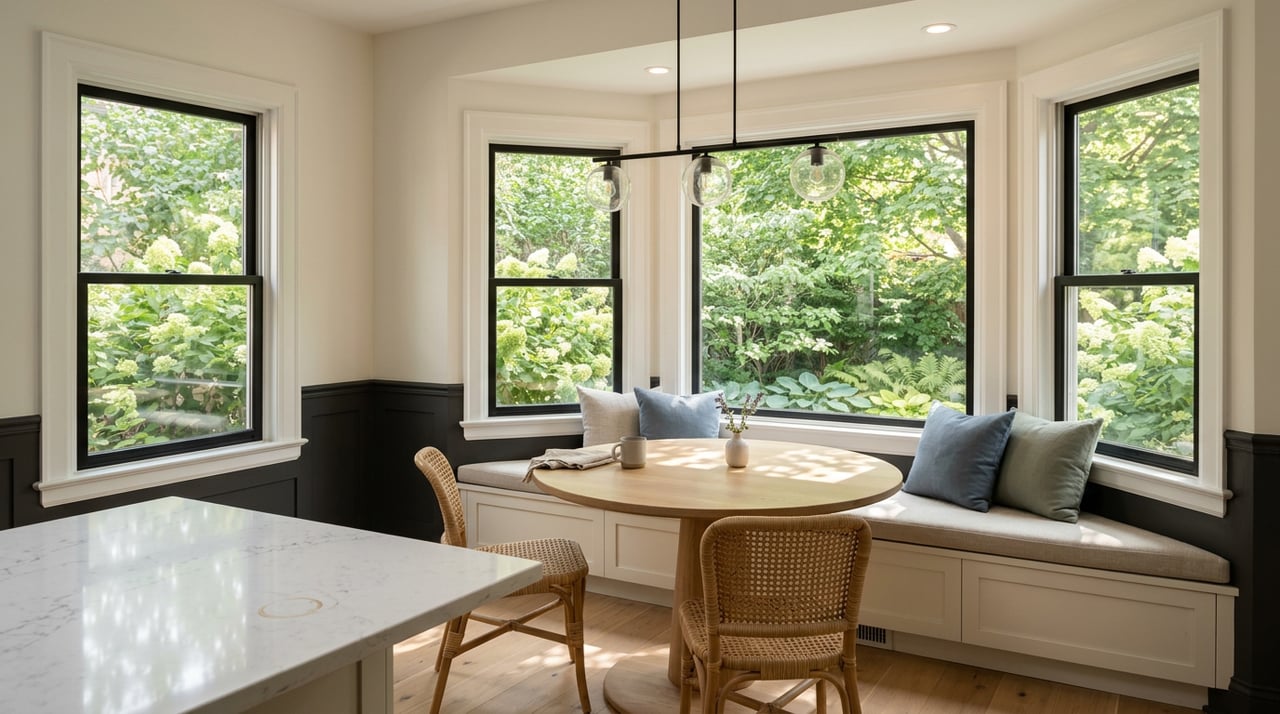
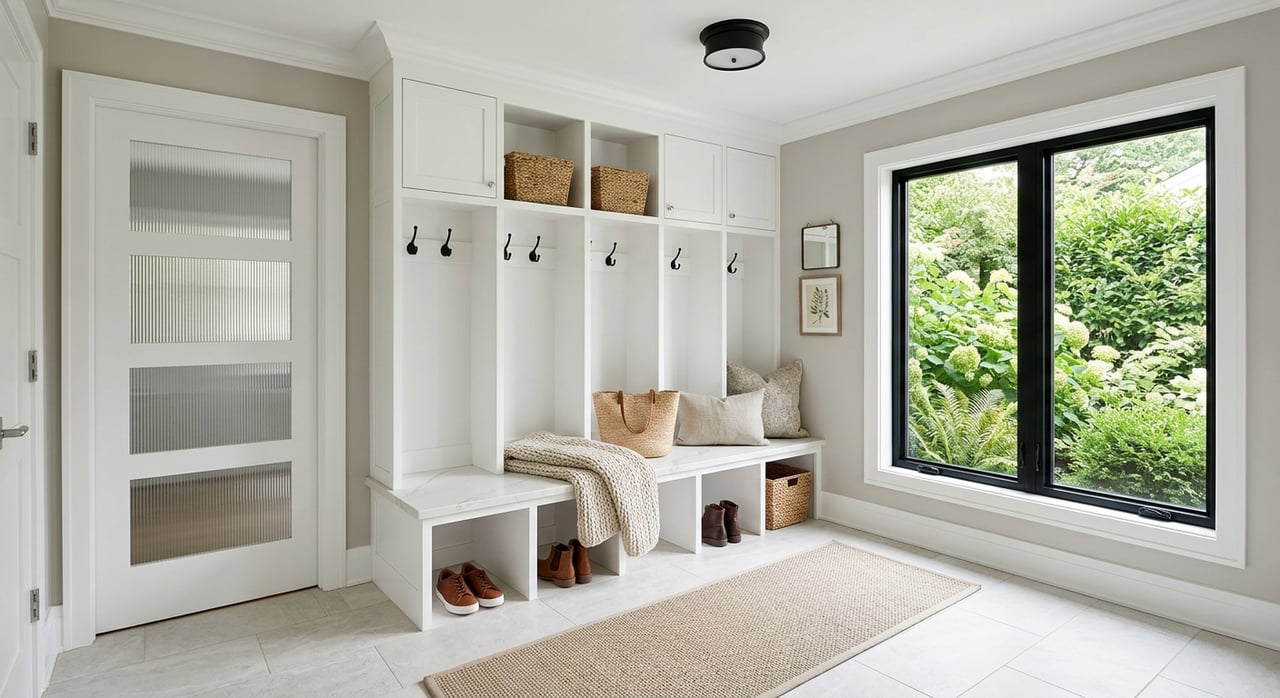
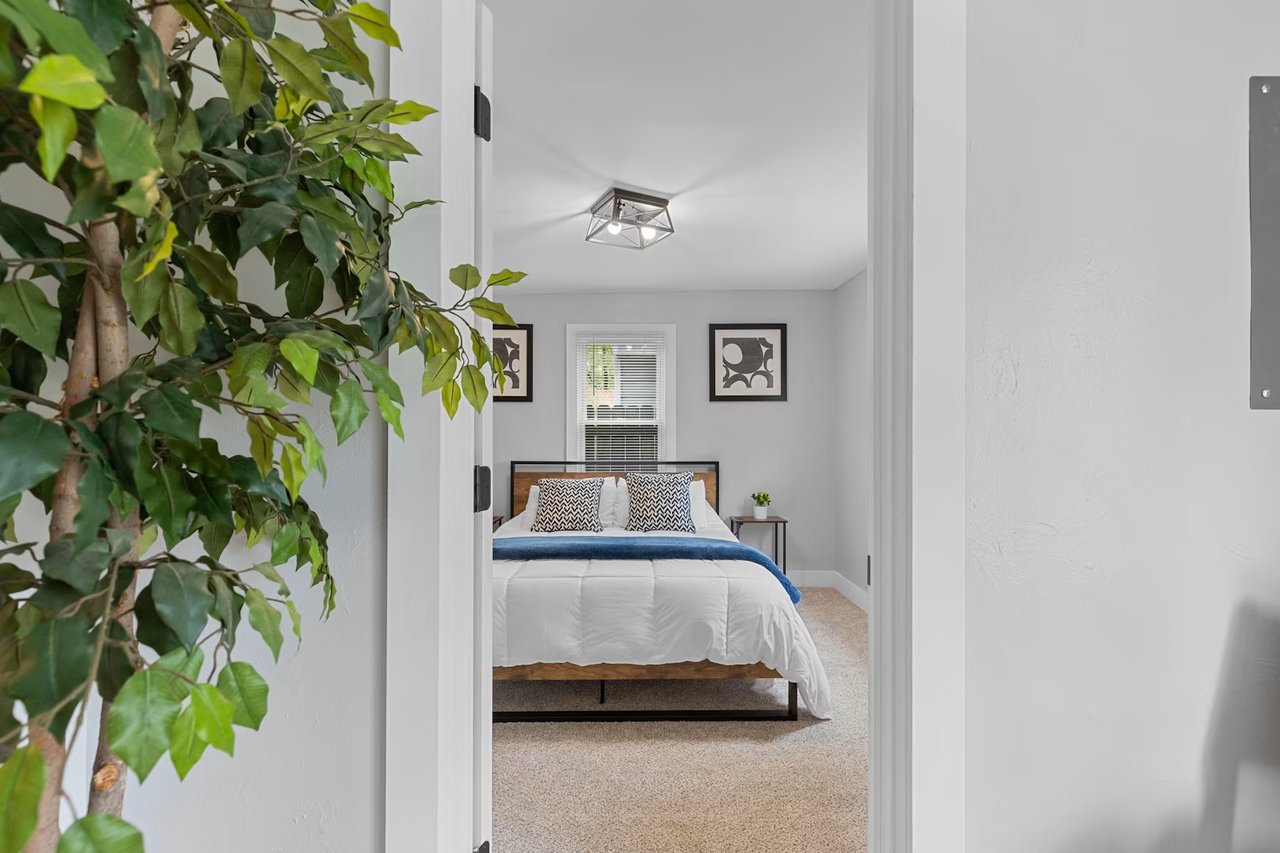
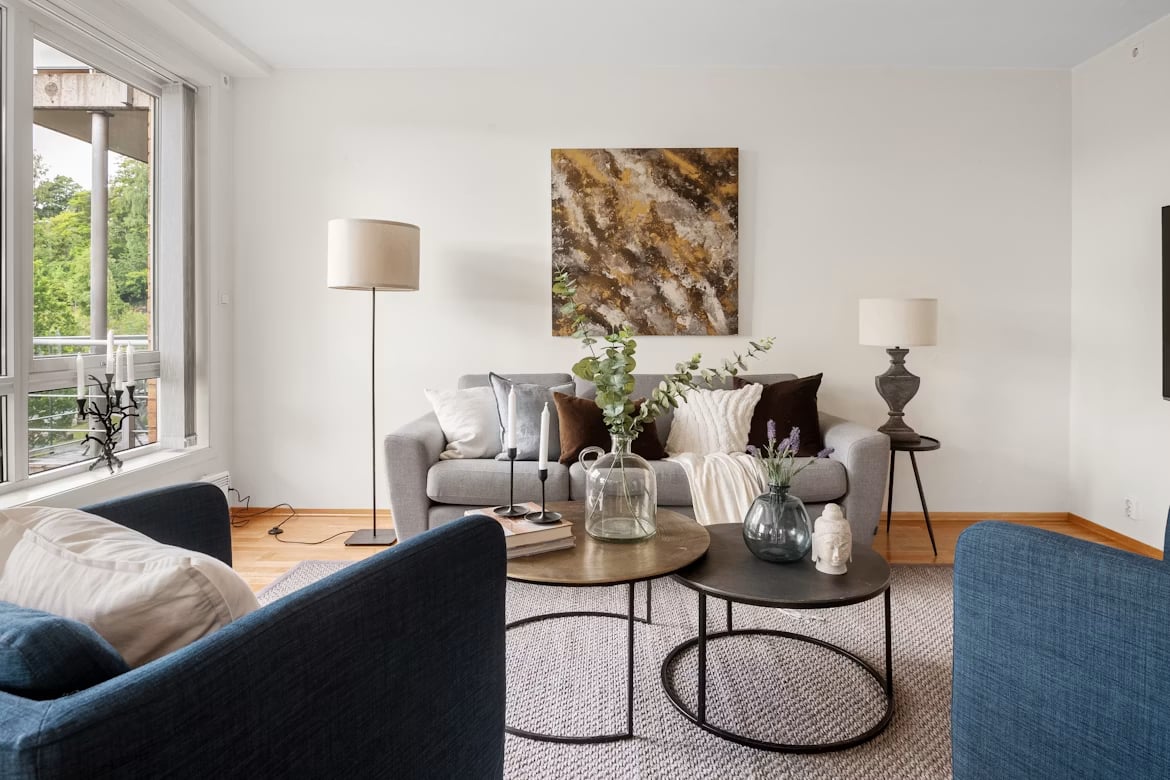
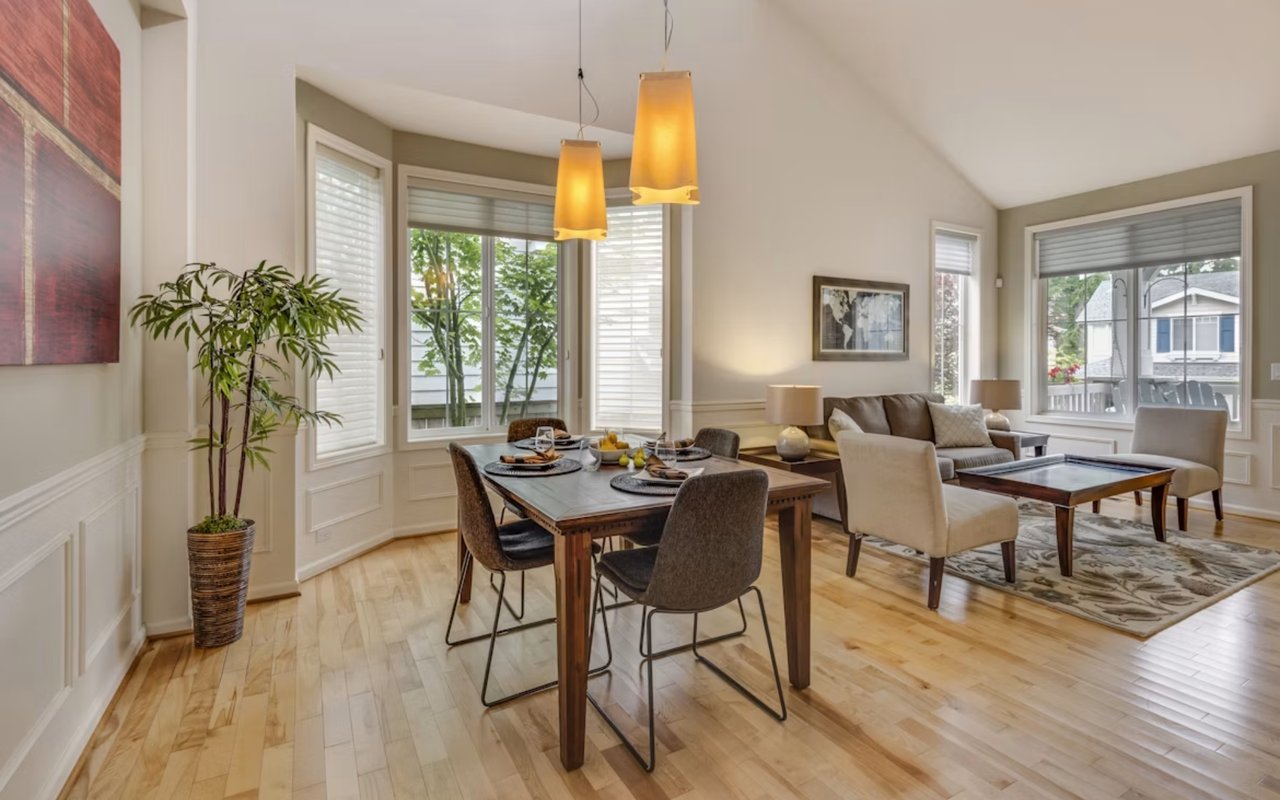
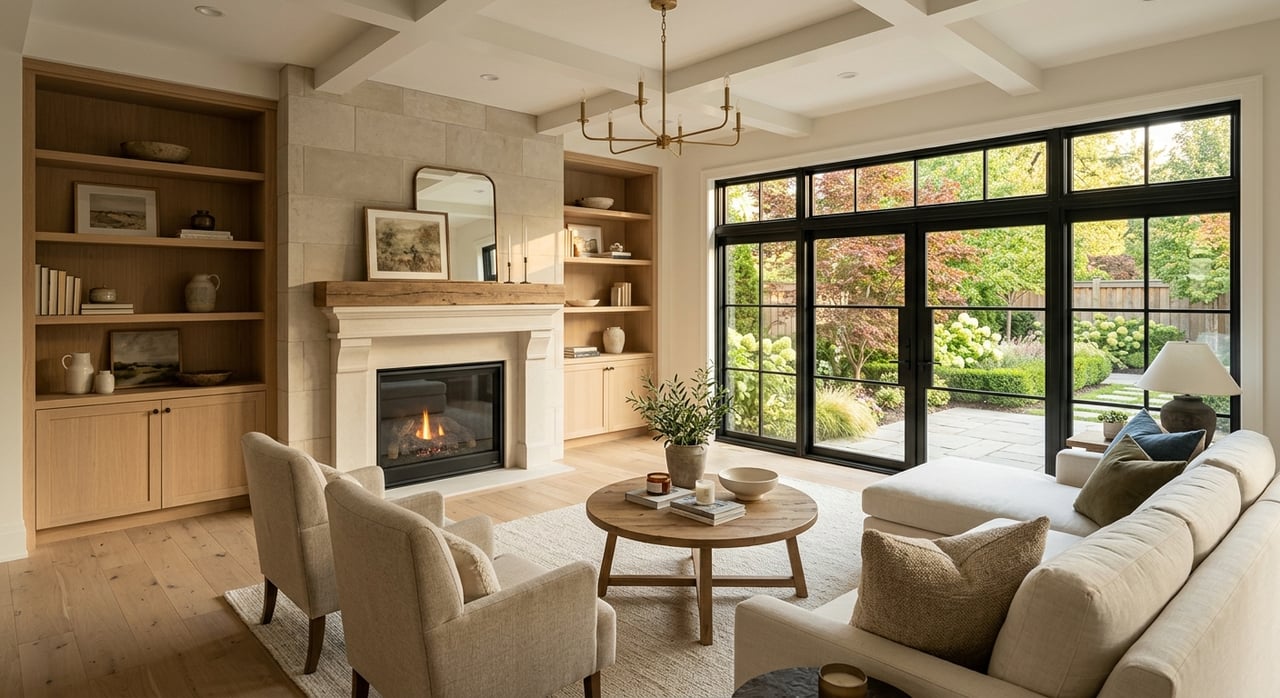
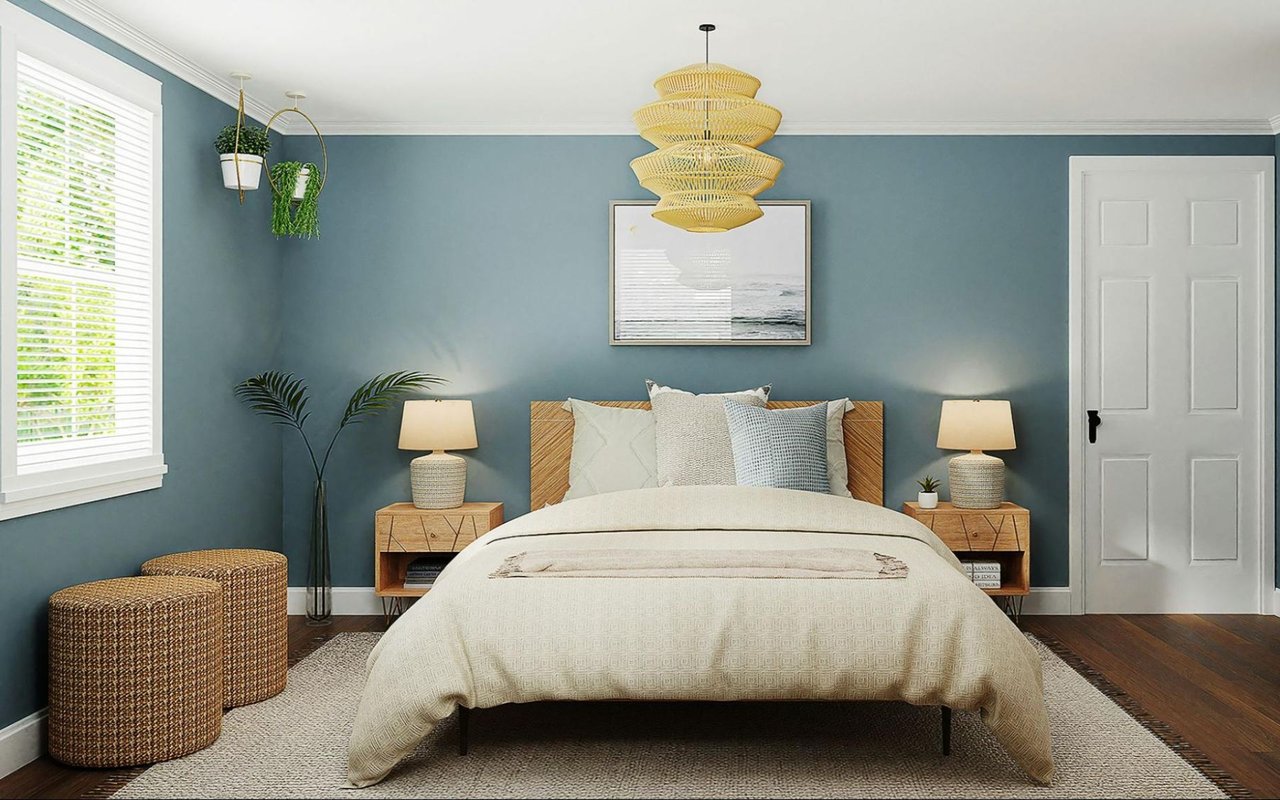
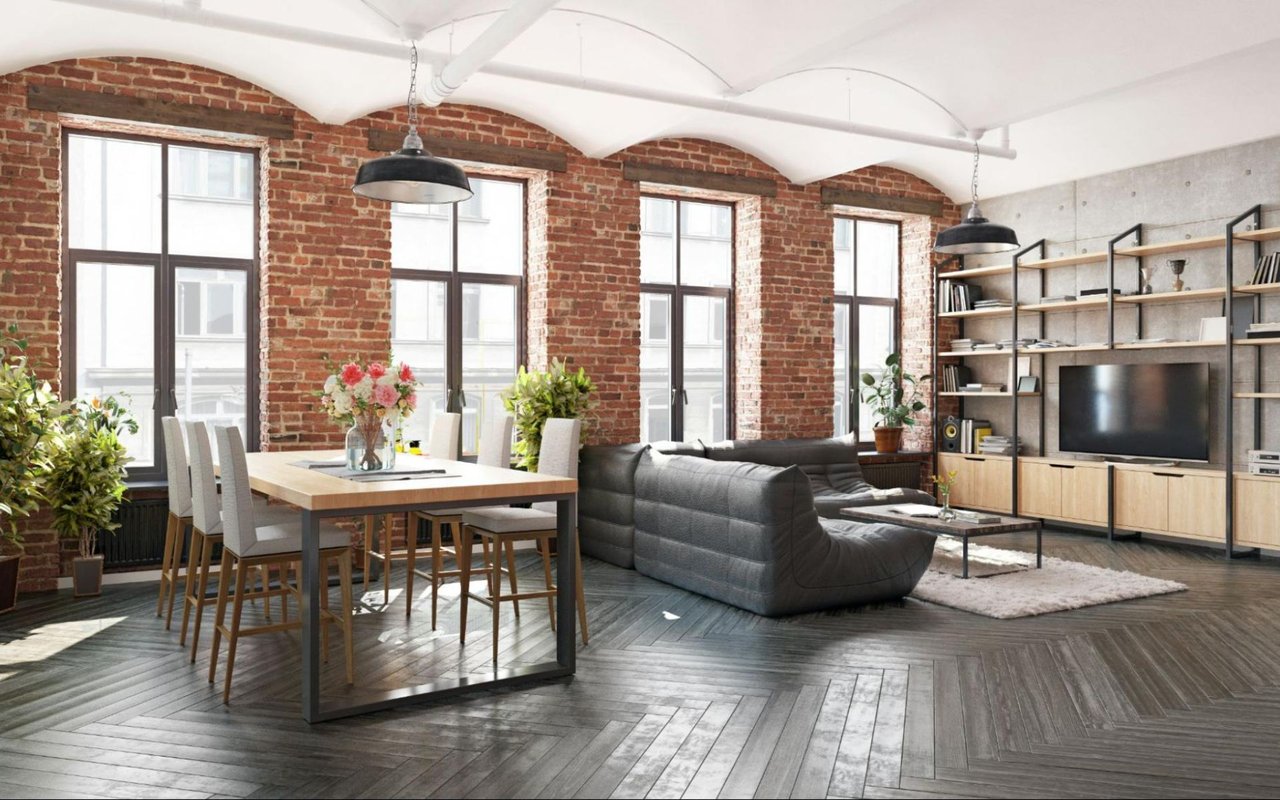
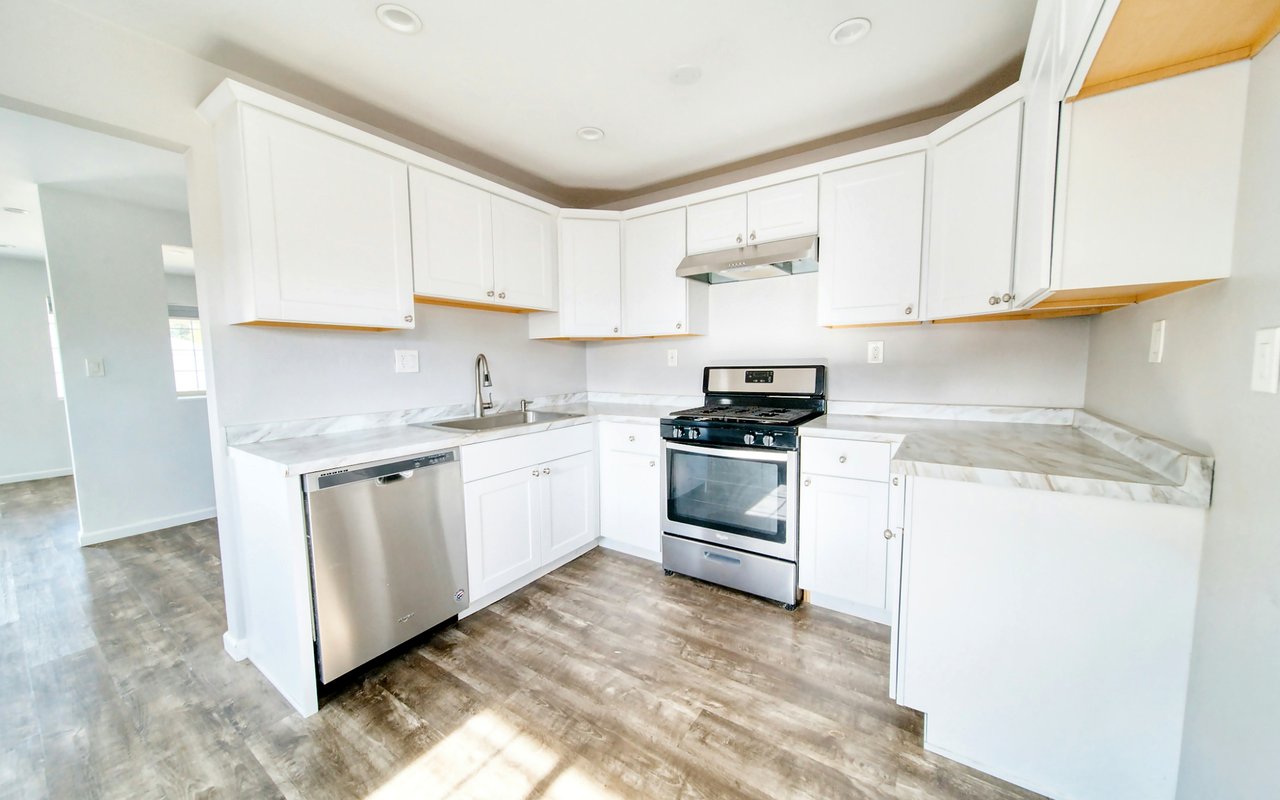
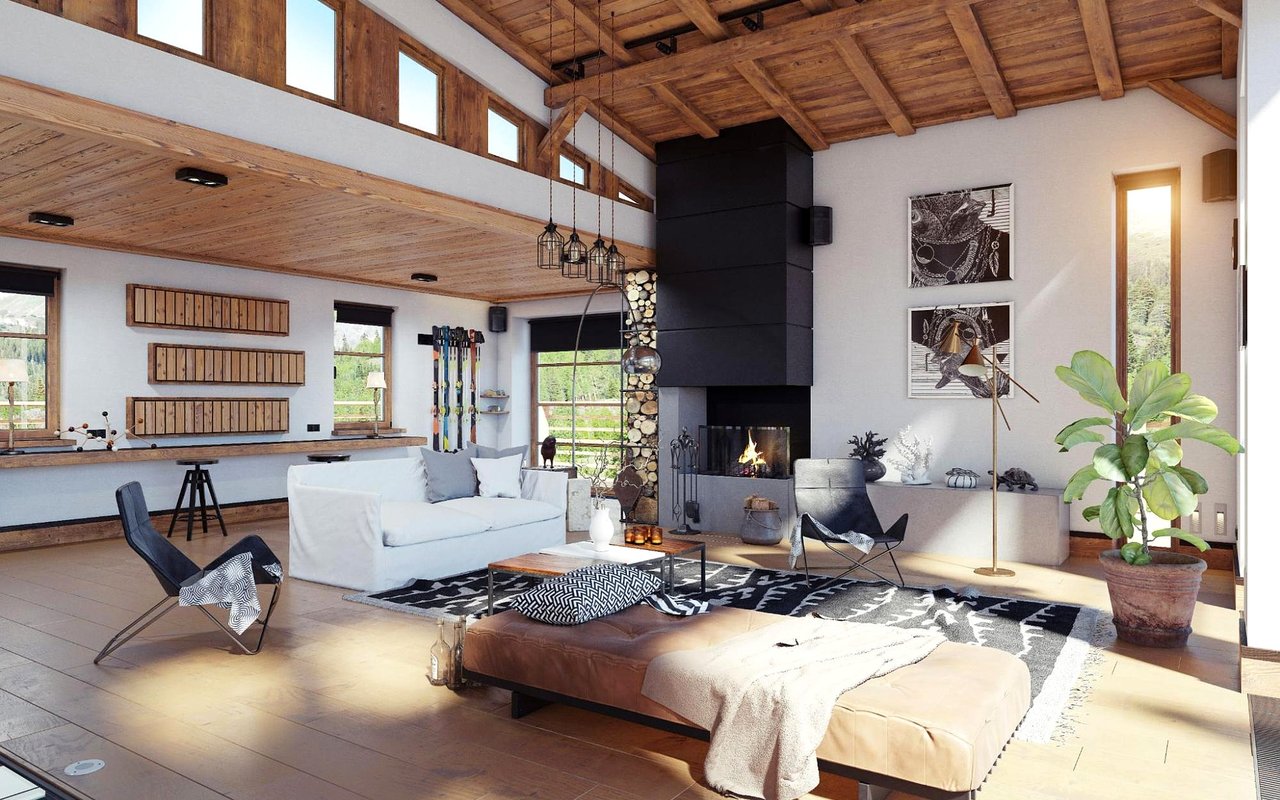
Decluttering helps buyers focus on the home itself rather than your belongings. Staging can then highlight flow, natural light, and the function of each room.
This is especially useful for older homes with unique layouts or smaller spaces. Thoughtful staging can help buyers understand how a room works and see the home’s best features more clearly.
Invest in professional photography and video
Cheryl Grant’s brand puts strong emphasis on professional listing presentation, including photography and video. That matters because your online listing is often the first showing.
Great visuals can help buyers connect with the home before they visit. They also support stronger marketing across online platforms, social media, email campaigns, local publications, and neighborhood-focused outreach.
What your listing should highlight
In East Grand Rapids, some features consistently help a listing connect with buyers. City materials point to walkability, Gaslight Village, Reeds Lake, parks, trails, and the school district as major draws. Cheryl Grant’s selling guide also recommends highlighting amenities, parks, schools, and recent upgrades in listing copy.
That does not mean every listing should sound the same. It means your marketing should connect your property to the local features buyers already value.
Key selling points to feature
Depending on the home, your listing may want to emphasize:
- Proximity to Gaslight Village
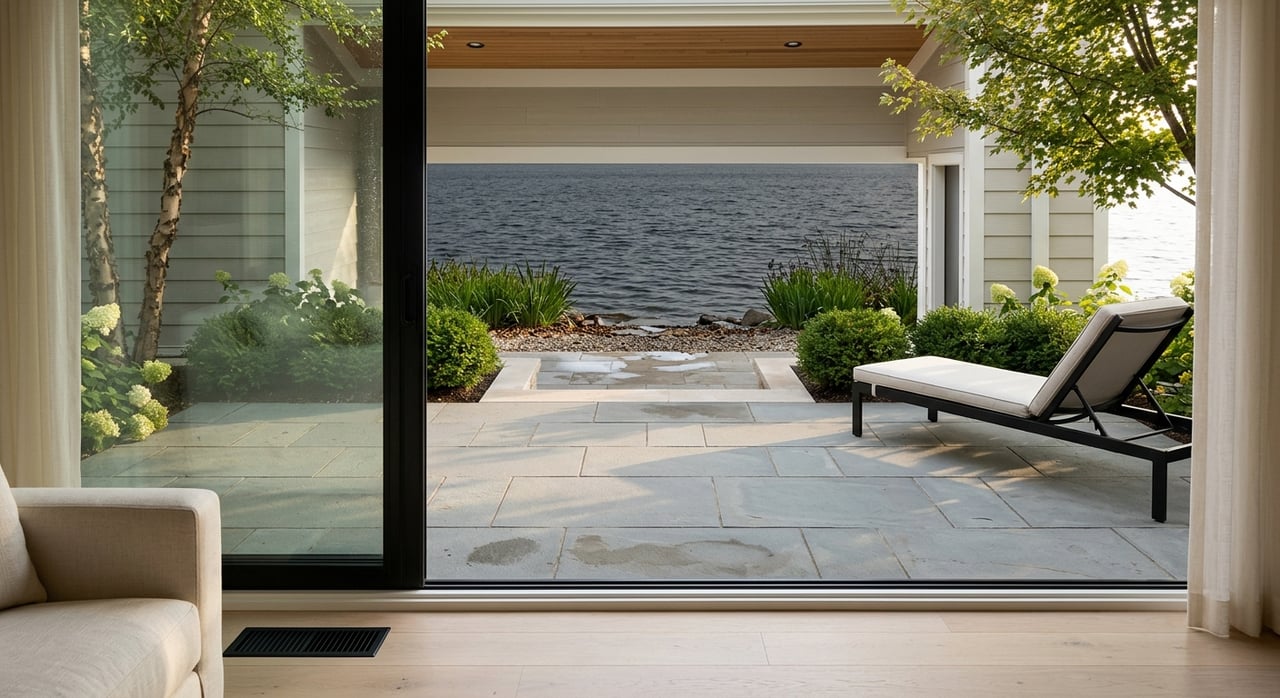
- Access to Reeds Lake, parks, or trails
- Walkable daily conveniences
- Recent renovations or major system updates
- Well-maintained condition
- Architectural character
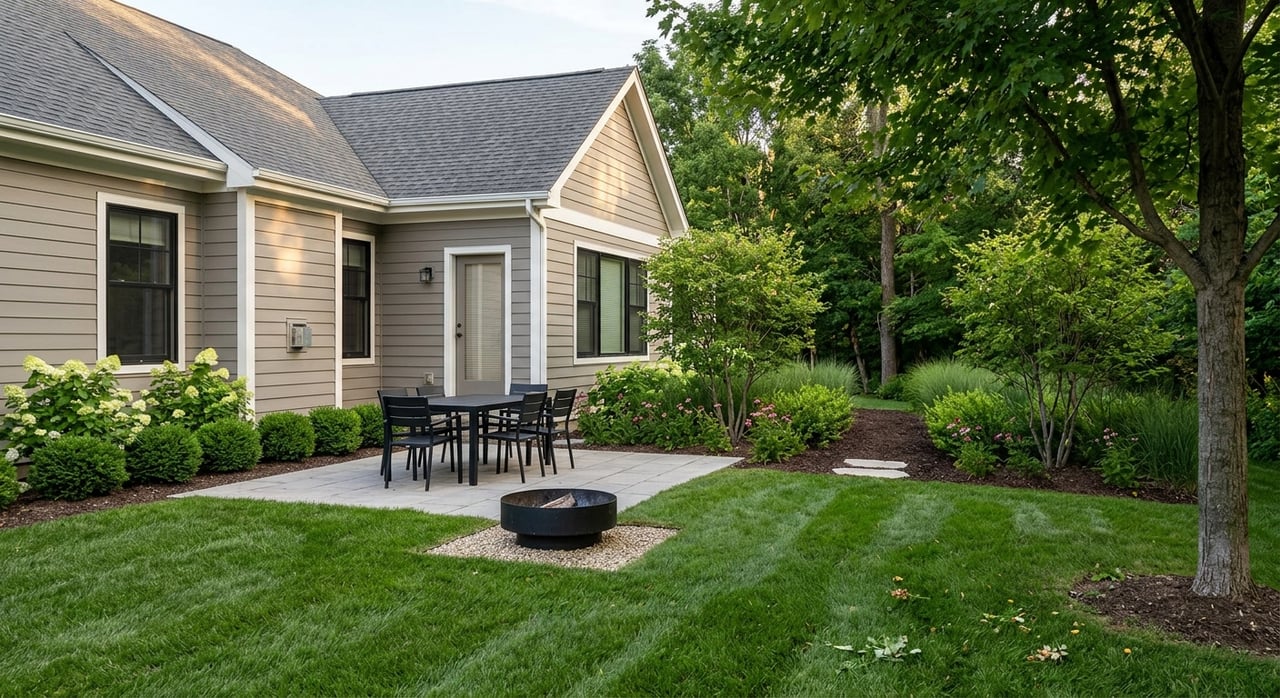
- Outdoor living space
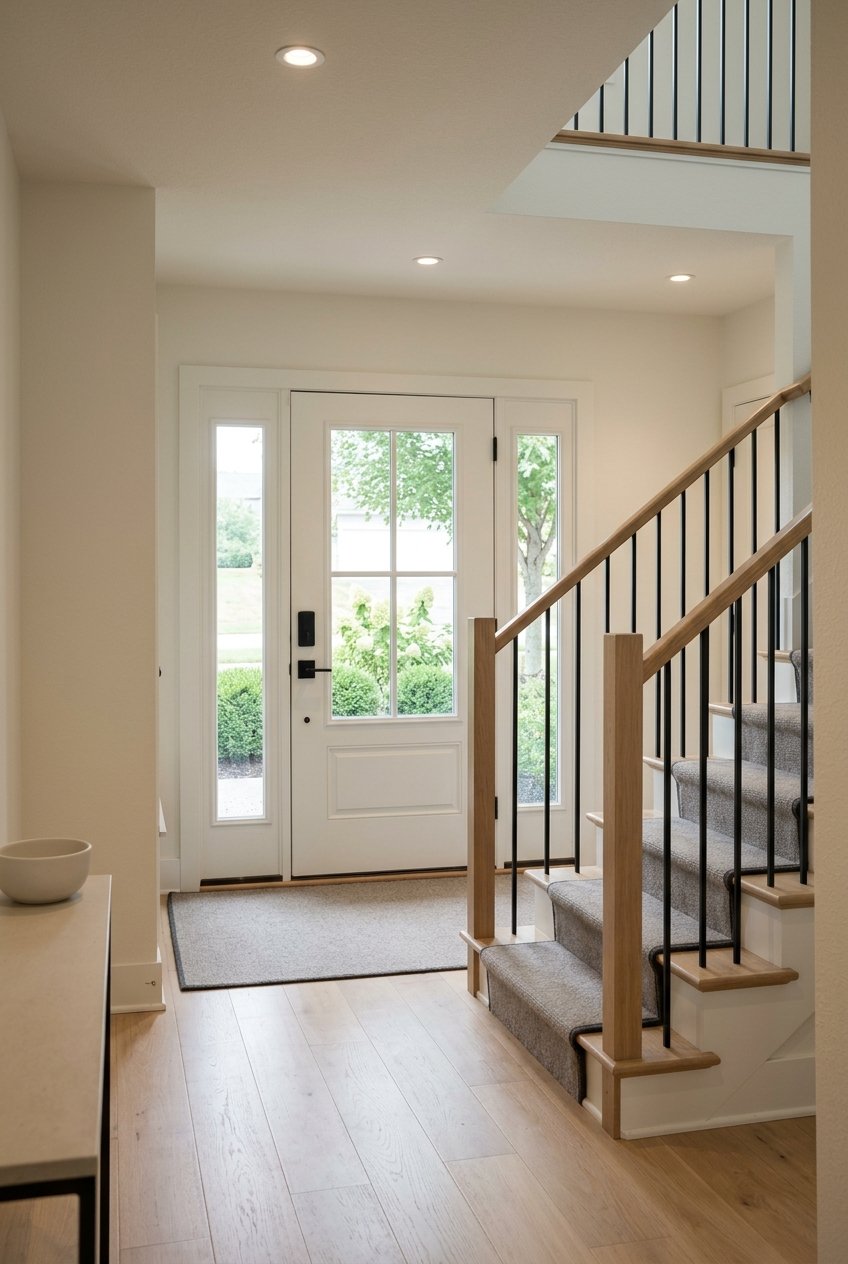
- Functional layout and storage
The right mix depends on the property. A strong listing tells a clear, truthful story about why your home stands out in this specific market.
Timing and execution still matter
Kent County had about 1.1 months of inventory in April 2026 based on pending sales, according to GRAR. That suggests a lean regional market, which can support sellers. Still, lean inventory does not remove the need for careful planning.
When you price well and market well from day one, you are more likely to attract serious buyers quickly. In East Grand Rapids, that can make the difference between a smooth sale and a listing that loses steam.
The best results come from strategy, not guesswork
Selling in East Grand Rapids is not just about putting a sign in the yard. It is about understanding how buyers compare homes, how local lifestyle factors affect value, and how presentation shapes demand. In a premium market, small decisions can have a big impact.
A thoughtful plan should bring together pricing, condition, staging, photography, and neighborhood-specific messaging. When those pieces work together, your home is better positioned to attract attention and strong offers.
If you are thinking about selling, the Cheryl Grant team can help you build a pricing and marketing plan tailored to your home and your goals. Start with a conversation and request a free home valuation from Cheryl Grant - MI - Main Site.
FAQs
What matters most when pricing a home in East Grand Rapids?
- Recent comparable sales, your home’s condition, renovations, size, and exact location within East Grand Rapids all play a major role in setting the right price.
How fast do homes sell in East Grand Rapids?
- Redfin’s April 2026 data shows sold homes averaging about 7 days on market, though active listings can take longer if pricing or presentation misses the mark.
What should marketing highlight for an East Grand Rapids home?
- Marketing should focus on the home’s condition, updates, and location-specific benefits such as walkability, Gaslight Village, Reeds Lake, parks, trails, and nearby amenities.
Should sellers get a pre-sale inspection in East Grand Rapids?
- A pre-sale inspection can help you uncover condition issues early, reduce renegotiation risk, and support smarter repair or pricing decisions before you list.
Why do some East Grand Rapids homes need price drops?
- Even in a strong market, buyers respond best to homes that are accurately priced for their condition, updates, and micro-location, so overpricing can lead to slower activity and later reductions.