By The Cheryl Grant Real Estate Team
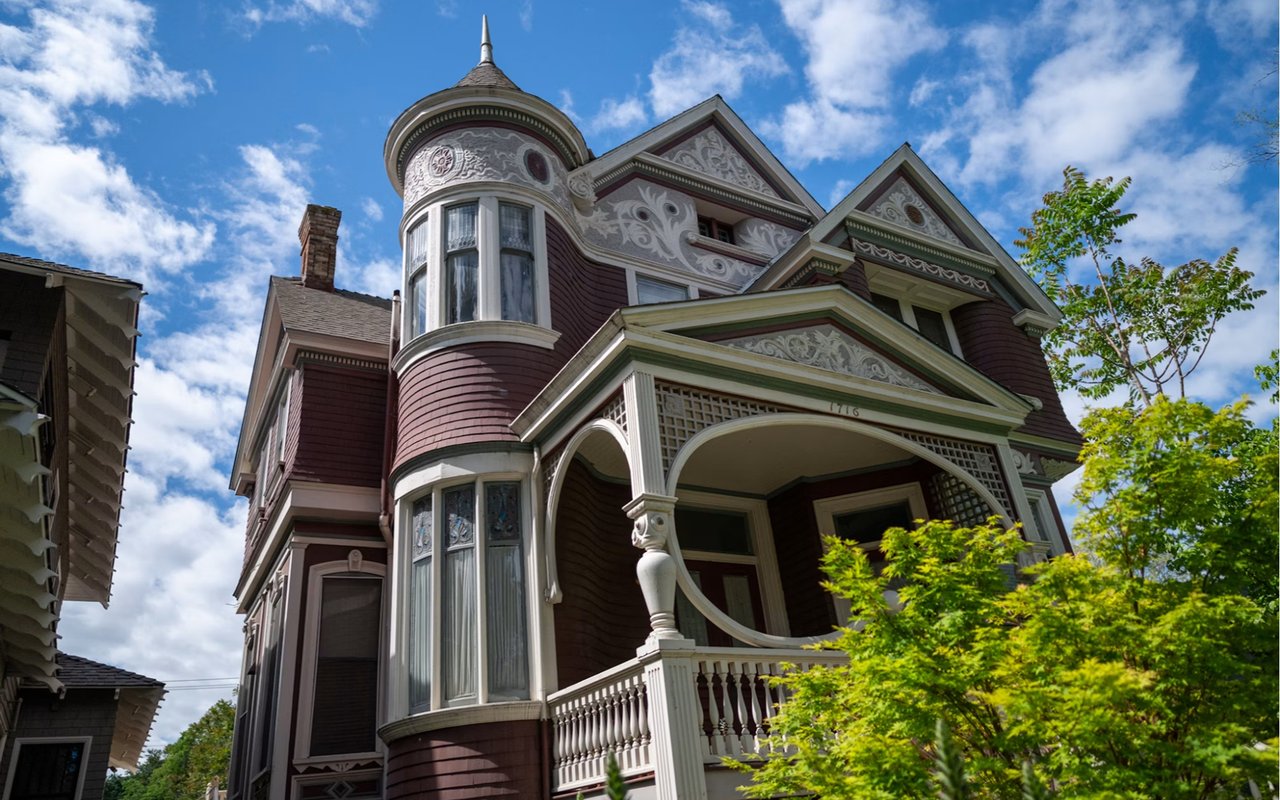
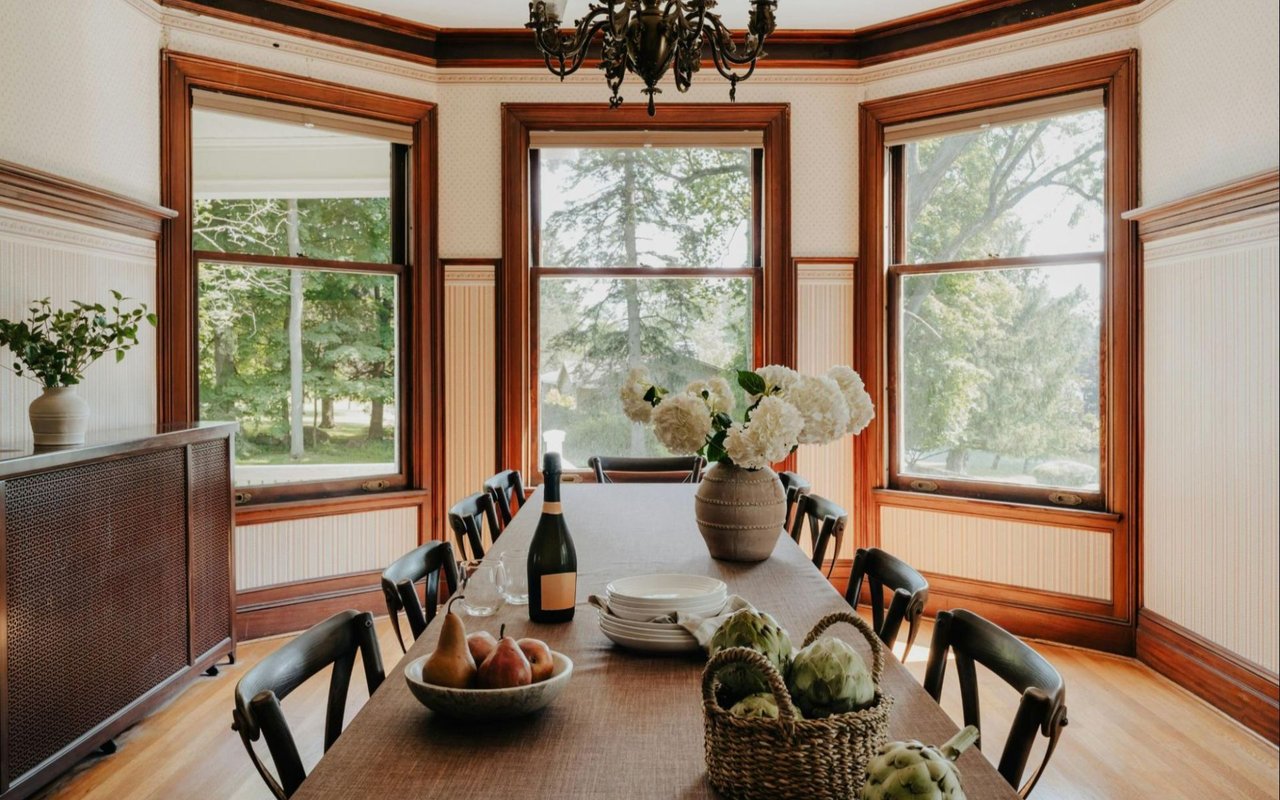
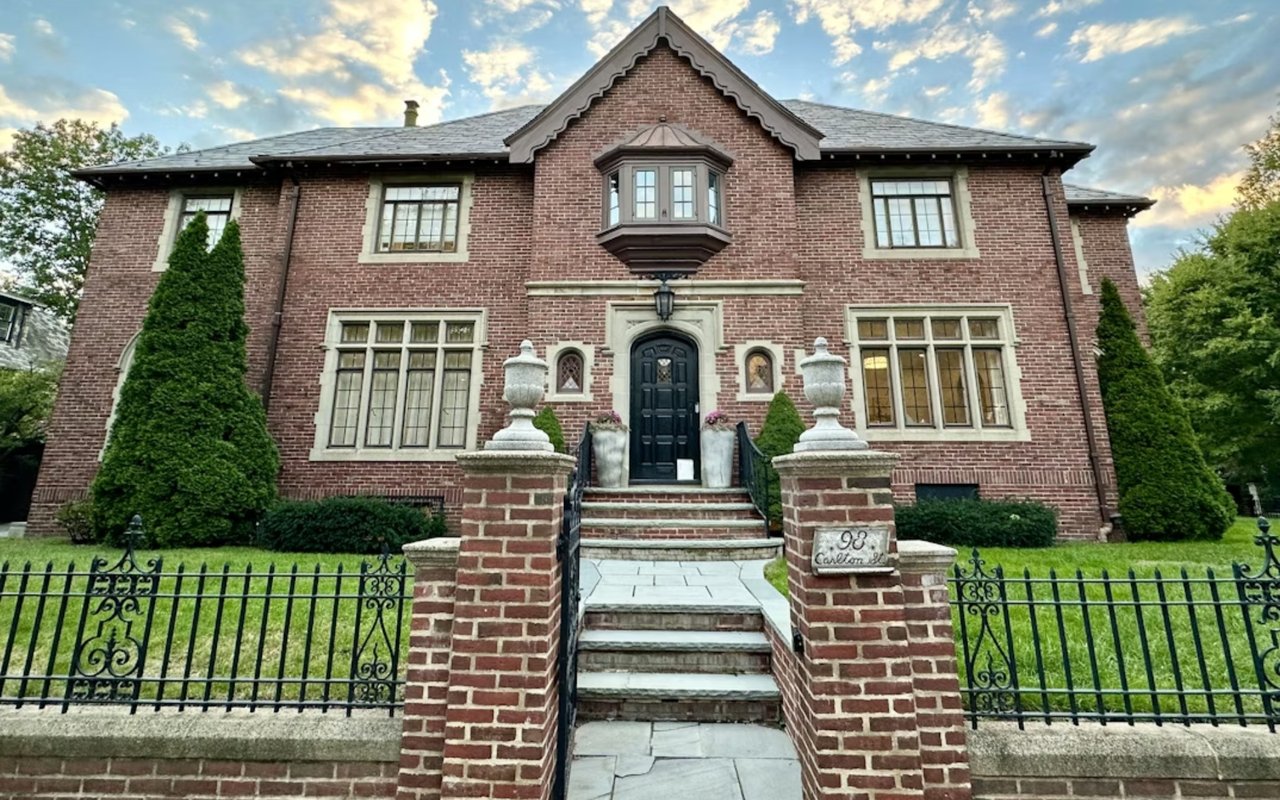
Maintaining historic homes in Grand Rapids comes with a layer of review that catches many owners off guard, especially those moving from a standard suburban property. Between the city's Certificate of Appropriateness process and the realities of working with century-old materials, understanding these rules before you start a project protects both your timeline and your home's character.
Key Takeaways
- Grand Rapids maintains six locally designated historic districts, including Heritage Hill, one of the largest historic districts in the United States.
- Most exterior changes visible from the street require a Certificate of Appropriateness, a separate approval process from a standard building permit.
- In-kind repairs using matching materials are often exempt from full Historic Preservation Commission review, while any material, color, or profile change typically isn't.
- Full commission review can take three to six weeks, and larger additions over 1,200 square feet carry their own $435 review fee.
Know Whether a Certificate of Appropriateness Applies to Your Home
Before planning any exterior project, the first step is confirming whether your home actually falls under this additional layer of review. Not every Grand Rapids home does, but many in the city's older neighborhoods do.
What Actually Triggers This Requirement
- The city maintains six locally designated historic districts, including Heritage Hill, widely recognized as one of the largest historic districts in the entire country
- Properties within these districts, or designated as individual historic landmarks, require a Certificate of Appropriateness for most exterior changes visible from the street
- This approval is separate from, and generally required before, the city will issue a standard building permit
- Confirming your property's specific historic designation status with the city's Historic Preservation Commission is the essential first step before planning any exterior work
Skipping this confirmation step is one of the most common mistakes new historic homeowners make, often discovering the requirement only after work has already begun.
Understand What Typically Triggers Full Commission Review
Once you know your home falls under this process, the next question is how much review a specific project actually requires. Some work moves quickly through staff approval, while other changes require a full public hearing.
What Generally Requires This Level of Review
- Window and door replacements, including storm windows, along with major changes to siding, trim, or porch details
- Roofing projects that change the material, color, or profile, switching from cedar shake to asphalt, or from a three-tab to an architectural shingle, for example
- Additions, new decks, exterior doors, and visible HVAC equipment placement
- Masonry cleaning, repointing, and chimney work, given how visibly these projects affect a home's historic character
By contrast, in-kind replacement using the same material, color, and profile as what's already there is generally exempt from full commission review, though it typically still requires a standard building permit.
Plan for Longer Timelines Than a Standard Remodel
Historic review adds real time to a project timeline, and factoring this in during the planning stage prevents real frustration later. This is one of the biggest adjustments for owners used to a standard remodel timeline.
What to Actually Expect
- Full Historic Preservation Commission review typically takes three to six weeks, depending on whether a project qualifies for staff-level approval or requires a full hearing
- Large-scale additions over 1,200 square feet carry their own $435 review fee and require a public hearing with an earlier filing deadline
- Once a Certificate of Appropriateness is approved, a standard building permit, valid for 180 days, still needs to be issued separately
- Coordinating the historic review and building permit applications together, rather than treating them as sequential steps, helps keep an overall project from stalling
Building this extended timeline into your renovation plans from the start, rather than assuming a standard contractor's schedule will apply, protects you from a frustrating mid-project delay.
Budget for Historic-Specific Maintenance Realities
Beyond the approval process itself, maintaining a historic home often means working with materials and techniques that cost more and take longer than modern equivalents. Understanding this upfront helps with realistic budgeting.
What These Materials Actually Require
- Cedar shake, original to a significant share of Heritage Hill homes, carries premium pricing of roughly $20 to $35 per square foot installed, with material lead times running 8 to 16 weeks
- Specialty crews experienced in historic materials are often required, since standard contractors may not have the right expertise for period-accurate work
- Routine maintenance, rather than wholesale material changes, is generally treated differently under the review process, making regular upkeep a genuinely smart way to avoid bigger, more regulated interventions down the road
- Staying ahead of smaller repairs, rather than waiting until a full replacement becomes necessary, often keeps both costs and review requirements more manageable over time
Approaching historic home maintenance with this long-term mindset, rather than reacting only when something fails completely, tends to produce better outcomes for both your budget and your home's preserved character.
Frequently Asked Questions
Do I need approval for every exterior change to a historic Grand Rapids home?
Not every change requires full commission review. In-kind repairs using matching materials are often exempt, though they still typically require a standard building permit.
How long does historic preservation review actually take?
Full Historic Preservation Commission review generally runs three to six weeks, depending on whether a project qualifies for staff-level approval or needs a full public hearing.
Is cedar shake roofing required on all Heritage Hill homes?
No, but it was original to many properties and remains an allowed, if premium-priced, option, with other materials sometimes permitted depending on a home's specific architectural style.
Work With a Team That Understands Grand Rapids's Historic Homes
It's the mission of the Cheryl Grant Real Estate Team to build client trust through superior representation grounded in sincerity, integrity, knowledge, and value. Cheryl refined her management and leadership skills leading a 40-person news team at Grand Rapids's ABC-TV station, and that same integrity carried directly into her real estate career, helping make her one of the top Realtors in West Michigan.
Whether you're buying or selling, we anticipate our clients' needs, stay responsive, and work to exceed expectations, committed to being ethically unyielding and ensuring our behavior always matches our words. If a historic Grand Rapids home has you thinking about your next move, we would love to help.
Connect with The Cheryl Grant Real Estate Team today.