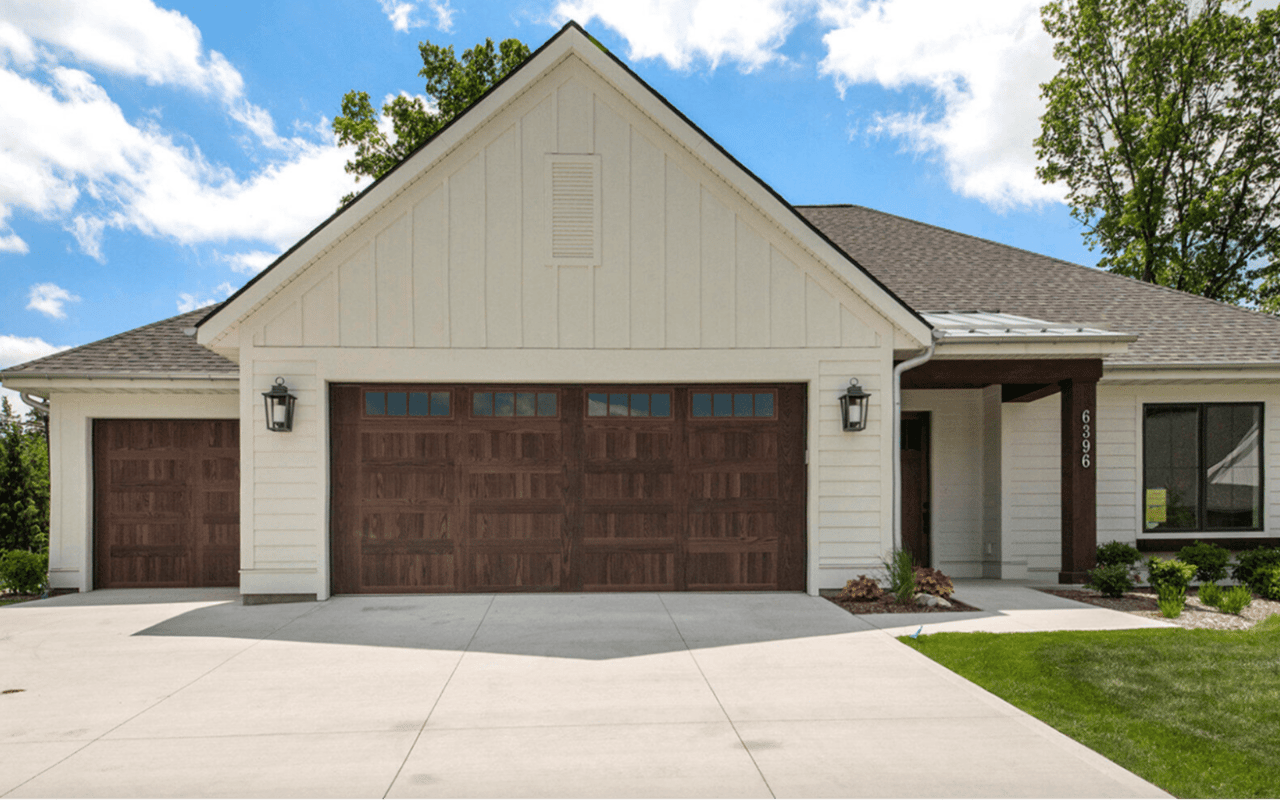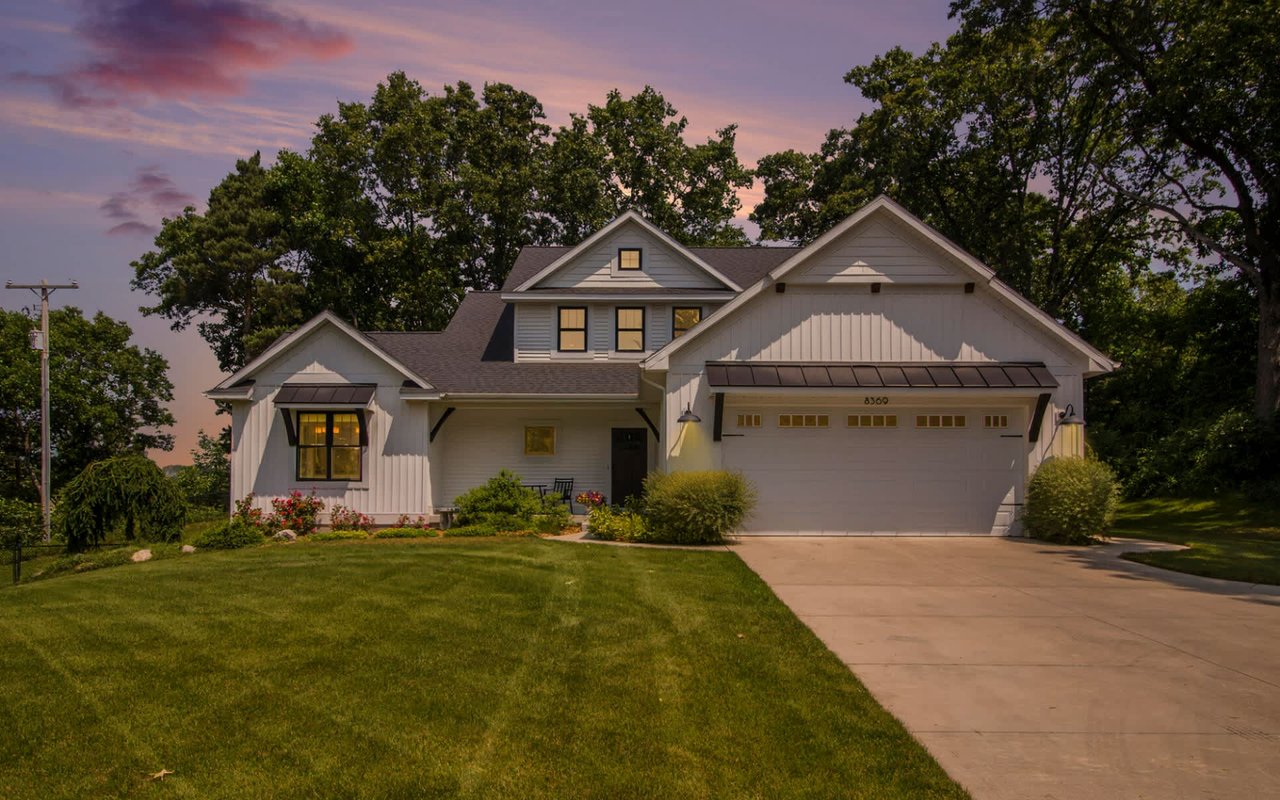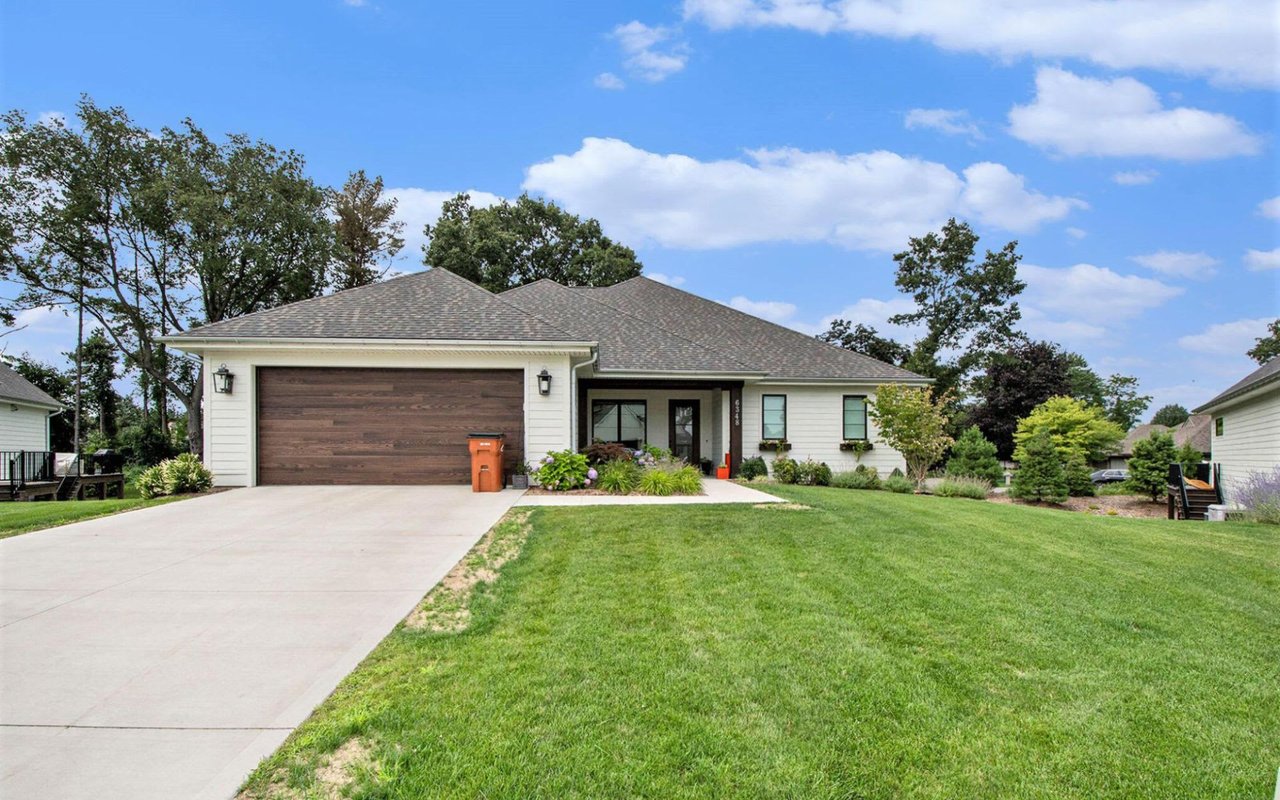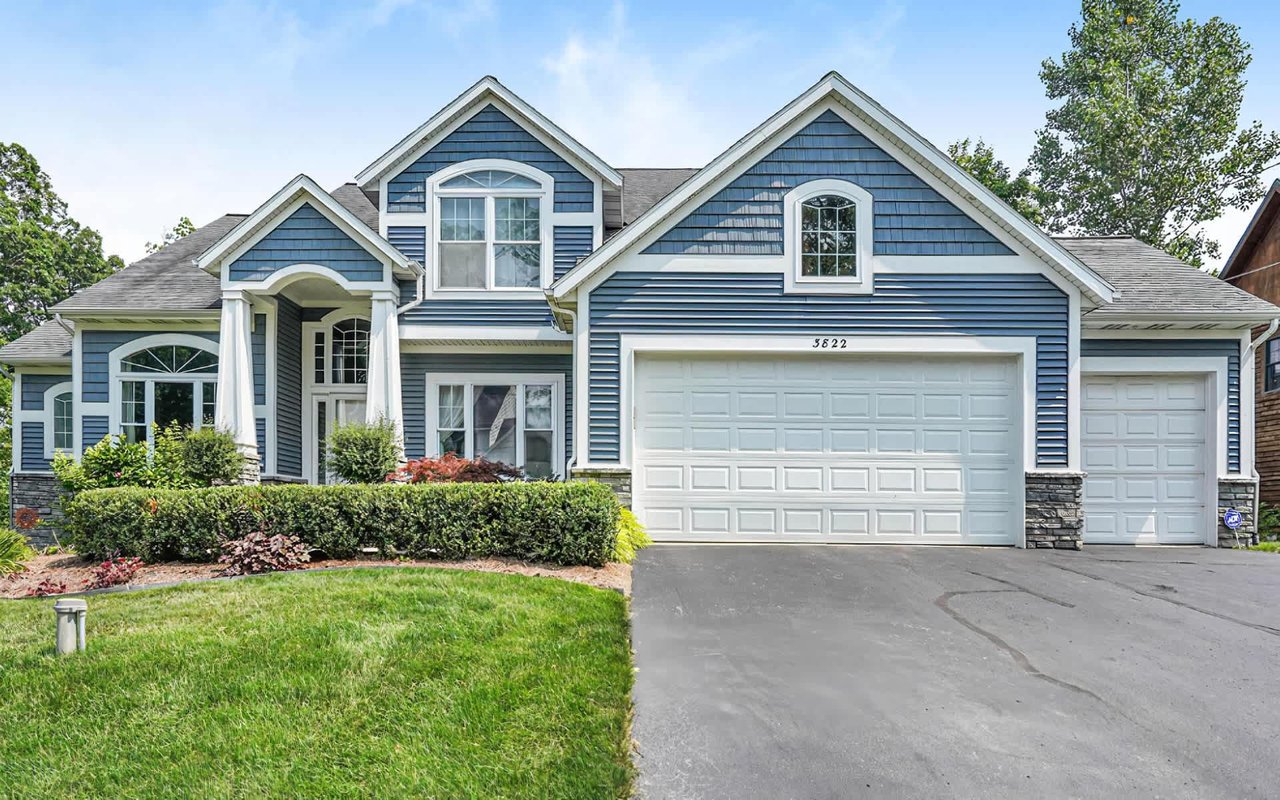
If you buy a home in one of the City of Saugatuck's capped residential districts, its short-term rental license is voided at closing. The booking calendar, the reviews, and the income figures in the listing all describe what the seller was allowed to do. Whether the buyer can rent the house by the night depends on a city process that opens a few licenses at a time and, when there are more applicants than openings, picks by random lottery.
That one rule sets Saugatuck apart from the two places that border it. Douglas and Saugatuck Township also cancel a rental permit when a property sells. In those two places the new owner reapplies and schedules an inspection. In the city's capped districts, the new owner has to wait for an opening.
What the Ordinance Says Happens at Sale
The city's short-term rental chapter covers any dwelling rented, or advertised for rent, for less than 31 consecutive days. Each one needs an annual license and inspection. The transfer rule sits in § 99.63 of the Saugatuck code, and it is blunt:
"Short-term rental licenses are non-transferable, and a short-term rental license issued under this chapter shall become void upon the attempted transfer of a license to a new owner or owners or the transfer of the short-term rental premises to a new owner or owners."
The same section counts more than a deed as a transfer. Selling an interest in the LLC or corporation that owns the house counts. So does changing the trustees or beneficiaries of a trust that holds it. Putting a lakeside cottage into an entity doesn't get around the rule, because the city looks through the entity to the people who own it.
Why a Voided License Is Different Inside the Cap
A voided license would only cost some paperwork if a new owner could apply for a fresh one. Across most of the city, that is still how it works. The city says it is still accepting applications in zoning districts that allow short-term rentals and aren't capped.
Six R-1 districts are capped:
| Capped R-1 District | Maximum Licenses |
|---|---|
| Community Residential | 67 |
| Peninsula West | 10 |
| Maple Street | 7 |
| Peninsula South | 11 |
| Peninsula North, Duneside | 3 |
| Peninsula North, Riverside | 2 |
When a district is at its cap, a license that has been voided or has expired can't simply be reissued. The city's short-term rental page says an owner whose license expires while a cap is in effect can't reapply until the number of active licenses in that district falls below the limit. At that point the owner goes through the city's selection process like any other applicant.
That selection process is laid out in the city's license notification and issuance policy, approved August 26, 2024. The city has to publish a notice of available licenses at least once a year, in a newspaper and on its website. The application window opens 14 to 90 days after the notice and stays open for 21 calendar days, from 8:30 a.m. on the first day to 5 p.m. on the last. If applications don't outnumber openings, the city processes them normally. If they do, it holds a public random lottery, district by district.
The policy doesn't set up a standing waitlist. The lottery can draw ranked alternates, and if openings are still left the city can hold a second lottery. After that comes a new notice and a new window. Nobody can put a name on a list after closing and wait their turn.
The most recent round shows how few openings there are. The city's notice dated January 29, 2026 offered three licenses in Peninsula South and two in Peninsula North Riverside, and said applications from any other district would be rejected. The window ran from February 13 to March 6, 2026. The notice also says applications received outside that window "by any increment of time will not be considered, regardless of the reason." In that round, the 67-license Community Residential district had no openings at all.
For scale, 92.7 The Van reported in February 2026 that the city had "over 250" short-term rentals. The capped districts add up to 100 licenses. A home's rental history is the same paperwork in either part of town, but it means something very different depending on which side of a zoning line the house sits.
Who Keeps a License Through a Change in Ownership
Section 99.63 allows a narrow set of transfers. Each one needs a transfer application approved by the city's enforcing officer before it happens. The test the ordinance applies is whether the change alters the form of ownership or shuffles interests among existing owners without adding anyone new.
Transfers that can qualify:
- Moving the property into a corporate entity owned and controlled only by all of the current owners
- Moving it into a trust that is controlled by, and benefits, only the current owners
- Moving it out of a trust or corporation to individuals who are already its owners, members, settlors, trustees, or beneficiaries
- Transferring a home owned by a married couple to the surviving spouse when one spouse dies
- Removing a trust beneficiary, or reallocating or removing members of a corporation that owns the property
The general prohibition is the line that matters in a sale. No transfer is allowed that gives any interest to "a third party who does not have an existing interest" in the license or the property. Being related to the seller isn't on the list. The question is whether the person already holds an interest. An owner can ask for a written waiver for other transfers, but the request has to show the same thing, a change in form or a reallocation without new interests. The enforcing officer's decision is final.
Some of these exceptions came from changes the city council approved on April 14, 2025. WHTC reported that the changes added a way to process late applications and grandfathered certificates that a transfer of interest would otherwise have voided. They also required owners to submit proof of corporate or trust ownership every year and allowed limited ownership transfers.
One Mile Over, Same Rule, Lower Stakes
Buyers looking at the Saugatuck area often consider all three jurisdictions. All three cancel the permit at sale. What changes is how hard it is to get a new one.
| City of Saugatuck | City of the Village of Douglas | Saugatuck Township | |
|---|---|---|---|
| Short-term stay defined as | Under 31 days | Under 31 days | Under 28 days |
| Permit at sale | Void, with narrow exceptions | "Null and void" | Void per 2026 process chart; ordinance text says renew within 30 days |
| Numerical cap | Six capped R-1 districts | None stated | None in provisions reviewed |
| Fee | $540 a year | $375 registration | $550 initial inspection |
| Term | 1 year | Inspected at least every 36 months | 3 years |
| Reinspection | $175 | $175 | $200 |
Douglas's short-term rental packet allows short-term rentals in every zoning district where residential use is permitted by right or approved as a special land use. It says any sale or transfer automatically makes the existing certificate "null and void," and the new owner has to apply for a new one. Douglas's Planning Commission put a short-term rental ordinance item on its April 9, 2026 agenda as "Discussion Only," after agreeing in March to schedule a workshop. The materials reviewed for this post don't show an adoption vote.
The Township's two documents read differently. Its 2026 rental process chart says the certificate "becomes void" on a sale and the new owner submits a new application and fee. The codified rental ordinance says permits must be renewed "within 30 days of sale or transfer of ownership." Either way, the new owner files paperwork and goes through an inspection. There's no lottery involved.
Even Current Owners Can Lose a Capped License
Inside the cap, letting a license expire has the same effect as a sale. The city says it won't send any reminder before a license expires, and it tells owners to check their own dates through the city's BS&A online portal.
On February 9, 2026, the council adopted Ordinance 260209-A. It took effect on publication, February 19. Under the amendment, renewal applications can be filed between 60 and 30 days before expiration, with a five-calendar-day late period, and a license keeps the same expiration date every year. It also lets the city waive a deadline when an owner proves extraordinary circumstances.
The council took up renewals again at its September 23, 2026 workshop. The draft in that meeting's packet would stretch the grace period so late renewals could be filed up to 30 days after a license expires. Staff also proposed replacing the flat $525 late penalty with $100 for each calendar day an application is late. In the same memo, staff cautioned against repeated amendments. It pointed out that the ordinance came out of a task force, public hearings, and findings that R-1 districts are "particularly susceptible" to the effects of short-term rentals. The city materials reviewed for this post don't show a final vote on that draft.
Lansing could also change things. House Bill 6026 would create a statewide short-term rental registry and a 6% excise tax, split between the host municipality and Pure Michigan, according to a Michigan House Democrats release on the bills. House Bill 6027 would allow local short-term rental rules as long as they don't amount to a total ban. Both were introduced June 2, 2026, and referred to the Government Operations committee.
Quick Answers
How do I know whether a house is in a capped district? The city publishes a zoning map on its short-term rental page, and the license record for each property is listed under the building department tab in the BS&A portal.
Does an accessory dwelling unit count toward the cap? No. The city says ADUs aren't counted toward the caps, but an ADU used as a short-term rental still needs its own license. Renting one separately from the main house requires special land use approval and an owner who lives on the property.
Is there a line I can join for the next opening? No. The policy relies on a published notice, a 21-day window, and, when demand is higher than supply, a lottery with alternates.
When we price or market a Saugatuck-area home, we pull the zoning district and the license record first. Sellers get a valuation based on what a buyer can actually do with the house, and buyers can see where the rental history stops at closing. If you'd like that checked for your property, Cheryl Grant Real Estate Team can start with a free home valuation that takes the license status into account.
This article is general information, not legal, tax or financial advice. Consult a qualified professional about your situation.